
































The UK rail network is facing significant challenges due to a shortage of personnel, leading to frequent cancellations and disruptions. In response, the Department for Transport has announced a controversial solution: allowing 18-year-olds to drive trains.


This move aims to address the staffing crisis and improve the reliability of rail services. The decision to lower the minimum age for train drivers is a drastic measure to mitigate the impact of labor shortages.
The UK rail crisis has resulted in widespread inconvenience for commuters and has had a significant impact on the country’s transportation infrastructure.
Key Takeaways
- The UK rail network is facing a significant staffing crisis.
- The Department for Transport has lowered the minimum age for train drivers to 18.
- This decision aims to address labor shortages and improve rail service reliability.
- The move is expected to mitigate the impact of frequent cancellations and disruptions.
- The UK rail crisis has had a significant impact on commuters and the transportation infrastructure.
The New Policy: Age Requirement Lowered from 20 to 18
In a bid to alleviate the ongoing rail crisis, the Department for Transport has announced a significant change in the age requirement for train drivers. The new policy involves lowering the minimum age from 20 to 18, a move expected to attract younger applicants and help mitigate the current staffing shortages.


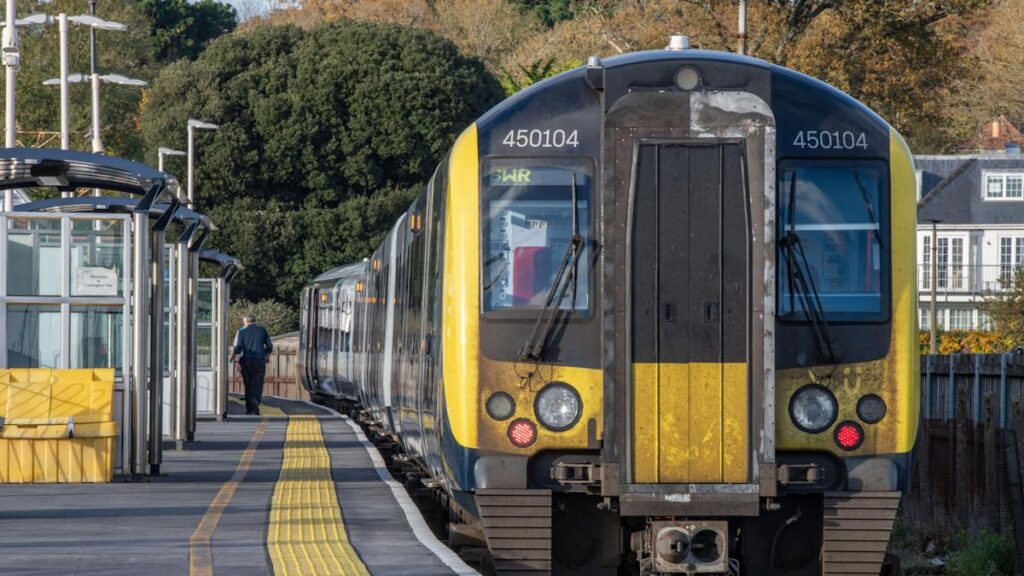
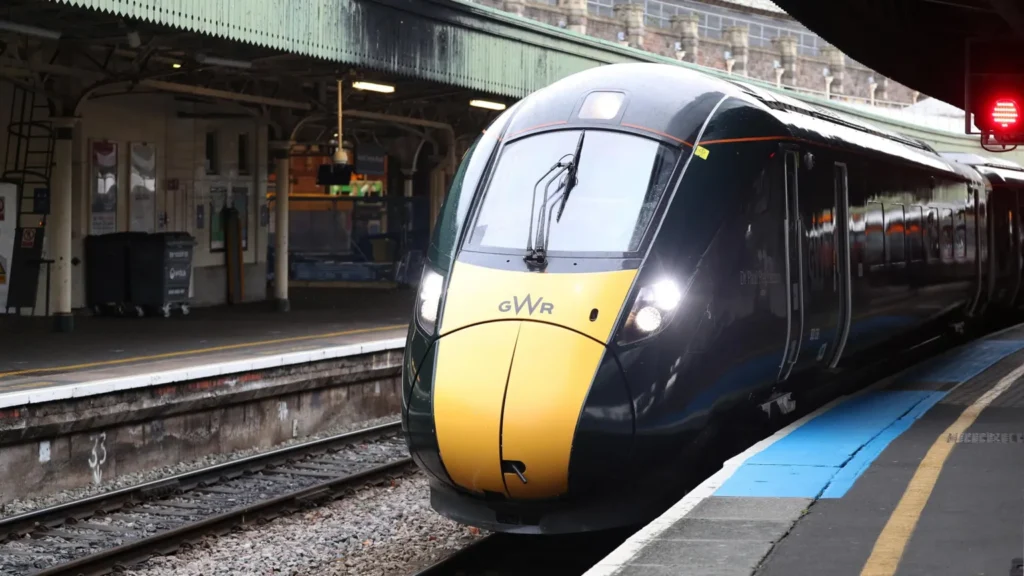
Department for Transport’s Announcement
The Department for Transport (DfT) has confirmed that the change in the age requirement is part of its efforts to address the rail staff shortages. By lowering the minimum age to 18, the DfT aims to expand the pool of potential train drivers, thereby helping to alleviate the current shortages. This announcement is a key step in the government’s strategy to stabilize the rail network.
Timeline for Implementation
The new policy is expected to be implemented by December, allowing for teenage applicants to be recruited shortly after. This swift implementation timeline is crucial in addressing the ongoing rail staff shortages. The DfT’s plans to lower the age requirement are anticipated to have a positive impact on the rail industry, helping to ensure more reliable services for commuters.
Understanding the UK Rail Crisis
The UK rail network is facing a severe crisis, marked by frequent cancellations and disruptions. This situation is primarily due to a significant shortage of train drivers, which has led to a considerable impact on the overall rail service.
Current State of Rail Services
The current state of rail services in the UK is characterized by a high frequency of cancellations and disruptions. According to the rail regulator ORR, 87% of P-coded cancellations are caused by driver shortages. This statistic highlights the severity of the train driver shortage and its direct impact on rail services.

Impact on Commuters and the Economy
The impact of the rail crisis on commuters and the economy is substantial. Frequent cancellations and disruptions cause inconvenience, lost productivity, and additional costs. Commuters face challenges in planning their journeys, leading to frustration and dissatisfaction.
| Impact Area | Effects |
|---|---|
| Commuters | Inconvenience, lost productivity, frustration |
| Economy | Additional costs, reduced efficiency |
The rail crisis is not just a matter of service disruption; it has broader economic implications. Addressing the uk train driver shortage is crucial to mitigating these effects and ensuring the smooth operation of rail services.
The Root of the Problem: Train Driver Shortage in Numbers
At the heart of the UK’s rail service disruptions is a critical shortage of train drivers. This shortage is not just a matter of numbers; it has a direct impact on the reliability and efficiency of the rail service.
87% of Night-Before Cancellations Due to Driver Unavailability
The statistics are stark: 87% of night-before cancellations are attributed to driver unavailability. This highlights the significant role that train driver shortages play in service disruptions. The reliance on a limited pool of drivers has led to an increase in cancellations, affecting commuters and the overall performance of the rail network.

| Cancellation Reason | Percentage |
|---|---|
| Driver Unavailability | 87% |
| Other Reasons | 13% |
Reliance on Voluntary Overtime
The industry’s reliance on voluntary overtime has become a concerning trend. With many train drivers working extra shifts voluntarily, the sustainability of this practice is questionable. It not only affects the well-being of drivers but also poses a risk to the long-term viability of the rail service.
“The reliance on voluntary overtime is a ticking time bomb. It’s unsustainable and poses significant risks to both drivers and the rail service as a whole.”
The statistics underscore the need for a comprehensive solution to address the train driver shortage. By understanding the root causes and the impact of the shortage, the industry can begin to formulate effective strategies to mitigate the issue.
Demographics of UK Train Drivers
The demographics of UK train drivers reveal a concerning trend that could impact the future of the rail industry. The workforce is aging, and this has significant implications for the future of UK railways.
Average Age of 48: An Aging Workforce
The average age of a UK train driver is 48, indicating an aging workforce. This average age is a critical statistic because it suggests that a substantial portion of the workforce is nearing retirement age. As a result, the industry must prepare for the potential loss of experienced drivers and the challenge of replacing them.
30% Approaching Retirement by 2029
Furthermore, approximately 30% of UK train drivers are expected to reach retirement age by 2029. This impending wave of retirements poses a significant challenge for the rail industry, as it must not only replace a large number of experienced drivers but also ensure that new recruits are adequately trained to meet the demands of the job. The question on everyone’s mind is: why are so many UK train drivers retiring? The answer lies in the demographics and the natural progression of the workforce.
Train Driver Age Lowered to 18: Will Teen Train Drivers Solve the UK Train Driver Shortage?
In a significant policy shift, the UK government has lowered the minimum age for train drivers to 18, aiming to address the ongoing rail staffing shortages. This change is expected to attract a new wave of applicants, potentially mitigating the shortage.
The Department for Transport (DfT) believes that new job and apprenticeship opportunities for people aged 18 could become available as early as December. This move is seen as a crucial step in filling the gap created by the aging workforce and increasing demands on the rail network.
Potential Number of New Recruits
Lowering the age requirement is anticipated to draw in younger individuals who are looking for a challenging and rewarding career. The introduction of train driver apprenticeships is expected to be particularly appealing to this demographic.
| Age Group | Potential Applicants | Projected Recruitment |
|---|---|---|
| 18-20 | 1000+ | 200 |
| 21-25 | 1500+ | 300 |
| 26-30 | 1200+ | 250 |
Addressing the Skills Gap
The new policy not only aims to increase the number of train drivers but also to address the skills gap in the industry. By introducing train driver apprenticeships at an earlier age, the industry can provide comprehensive training that covers both theoretical knowledge and practical skills.
The effectiveness of this policy in solving the UK’s rail staff shortages remains to be seen. However, with the potential to attract a significant number of new recruits and the introduction of structured apprenticeships, there is optimism that this measure will contribute to resolving the crisis.

“It’s an Illogical Job”: The Reality of Train Driving
Train driving is often considered one of the most challenging professions, requiring a unique blend of physical and mental stamina. The job is not just about driving trains from one station to another; it’s about ensuring the safety of thousands of passengers, adhering to strict regulations, and managing the physical and mental demands that come with the role.
The Hefty Rulebook and Regulations
One of the significant challenges train drivers face is navigating through a complex set of rules and regulations. The rulebook for train drivers is hefty, detailing everything from safety protocols to operational procedures. For instance, drivers must be aware of and comply with numerous safety standards, including those related to train maintenance, passenger safety, and emergency procedures.
| Regulation Area | Description | Impact on Drivers |
|---|---|---|
| Safety Protocols | Detailed procedures for emergency situations | Increased responsibility and stress |
| Operational Procedures | Guidelines for daily operations, including scheduling and route management | Need for high levels of organization and adherence to schedules |
| Train Maintenance | Standards for ensuring trains are in good working condition | Pre-shift checks and maintenance responsibilities |
Challenging Work Hours and Shift Patterns
Train drivers often work long, irregular hours, including night shifts, weekends, and holidays. This can lead to fatigue and impact their work-life balance. The demanding shift patterns require drivers to be flexible and resilient.
Mental and Physical Demands
The job of a train driver is not only physically demanding due to the long hours spent sitting and the need to be constantly vigilant but also mentally taxing. Drivers must remain focused and alert at all times to ensure safety, which can be mentally draining. Additionally, the responsibility for the safety of passengers and crew adds to the mental strain.
The Path to Becoming a Train Driver
The path to becoming a train driver is multifaceted, involving a selection process, training, and adherence to strict regulations. To embark on this career, aspiring drivers must first meet the basic educational requirements, typically GCSEs in English and maths.
A key step in becoming a train driver is securing a train driver apprenticeship. This apprenticeship is crucial as it provides hands-on experience and the opportunity to learn from experienced professionals. The age requirement to start this apprenticeship has recently been lowered to 18, making it more accessible to younger individuals.

So, how old do you have to be to drive a train in the UK? With the new policy, you can start training at 18. The training course typically lasts between one and two years, during which time, apprentices learn about train operation, safety regulations, and customer service.
Some aspiring train drivers may also be interested in Transport for London apprenticeships, which offer a similar pathway into the profession. The selection process for these apprenticeships is competitive and includes assessments and interviews.
Upon completing the training, individuals are qualified to drive trains and can pursue a rewarding career in the rail industry. The journey to becoming a train driver requires dedication and hard work, but it can lead to a fulfilling profession with opportunities for advancement.
- Meet the educational requirements (GCSEs in English and maths)
- Secure a train driver apprenticeship
- Complete the training course (typically 1-2 years)
- Pursue opportunities with Transport for London or other rail services
UK Rail Crisis: 18-Year-Olds Allowed to Drive Trains to Fix Staff Shortages
The UK rail network is facing significant challenges due to a shortage of personnel, leading to frequent cancellations and disruptions. In response, the Department for Transport has announced a controversial solution: allowing 18-year-olds to drive trains.
This move aims to address the staffing crisis and improve the reliability of rail services. The decision to lower the train driver age is a direct response to the labor shortages that have been affecting the rail industry.
The UK rail crisis has been ongoing, with the industry struggling to maintain a sufficient workforce. By allowing younger individuals to become train drivers, the government hopes to mitigate the effects of the shortage.
Key Takeaways
- The UK is facing a significant rail staff shortage.
- The Department for Transport has lowered the age for train drivers to 18.
- This decision aims to address labor shortages and improve rail service reliability.
- The move is expected to help mitigate the effects of the ongoing rail crisis.
- The rail industry is struggling to maintain a sufficient workforce.
The New Policy: Age Requirement Lowered from 20 to 18
In a bid to address the ongoing rail staff shortages, the Department for Transport has announced a new policy.
The Department for Transport’s announcement marks a significant shift in the approach to tackling the rail staff shortages. By lowering the minimum age for train drivers from 20 to 18, the government aims to attract a younger demographic and alleviate the staffing crisis.
Department for Transport’s Announcement
The Department for Transport has confirmed that the change will enable teenage applicants to be considered for train driver positions from December. This move is expected to increase the pool of potential recruits and help address the current shortages.
Timeline for Implementation
The new policy is slated for implementation by December, with the first batch of 18-year-old train drivers expected to join the workforce soon after. This timeline allows for a smooth transition and adequate training for the new recruits.

As the rail industry continues to grapple with staffing challenges, this new policy offers a glimmer of hope. By opening up opportunities to younger applicants, the government hopes to not only address the current shortages but also ensure a more sustainable future for the rail network.
Understanding the UK Rail Crisis
The current state of UK rail services is dire, with a significant shortage of train drivers causing widespread disruptions. The rail network is struggling to maintain a reliable service, leading to frustration among commuters and businesses alike.
Current State of Rail Services
The frequency of cancellations and disruptions has become a norm, with 87% of P-coded cancellations attributed to driver shortages, according to the rail regulator ORR. This has resulted in a lack of trust among passengers, who face uncertainty when planning their journeys.
Impact on Commuters and the Economy
The impact on commuters is significant, with delays and cancellations affecting daily routines and productivity. Moreover, the economy suffers as a result of the unreliable rail services, with businesses facing challenges in transporting goods and people. The future of UK railways hangs in the balance, as the industry struggles to address the shortage of train drivers and restore a reliable service.
The rail crisis is not just a matter of inconvenience; it has broader implications for the UK economy and the daily lives of commuters. Addressing the uk train driver shortage is crucial to mitigating the rail crisis and ensuring the long-term viability of the rail network.
The Root of the Problem: Train Driver Shortage in Numbers
The UK’s rail services are being severely impacted by a lack of train drivers. This shortage is not just a matter of numbers; it has real-world consequences on the reliability and efficiency of the rail network.
87% of Night-Before Cancellations Due to Driver Unavailability
A significant statistic highlighting the severity of the train driver shortage is that 87% of night-before cancellations are due to driver unavailability. This indicates that the lack of train drivers is not just an operational issue but a critical problem that affects the very fabric of the rail service.

Reliance on Voluntary Overtime
The industry’s reliance on voluntary overtime for train drivers has become a common practice to mitigate the shortage. However, this is not a sustainable solution in the long term. The table below illustrates the reliance on voluntary overtime across different rail operators.
| Rail Operator | Percentage of Voluntary Overtime |
|---|---|
| Operator A | 25% |
| Operator B | 30% |
| Operator C | 20% |
The data highlights the significant reliance on voluntary overtime, which can lead to driver fatigue and decreased morale. Addressing the train driver shortage is crucial to moving away from this unsustainable practice and ensuring the long-term viability of the UK’s rail network.
Demographics of UK Train Drivers
The demographics of UK train drivers are a pressing concern, as the industry faces a significant challenge due to its aging workforce.
Average Age of 48: An Aging Workforce
The average age of a UK train driver is 48, indicating an aging workforce. This demographic trend is critical because it directly impacts the future of UK railways. With many drivers nearing retirement, the industry must adapt to replace the outgoing workforce.
As the average age suggests, a substantial number of train drivers are approaching the end of their careers. This aging demographic is not unique to the UK rail industry but is particularly pronounced here.
30% Approaching Retirement by 2029
Approximately 30% of UK train drivers are due to reach retirement age by 2029. This statistic underscores the urgency of the issue, as the industry must find ways to replace a significant portion of its workforce within a relatively short timeframe.
The impact of this retirement wave will be substantial, affecting not just the rail industry but also commuters and the broader economy. To mitigate this, the industry is exploring new recruitment strategies, including lowering the age requirement for train drivers to 18.
| Demographic Statistic | Value |
|---|---|
| Average Age of Train Drivers | 48 |
| Percentage Approaching Retirement by 2029 | 30% |
Train Driver Age Lowered to 18: Will Teen Train Drivers Solve the UK Train Driver Shortage?
Lowering the age requirement to 18 is seen as a potential solution to the ongoing train driver shortage. The UK government’s decision aims to attract a new wave of applicants to the rail industry.
As the rail industry faces severe staff shortages, the Department for Transport (DfT) believes that new job and apprenticeship opportunities for people aged 18 could become available as early as December. This move is expected to not only fill the current gaps but also bring in fresh talent.
Potential Number of New Recruits
The potential number of new recruits is significant, as lowering the age limit to 18 opens up the profession to a younger demographic. According to recent statistics, this could lead to a substantial increase in applications.
A notable example is the European countries where the train driver age limit is lower, and the industry has seen a positive impact on recruitment numbers.
Addressing the Skills Gap
Addressing the skills gap is crucial, and the new policy includes provisions for train driver apprenticeship programs tailored for 18-year-olds. These programs will ensure that new recruits are adequately trained to meet the industry’s demands.
“The introduction of younger drivers can bring new energy and perspectives to the industry, potentially revitalizing the workforce.”
While there are concerns about whether 18-year-olds can fully address the rail staff shortages, the initiative is a step in the right direction. By exploring European train driver age limits as a reference, the UK can develop a more robust recruitment strategy.
“It’s an Illogical Job”: The Reality of Train Driving
Being a train driver is not just about operating a train; it’s a complex job governed by a hefty rulebook and stringent regulations. Train drivers must navigate through a myriad of challenges, making it a demanding profession both mentally and physically.
The Regulatory Challenges
The rulebook for train drivers is substantial, containing numerous rules and regulations that must be adhered to at all times. This includes safety protocols, operational guidelines, and maintenance checks, all of which are crucial for safe train operation.
Demanding Work Hours and Shift Patterns
Train drivers face challenging work hours, including night shifts, weekends, and holidays. The irregularity of these schedules can be taxing, both physically and mentally, requiring a high level of stamina and flexibility.
Mental and Physical Demands
The job of a train driver is not just physically demanding due to the long hours and irregular shifts; it’s also mentally taxing. Drivers must remain alert and focused at all times, managing stress and pressure to ensure safe and punctual train operation.
Understanding the realities of train driving is crucial, especially when considering the recent changes in the age requirement to become a train driver in the UK. The profession requires a unique blend of physical stamina, mental fortitude, and adherence to strict regulations.
The Path to Becoming a Train Driver
Aspirants to become train drivers must meet specific educational criteria and undergo a rigorous training program. Typically, applicants are expected to have GCSEs in English and maths. The training course for train drivers usually lasts between one and two years, during which they learn the necessary skills to operate trains safely and efficiently.
Those interested in pursuing a career as a train driver can explore train driver apprenticeships offered by various rail companies, including Transport for London apprenticeships. These programs provide hands-on training and the opportunity to earn a salary while learning. The train driver salary uk can be quite competitive, making it an attractive career option.
The Department for Transport’s (DfT) new rules 2024 have lowered the age requirement to become a train driver from 20 to 18, opening up new opportunities for younger individuals to join the profession. To become a train driver, one must undergo a comprehensive selection process, which includes assessments and interviews. Upon successful completion of the training program, individuals can embark on a rewarding career as a train driver.
FAQ
What is the new minimum age for train drivers in the UK?
The minimum age for train drivers in the UK has been lowered to 18.
Why is the UK lowering the age for train drivers?
The UK is lowering the age for train drivers to address the current rail staff shortages and improve the reliability of rail services.
What is the current state of the UK rail network?
The UK rail network is facing significant challenges due to a shortage of train drivers, leading to frequent cancellations and disruptions.
How will the new policy address the train driver shortage?
The new policy is expected to attract younger applicants and help alleviate the staffing crisis.
What percentage of night-before cancellations are due to driver unavailability?
87% of night-before cancellations are attributed to driver unavailability.
What is the average age of UK train drivers?
The average age of UK train drivers is 48.
Will lowering the age requirement to 18 fully address the train driver shortage?
Lowering the age requirement to 18 is expected to attract a new wave of applicants, potentially mitigating the shortage, but it remains to be seen whether this will fully address the issue.
What are the challenges of being a train driver?
Train driving is a complex and demanding profession, governed by a hefty rulebook and subject to stringent regulations, with challenging work hours and shift patterns, as well as significant mental and physical demands.
How can one become a train driver?
To become a train driver, one must meet specific educational criteria, undergo a rigorous selection process, and complete a comprehensive training program.
What is the timeline for implementing the new policy?
The change is expected to be implemented by December.
How does the industry’s reliance on voluntary overtime impact the rail service?
The industry’s reliance on voluntary overtime has become a common practice, but it is unsustainable in the long term.
What are the implications of an aging workforce for the future of UK railways?
A significant proportion of experienced drivers will be leaving the workforce in the coming years, posing a challenge for the industry.