






























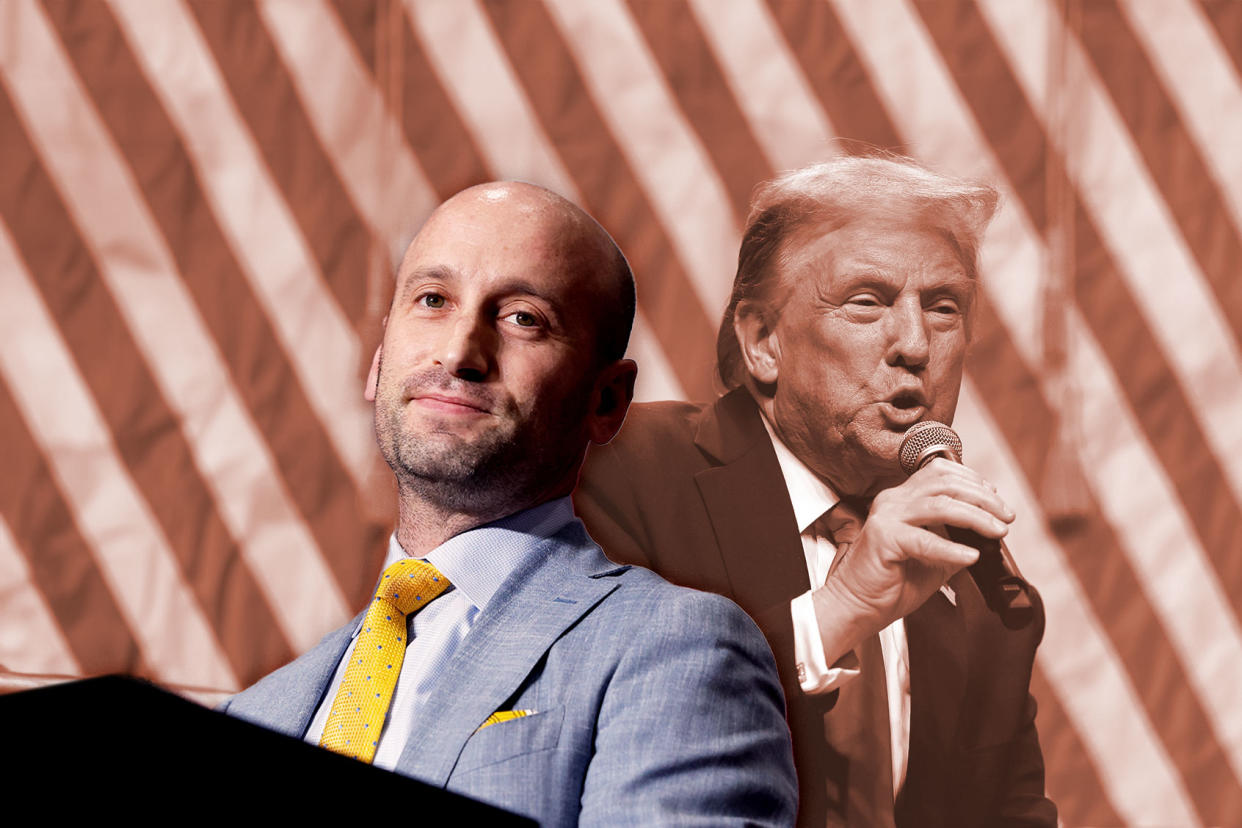
The Trump administration is reportedly considering a significant shift in its immigration policy by suspending habeas corpus, a fundamental legal principle. According to Stephen Miller, the administration is “actively looking at” this move as part of its broader crackdown on immigration.

This potential policy change has sparked controversy and raised concerns about the implications for due process and individual rights. The concept of habeas corpus is a cornerstone of legal systems, allowing individuals to challenge the legality of their detention.

The administration’s consideration of suspending this right has been met with alarm from various quarters, highlighting the need for a careful examination of the potential consequences.
Key Takeaways
- The Trump administration is considering suspending habeas corpus as part of its immigration crackdown.
- Stephen Miller confirmed that the administration is actively exploring this policy change.
- Habeas corpus is a fundamental legal principle allowing individuals to challenge their detention.
- The potential suspension has sparked controversy and raised concerns about due process.
- The move is part of the administration’s broader efforts to tighten immigration policies.
Stephen Miller’s Controversial Announcement
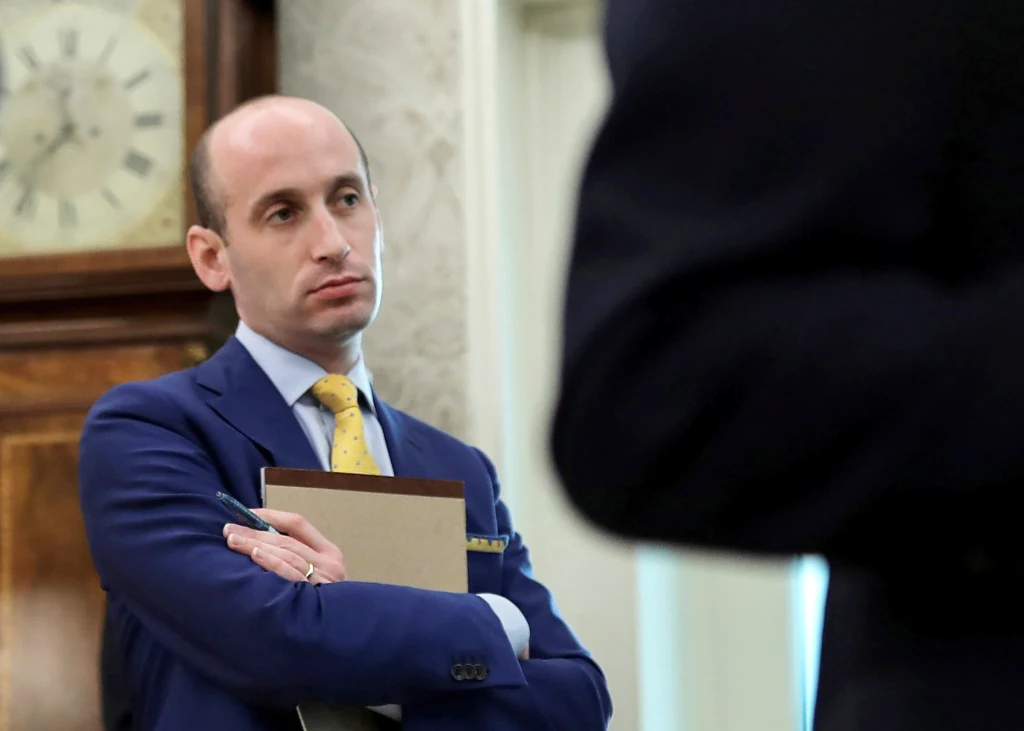
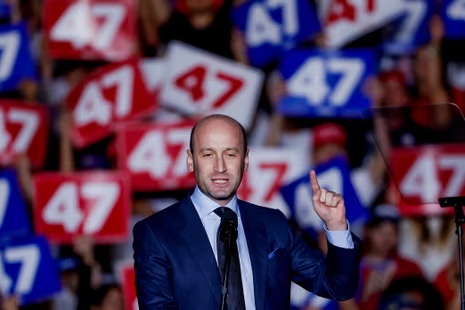
In a controversial announcement, Stephen Miller suggested that suspending habeas corpus could be a viable option in the current immigration crackdown. This statement was made during a White House briefing, where Miller outlined the administration’s stance on immigration policies.


White House Briefing Details
The White House briefing provided insight into the Trump administration’s thinking on immigration enforcement. Miller emphasized that the Constitution allows for the suspension of habeas corpus in times of invasion or rebellion. “The Constitution is clear on this matter,” Miller stated, referencing Article I, Section 9.
Miller’s Specific Statements on Immigration
Miller’s comments were centered around the idea that the current immigration situation could be classified as an “invasion,” thus potentially justifying the suspension of habeas corpus. He cited historical precedents where such measures were taken during times of national crisis.
Initial Media and Public Response
The reaction to Miller’s announcement was swift and divided. While some supported the administration’s tough stance on immigration, many civil rights organizations and legal experts expressed concern over the implications of suspending habeas corpus.
“Suspension of habeas corpus is a drastic measure that undermines fundamental human rights,” said a spokesperson for the ACLU.
The public response reflected a broader debate on immigration policy and the limits of executive power.
Understanding the Writ of Habeas Corpus
Understanding the writ of habeas corpus requires delving into its historical and legal significance. This fundamental right allows individuals to challenge the legality of their detention, ensuring that the power to detain is not abused.
Definition and Legal Function
The writ of habeas corpus is a legal remedy that enables an individual to report their detention or imprisonment to a court, prompting the detaining authority to justify the detention’s legality. It is a safeguard against arbitrary and unlawful detention, serving as a check on executive power.
The legal function of habeas corpus is to ensure that a person is not detained without due process. It requires that the detaining authority provide valid reasons and legal grounds for the detention, thereby protecting individuals from unlawful imprisonment.
Historical Origins in Common Law
The origins of habeas corpus date back to medieval England, where it was used to challenge the arbitrary detention of individuals by the Crown. The writ was a significant tool in the development of constitutional law, limiting the monarch’s power to detain subjects without trial.

Importance in American Jurisprudence
In the United States, habeas corpus is enshrined in the Constitution, reflecting its importance in protecting individual liberties. The writ has been used throughout American history to challenge detentions, particularly during times of crisis or war.
| Aspect | Description | Significance |
|---|---|---|
| Definition | A legal writ to challenge detention | Protects against arbitrary detention |
| Legal Function | Requires justification for detention | Ensures due process |
| Historical Origins | Medieval England, limiting Crown power | Development of constitutional law |
| Importance in US | Constitutionally protected | Safeguards individual liberties |
Constitutional Framework for Suspension
Understanding the constitutional framework for suspending habeas corpus requires a close examination of Article I, Section 9. This clause is fundamental to grasping the legal and historical context of habeas corpus suspension.
Article I, Section 9 Clause Analysis
The Constitution states, “The Privilege of the Writ of Habeas Corpus shall not be suspended, unless when in Cases of Rebellion or Invasion the public Safety may require it.” This provision is crucial as it sets the conditions under which habeas corpus can be suspended. It is essential to analyze the specific wording and its implications.
The “Invasion or Rebellion” Requirement
The phrase “Cases of Rebellion or Invasion” is a critical component of the clause. It implies that habeas corpus can only be suspended during significant crises that threaten public safety. The interpretation of “invasion” and “rebellion” has been subject to legal debate and historical analysis.
Congressional Authority vs. Executive Power
A significant aspect of the constitutional framework is the distribution of power between Congress and the Executive branch regarding the suspension of habeas corpus. The Constitution grants Congress the authority to suspend habeas corpus, but the extent of the Executive’s power in this matter remains a topic of contention.
| Entity | Authority | Conditions |
|---|---|---|
| Congress | Explicitly granted | Rebellion or Invasion |
| Executive | Debated | Public Safety Requirement |
The constitutional framework for suspending habeas corpus is complex and involves a delicate balance between legislative and executive powers. Understanding this framework is crucial for analyzing the implications of such a suspension.
Historical Precedents of Habeas Corpus Suspension
The suspension of habeas corpus is not a new concept in American history, having been implemented during significant national crises. This measure has been taken to address emergencies that threaten the nation’s security or stability.

Lincoln’s Civil War Emergency Measures
During the American Civil War, President Abraham Lincoln suspended habeas corpus to address the rebellion. This decision allowed for the detention of suspected Confederate sympathizers without trial. Lincoln’s actions were taken to ensure the safety of the Union and to counter the Confederate threat.
World War II and Japanese American Internment
Another significant instance of habeas corpus suspension occurred during World War II, particularly with the internment of Japanese Americans. The U.S. government’s actions were justified as necessary for national security, but they significantly impacted the civil liberties of those interned.
Post-9/11 Detention Policies and Court Challenges
Following the 9/11 attacks, the U.S. again faced challenges related to habeas corpus. The detention policies implemented during this time were challenged in court, notably in the case of Boumediene v. Bush (2008). This Supreme Court decision reaffirmed the importance of habeas corpus, even in the context of national security concerns.
The historical precedents demonstrate that the suspension of habeas corpus is often a contentious issue, pitting civil liberties against national security. Understanding these precedents is crucial for evaluating current and proposed policies regarding habeas corpus suspension.
Trump Administration ‘Looking At’ Suspending Habeas Corpus in Immigration Context
The Trump administration’s consideration of suspending habeas corpus has sparked intense debate across the United States. This move is part of the administration’s broader efforts to strengthen immigration enforcement.
Miller’s Constitutional Justification
Stephen Miller justified the consideration of suspending habeas corpus based on constitutional provisions that grant the executive branch certain powers during times of crisis. Miller’s statement implies that the administration views the current immigration situation as a significant challenge that may warrant such measures.
“The Constitution grants the executive branch the authority to take necessary actions to protect national security and public safety,” Miller said, emphasizing the importance of constitutional provisions in guiding the administration’s decisions.
White House Strategy Discussions
The White House is engaged in strategic discussions regarding the potential suspension of habeas corpus as part of its immigration enforcement strategy. These discussions involve various stakeholders, including legal advisors and policy makers.
- Review of current immigration laws and their limitations
- Assessment of the potential impact on national security
- Consideration of the constitutional implications
Timeline of Policy Consideration
The timeline for considering the suspension of habeas corpus is not fixed and is subject to ongoing deliberations within the administration. Key milestones include:
- Initial discussions and review of constitutional provisions
- Consultation with legal experts and stakeholders
- Potential policy announcements and implementation
The administration’s consideration of suspending habeas corpus is a complex issue that involves balancing national security concerns with individual rights. As the debate continues, it is crucial to examine the potential implications of such a move.
Current Immigration Enforcement Practices
The current state of immigration enforcement is marked by controversy and legal challenges. The Trump administration’s policies have led to a significant overhaul of how immigration cases are handled, particularly in terms of detention and deportation.
Detention Center Conditions and Policies
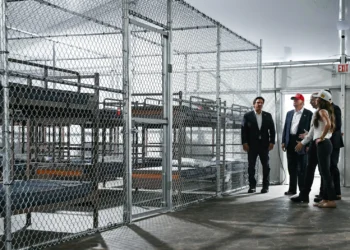
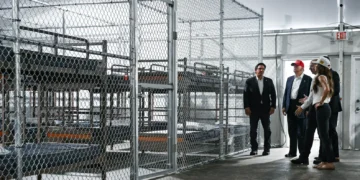
Detention centers have come under scrutiny for their conditions and treatment of detainees. Reports of overcrowding, inadequate medical care, and poor sanitation have raised concerns about the humane treatment of migrants. For instance, facilities along the southern border have been criticized for holding detainees in cramped conditions with insufficient access to basic necessities.

Current Legal Challenges by Detainees
Detainees and advocacy groups have launched numerous legal challenges against the administration’s detention policies. These challenges often cite violations of due process rights and inhumane treatment. The courts have played a crucial role in shaping the legal landscape of immigration enforcement, with some decisions limiting the administration’s ability to detain migrants indefinitely.
How Habeas Corpus Currently Applies to Immigration Cases
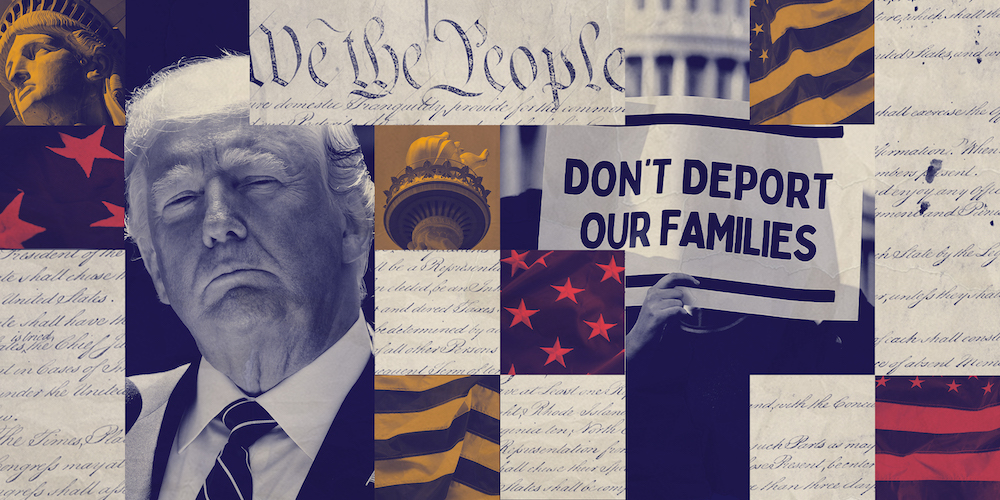
Habeas corpus, a fundamental principle of American jurisprudence, allows individuals to challenge the legality of their detention. In immigration cases, habeas corpus petitions have been used to contest the grounds for detention and to seek release from custody. The suspension of habeas corpus would significantly impact migrants, potentially allowing for indefinite detention without judicial review. This raises serious concerns about due process rights immigration and the potential for abuse of power.
The implications of suspending habeas corpus in the context of immigration enforcement are profound. It could lead to a significant erosion of due process rights immigration and potentially affect migrants’ ability to challenge their detention. Understanding the current practices and legal frameworks is crucial in assessing the potential impacts of such a suspension.
Legal Experts Respond to Potential Suspension
Legal experts are weighing in on the implications of suspending habeas corpus in the context of immigration enforcement. The proposal has significant constitutional and legal ramifications that are being closely examined.
Constitutional Scholars’ Analyses
Constitutional scholars have expressed concerns about the potential suspension, citing the historical significance of habeas corpus in American jurisprudence. They argue that suspending habeas corpus would undermine the fundamental principles of due process and the rule of law. The Constitution allows for the suspension of habeas corpus only in cases of rebellion or invasion, making the current proposal potentially unconstitutional.
Immigration Attorneys’ Perspectives
Immigration attorneys have highlighted the practical implications of suspending habeas corpus for individuals detained under immigration laws. They argue that it would deny detainees the right to challenge their detention in court, potentially leading to indefinite detention without trial. This could result in significant human rights abuses and undermine the integrity of the immigration system.
Judicial Branch Considerations
The judicial branch is likely to play a crucial role in determining the constitutionality of suspending habeas corpus. Legal experts anticipate that any attempt to suspend habeas corpus would face immediate legal challenges, potentially leading to a Supreme Court decision.
The Court’s precedent on habeas corpus suggests that it would scrutinize any attempt to suspend this fundamental right.
Political Reactions Across the Spectrum
The Trump administration’s consideration of suspending habeas corpus has sparked a wide range of reactions across the political spectrum. This move, championed by Stephen Miller, has raised significant concerns among various political actors.
Congressional Response by Party
Congressional reactions have been largely divided along party lines. Democrats have expressed strong opposition, citing concerns about civil liberties and the potential for abuse of power. In contrast, some Republicans have supported the move as a necessary measure for national security.
- Democratic lawmakers have called the move “unconstitutional” and “a threat to American values.”
- Republican supporters argue it is a necessary step to address immigration issues.
Civil Rights Organizations’ Statements
Civil rights organizations have been vocal in their opposition to the potential suspension of habeas corpus. Groups such as the ACLU have issued strong statements condemning the move.
“Suspension of habeas corpus would be a catastrophic blow to civil liberties in the United States,” said an ACLU spokesperson.
International Reactions and Concerns
The international community has also taken notice, with concerns being raised by human rights organizations and foreign governments. The potential suspension is seen as a significant step back for human rights in the United States.

The varied reactions highlight the complexity and sensitivity of the issue, with implications both domestically and internationally.
Can Immigration Be Legally Classified as an “Invasion”?
The notion that immigration could be considered an “invasion” is a complex issue that warrants a detailed examination of legal definitions and historical interpretations. This classification is crucial because it directly impacts the potential suspension of habeas corpus, a fundamental right protected by the Constitution.
Legal Definitions and Historical Interpretations
The term “invasion” has been interpreted in various ways throughout history. Legally, it refers to a situation where a foreign entity enters a country’s territory, potentially threatening its sovereignty or security. Historically, the concept has evolved to encompass not just military incursions but also other forms of unauthorized entry.
Supreme Court Precedents on Immigration Status
The Supreme Court has addressed immigration status in several landmark cases, providing insights into how immigration might be viewed in relation to “invasion.” For instance, in Korematsu v. United States (1944), the Court dealt with the internment of Japanese Americans during World War II, touching upon issues of national security and individual rights.
Comparative Analysis with Past National Security Situations
A comparative analysis with past national security situations can provide context. The following table summarizes key differences and similarities:
| Situation | Legal Basis | National Security Implication |
|---|---|---|
| Immigration as Invasion | Constitutional Provision | Potential Threat to Sovereignty |
| Historical Invasions | Historical Precedents | Actual Military Incursion |
| Post-9/11 Detention | Patriot Act | Enhanced Surveillance and Detention |
Understanding these comparisons is essential to determining whether immigration can be legally classified as an “invasion.” The legal and historical contexts provide a framework for analyzing the current situation.
Conclusion: Constitutional Implications and Future Outlook
The Trump administration’s consideration of suspending habeas corpus has significant constitutional implications. If implemented, it would mark a substantial shift in the balance of power between the executive and judicial branches. The potential suspension of habeas corpus raises concerns about the treatment of detainees in immigration cases and the broader impact on due process.
The Trump administration ‘looking at’ suspending habeas corpus is a move that could have far-reaching consequences. It is crucial to understand the historical context and legal framework surrounding habeas corpus suspension. The constitutional implications of such a move are profound, potentially altering the way the U.S. government handles immigration enforcement.
As the debate surrounding habeas corpus suspension continues, it is essential to consider the future outlook. The potential consequences of such a policy change could be significant, affecting not only immigration policies but also the fundamental rights of individuals. The ongoing discussions and legal challenges will shape the future of habeas corpus in the United States.
FAQ
What is habeas corpus and why is it important?
Habeas corpus is a writ that requires a person to be brought before a court to determine if their detention is lawful. It is a fundamental right that protects individuals from arbitrary and unlawful detention, ensuring that the government does not detain people without due process.
Can habeas corpus be suspended, and if so, under what circumstances?
Yes, habeas corpus can be suspended in times of “rebellion or invasion” when the public safety requires it, as stated in Article I, Section 9 of the US Constitution. However, the definition and application of these terms are subject to interpretation and controversy.
What did Stephen Miller say about suspending habeas corpus?
Stephen Miller announced that the Trump administration is “actively looking at” suspending habeas corpus in the context of its immigration policies, citing the Constitution’s provision for suspension in times of crisis.
Has the US ever suspended habeas corpus before?
Yes, the US has suspended habeas corpus during times of war and national crisis, such as during the Civil War under President Lincoln and post-9/11. These suspensions have been subject to controversy and legal challenges.
What are the implications of suspending habeas corpus for migrants?
Suspending habeas corpus could allow for the detention of migrants without judicial review, potentially leading to prolonged detention without due process, and raising concerns about the treatment and rights of detainees.
What is the role of Congress in suspending habeas corpus?
According to the Constitution, Congress has the authority to suspend habeas corpus. However, the extent to which the Executive branch can act independently in this matter is a subject of debate and controversy.
How would suspending habeas corpus affect due process rights in immigration cases?
Suspending habeas corpus could significantly impact due process rights in immigration cases, potentially allowing for detention and deportation without adequate judicial review or oversight.
What are the potential legal challenges to suspending habeas corpus?
Legal challenges to suspending habeas corpus could include arguments that the suspension is unconstitutional, that the conditions for suspension are not met, or that the suspension violates international human rights law.
How have civil rights organizations and the international community reacted to the Trump administration’s consideration of suspending habeas corpus?
Civil rights organizations and the international community have expressed significant concerns and opposition to the Trump administration’s consideration of suspending habeas corpus, citing the potential for human rights abuses and the erosion of due process.
Can immigration be considered an “invasion” under the Constitution?
The question of whether immigration can be considered an “invasion” is a matter of legal interpretation and debate. Some argue that it could be considered an invasion if it poses a significant threat to national security or public safety.