




























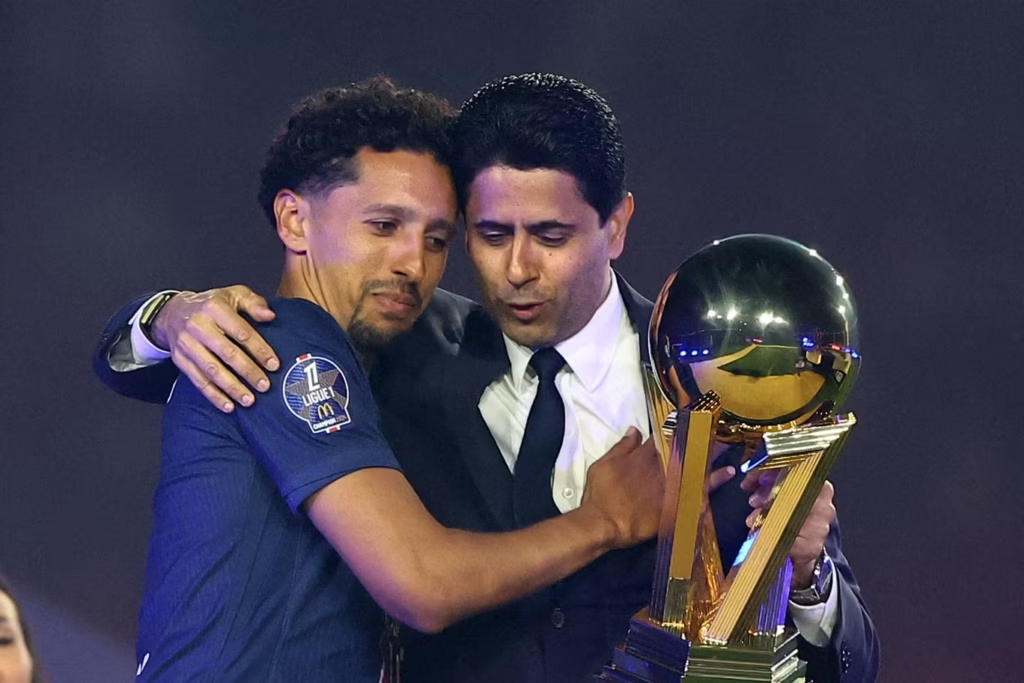
The historic win of PSG in the 2025 Champions League final against Inter Milan marks a significant milestone for the club and its Qatari owners. This triumph is a testament to the vision and leadership of Nasser Al-Khelaifi, as well as Qatar’s ambitious strategy in football.


As PSG celebrates its victory, the implications for European football are substantial, with Qatar’s influence growing through its sports investments. The win highlights the impact of Qatari investments on the football landscape.
Key Takeaways
- The 2025 Champions League final victory signifies a new era for PSG and its Qatari backers.
- Nasser Al-Khelaifi’s leadership has been instrumental in shaping the club’s success.
- Qatar’s investments are reshaping the future of European football.
- The win against Inter Milan demonstrates the strength of PSG’s team.
- Qatari influence in football is expected to continue growing.


The Historic Victory: PSG Crowned Champions of Europe
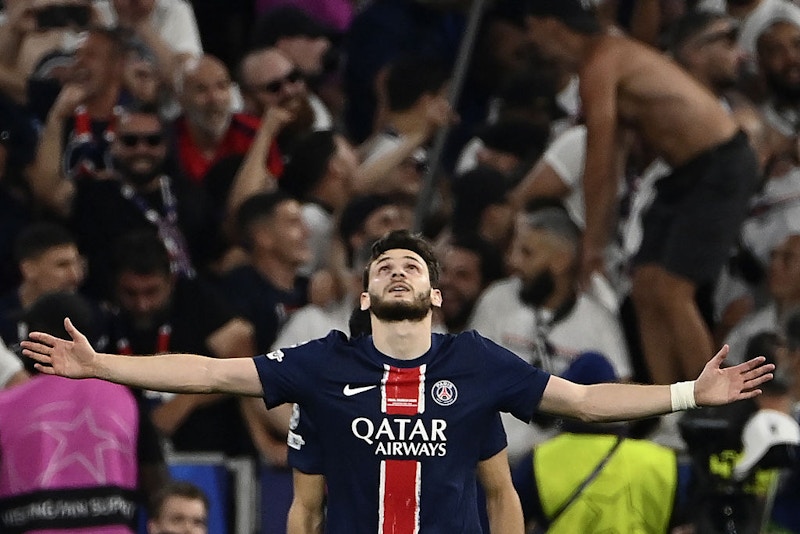
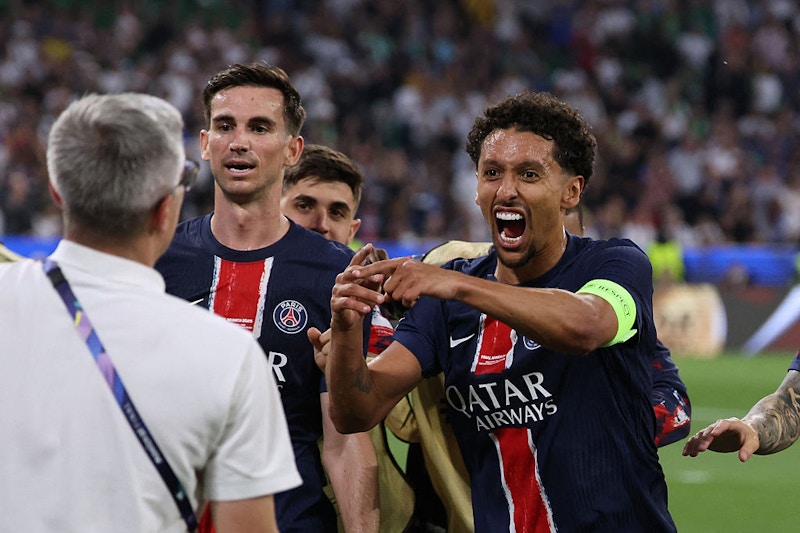
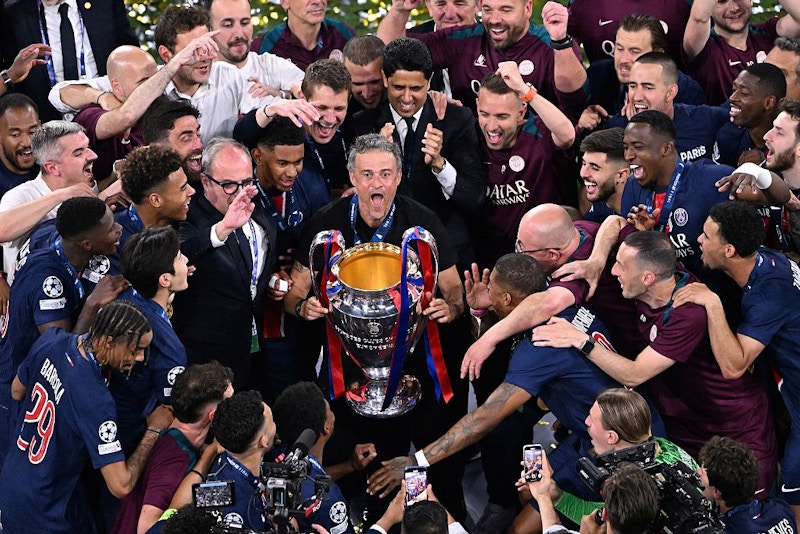
In a historic night for French football, PSG clinched their first UEFA Champions League title by defeating Inter Milan in the 2025 final. The match, held at Munich’s Allianz Arena, was a testament to PSG’s growing prowess in European competitions.
Match Analysis: PSG vs Inter Milan UCL Final2025
The 2025 UEFA Champions League final was a thrilling encounter that showcased the best of European football. PSG’s victory was a result of their exceptional teamwork and strategy, with key players delivering outstanding performances.
- Key Player Performances: Kylian Mbappé scored a hat-trick, while Achraf Hakimi provided two crucial assists.
- Tactical Brilliance: PSG’s coach implemented a successful game plan, adapting to Inter Milan’s strategy and exploiting their weaknesses.
- Defensive Solidity: PSG’s defense, marshaled by Marquinhos and Sergio Ramos, kept a clean sheet against a potent Inter Milan attack.
The Celebration: Paris Erupts in Joy
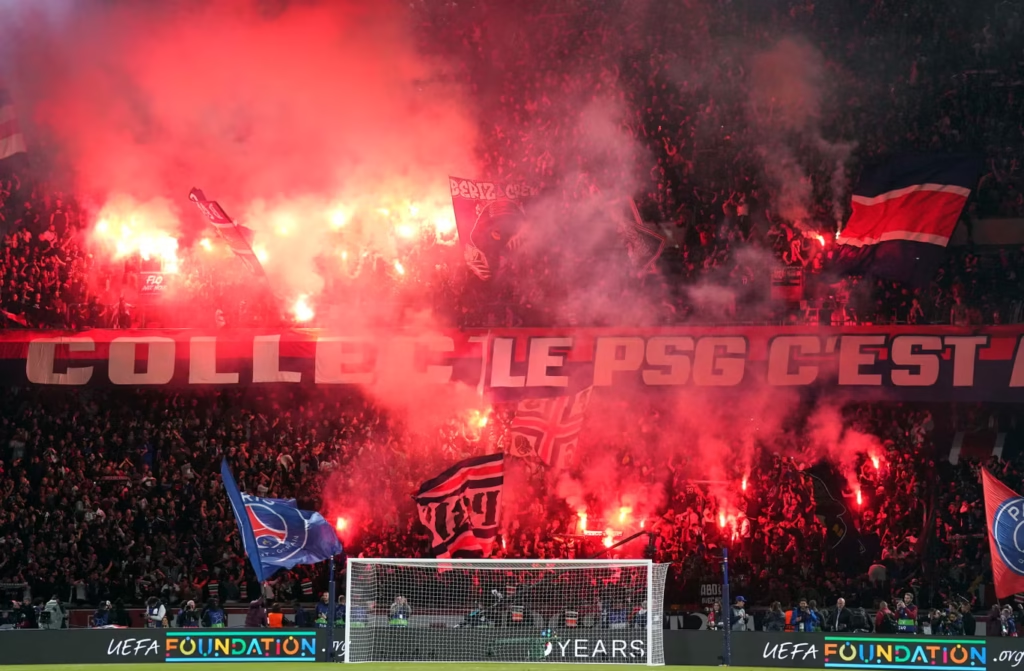
The win sparked widespread celebrations in Paris, with fans erupting in joy. The streets were filled with supporters clad in PSG’s colors, waving flags and banners.
“This is a moment we’ve been waiting for years. The team’s dedication and hard work have paid off, and we’re proud to be the champions of Europe!” – Nasser Al-Khelaifi, PSG President
The victory parade was attended by thousands of fans, and the team’s players were hailed as heroes. The celebration was a testament to the team’s connection with their supporters and the impact of their achievement on French football.
Qatar’s 14-Year Journey to European Glory
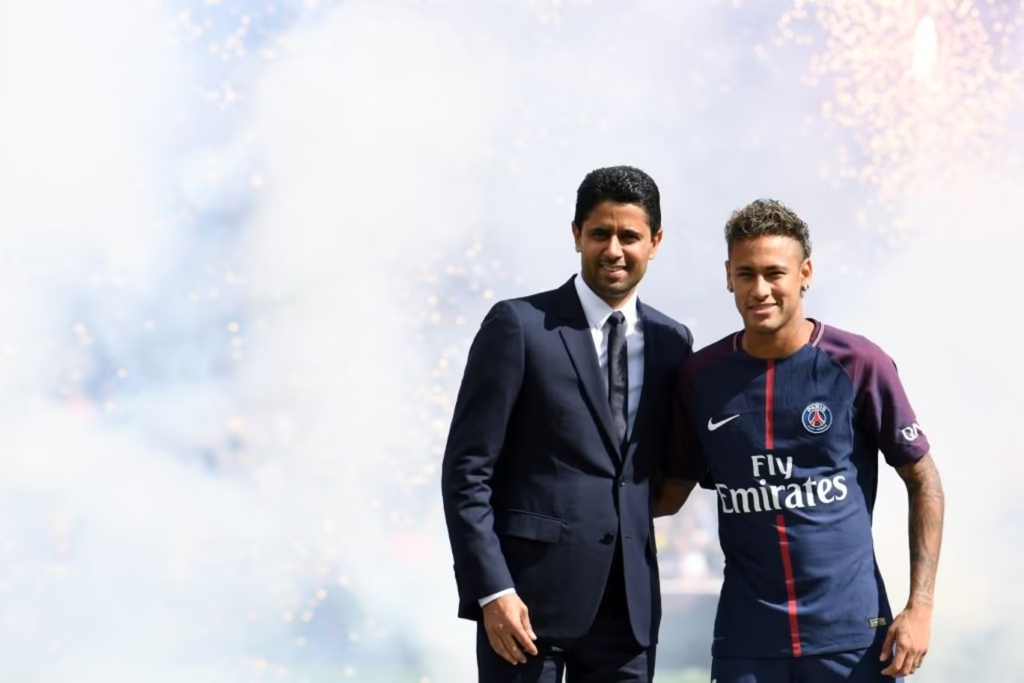
With the acquisition of PSG in 2011, Qatar Sports Investments (QSI) laid the foundation for a European football powerhouse. This strategic move marked the beginning of Qatar’s ambitious journey into the world of European football.
The takeover by QSI was not just a simple change in ownership; it was a comprehensive plan to elevate PSG to the pinnacle of European football. The investment was substantial, with a focus on building a strong team, improving infrastructure, and expanding the club’s global reach.
From Acquisition to Ambition
The QSI takeover was a turning point for PSG, transforming the club into a force to be reckoned with in European football. The investment strategy was multifaceted, focusing on:
- Building a competitive squad with top talent
- Enhancing the club’s infrastructure, including training facilities and the stadium
- Expanding the club’s global fan base through strategic marketing and outreach
This ambitious plan was backed by significant financial investment, demonstrating Qatar’s commitment to achieving European football glory.
Billion-Dollar Investment Strategy Pays Off
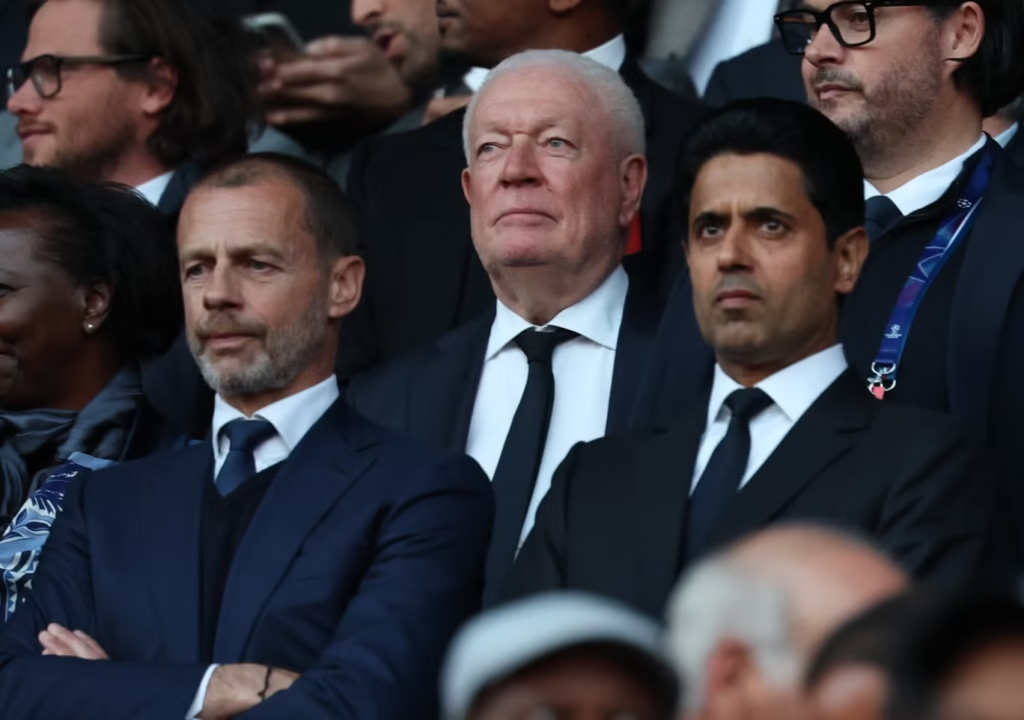
The results of Qatar’s billion-dollar investment strategy are evident in PSG’s recent Champions League win. The club’s success is a testament to the effectiveness of QSI’s approach, which has not only elevated PSG but also contributed to the growth of Qatar’s football empire.
The impact of this investment can be seen in various aspects of the club, from its strengthened squad to its enhanced global presence. Here is a breakdown of the key areas where the investment has made a significant difference:
| Area of Investment | Pre-Investment Status | Post-Investment Status |
|---|---|---|
| Squad Strength | Limited top talent | World-class players |
| Infrastructure | Adequate facilities | State-of-the-art training facilities and stadium |
| Global Reach | Primarily French fan base | Global fan base with significant international presence |
The success of PSG under QSI’s ownership is a shining example of Qatar’s football investments paying off. The club’s Champions League victory is not just a triumph for PSG but also a milestone in Qatar’s journey to establish itself as a major player in European football.
As we reflect on Qatar’s 14-year journey, it’s clear that the investment in PSG has been a strategic move towards achieving European glory. The future looks bright for both PSG and Qatar’s football ambitions.
PSG Champions League Final2025 Nasser Al-Khelaifi UEFA Qatar Football Investment Success Story
Under Nasser Al-Khelaifi’s guidance, PSG has transformed into a dominant force in European football, culminating in their 2025 Champions League win. This achievement is a testament to Al-Khelaifi’s visionary leadership and strategic investment in the club.
Al-Khelaifi’s Vision and Leadership
Nasser Al-Khelaifi’s leadership has been instrumental in PSG’s success. His ability to attract top talent and invest in infrastructure has transformed the club into a competitive force in European football. As Al-Khelaifi noted, “Our strategy has always been to build a team that can compete at the highest level, and our 2025 Champions League victory is a validation of that approach.”
“The key to our success has been our ability to balance sporting ambition with commercial acumen.”
Al-Khelaifi’s influence extends beyond PSG, with significant involvement in UEFA and other football governance bodies. His role in shaping European football’s future is undeniable, as he continues to push for reforms that benefit clubs and fans alike.
Overcoming Previous European Disappointments
PSG’s journey to European glory has not been without its challenges. The club has faced numerous disappointments in previous Champions League campaigns. However, under Al-Khelaifi’s leadership, PSG has persevered and invested heavily in building a competitive squad.
The 2025 Champions League victory marked a significant milestone for the club, demonstrating that their persistent efforts and strategic planning had paid off. As Al-Khelaifi stated, “We have always believed in our project, and this victory is a testament to the hard work and dedication of our players, staff, and fans.”
Al-Khelaifi’s success with PSG has also been recognized by UEFA, further solidifying his influence in European football governance. His contributions to the sport have been pivotal in shaping the future of club competitions and revenue distribution models.
Qatar’s Football Empire: Soft Power Through Sport
Qatar’s influence in global football extends far beyond its successful PSG campaign, showcasing a sophisticated strategy of soft power through sport. The country’s football empire is a testament to its visionary approach, leveraging investments in various clubs and tournaments to assert its presence on the world stage.
Global Football Portfolio Beyond PSG
Qatar’s football investments are diverse and widespread, encompassing a range of clubs and competitions. This strategic diversification not only enhances Qatar’s football footprint but also contributes to its geopolitical influence.
- Ownership of Paris Saint-Germain (PSG)
- Significant stakes in several European clubs
- Sponsorship deals with major football tournaments
- Investments in football infrastructure globally
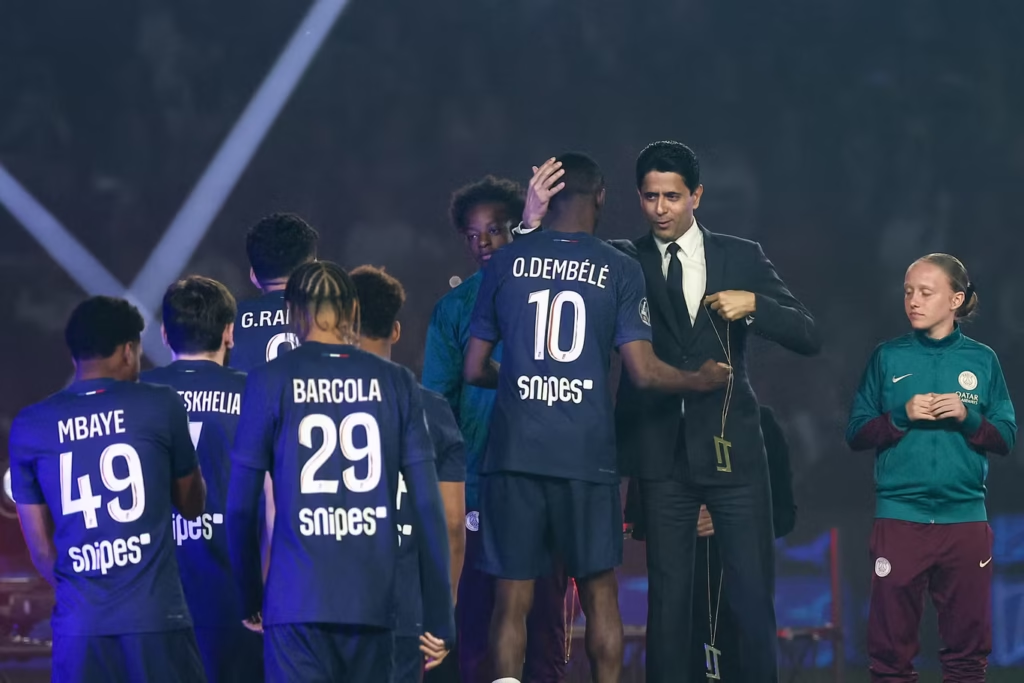
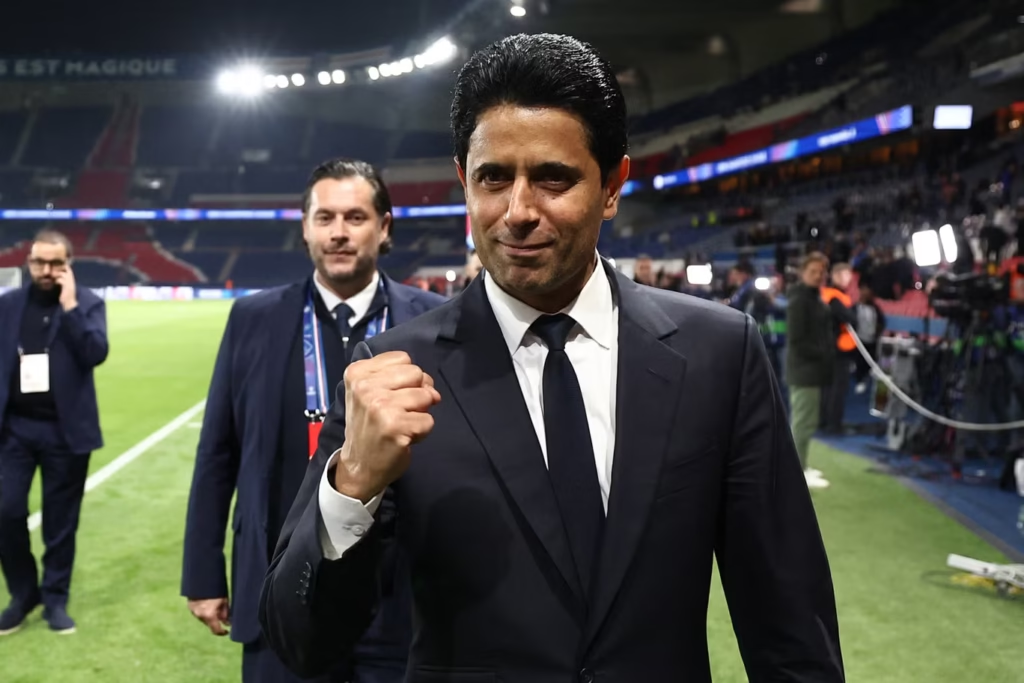
Qatar’s global football portfolio is a critical component of its soft power strategy, allowing it to engage with different cultures and nations through a shared passion for the sport.

World Cup Legacy and Continued Sporting Ambitions
The 2022 FIFA World Cup in Qatar marked a significant milestone in the country’s sporting history, showcasing its capability to host major international events. The success of the World Cup has laid the groundwork for Qatar’s continued sporting ambitions, including further investments in football infrastructure and the promotion of other sports.
| Year | Event | Significance |
|---|---|---|
| 2022 | FIFA World Cup | Qatar hosts its first major international football tournament |
| 2025 | PSG Champions League Victory | Qatar’s football investment pays off with European club success |
| 2026+ | Continued Sporting Ambitions | Qatar plans further investments in sports infrastructure and events |
Qatar’s commitment to football and sports development underscores its broader strategy of using sport as a tool for soft power, enhancing its global influence and cultural engagement.
The Business of Building a Global Football Brand
PSG’s rise to European dominance has not only been about on-field success but also about building a global football brand through innovative commercial strategies. The club’s ability to attract and retain top talent has been matched by its savvy business acumen, turning PSG into a global sports powerhouse.
Commercial Innovations and Marketing Success
PSG’s commercial success can be attributed to its forward-thinking approach to marketing and brand management. The club has leveraged digital platforms to engage with fans worldwide, creating a robust online presence that transcends geographical boundaries.
Key strategies include:
- Innovative use of social media to foster fan engagement
- Targeted marketing campaigns to reach new audiences
- Strategic partnerships with global brands
As Nasser Al-Khelaifi, PSG’s president, once said,
“The key to our success lies in our ability to innovate and adapt to the changing landscape of football.”
This forward-thinking approach has been instrumental in PSG’s commercial success.
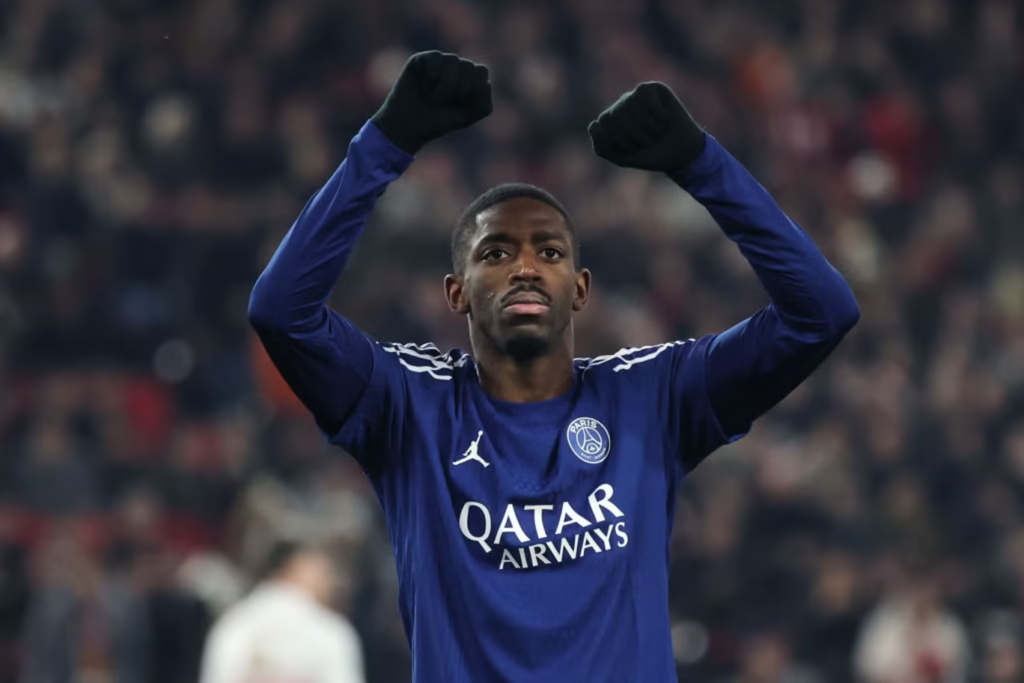
Merchandise, Sponsorships, and Global Fan Engagement
The financialisation of football has seen PSG benefit significantly from increased revenue streams, including merchandise sales and sponsorship deals. The club’s global appeal has attracted major brands looking to tap into the lucrative football market.
Some notable achievements include:
- A significant increase in merchandise sales, driven by stylish and innovative kit designs
- Lucrative sponsorship deals with global brands, enhancing PSG’s financial stability
- Global fan engagement initiatives, such as international fan tours and digital contests
As the football landscape continues to evolve, PSG’s commitment to commercial innovation and fan engagement will remain crucial in maintaining its position as a leading global football brand.
Al-Khelaifi’s Power Network: BeIN Sports, UEFA, and ECA
Nasser Al-Khelaifi’s influence in European football is multifaceted, involving key roles in PSG, BeIN Sports, UEFA, and the ECA. His positions have created a complex web of power and influence that extends beyond his club, PSG.

The Controversial Dual Role in Club and Governance
Al-Khelaifi’s dual role in both club ownership and governance has raised concerns about potential conflicts of interest. As the head of PSG, he is directly involved in the club’s operations and success. Simultaneously, his roles in UEFA and the ECA place him in significant governance positions, influencing European football’s broader landscape.
The potential for conflict arises when decisions made in governance roles could benefit PSG or his other interests. Critics argue that this dual role could lead to favorable treatment for PSG in European competitions or influence broader governance decisions to benefit Qatari interests.
- Potential conflicts of interest due to dual roles
- Influence on European football governance
- Criticism regarding favoritism towards PSG
Political Maneuvering in European Football Corridors
Al-Khelaifi has demonstrated significant political acumen in navigating European football’s corridors of power. His influence extends through various channels, including BeIN Sports, a major broadcasting network for football.
By leveraging his positions, Al-Khelaifi has managed to maintain a strong presence in European football governance. This has involved building alliances, negotiating complex agreements, and ensuring that Qatari interests remain prominent in the sport.
- Building alliances within European football governance
- Negotiating broadcasting rights and commercial agreements
- Promoting Qatari interests in European football
As European football continues to evolve, Al-Khelaifi’s influence and the implications of his dual roles will remain a topic of discussion. The balance between his club and governance responsibilities will be crucial in determining the future landscape of European football.
Reshaping Football Governance: The ECA-UEFA Alliance
Under Al-Khelaifi’s strategic vision, the ECA-UEFA alliance is redefining football governance. The partnership between the European Club Association and UEFA has brought about significant changes in the landscape of European football.
Al-Khelaifi’s ECA Presidency and Strategic Vision
Nasser Al-Khelaifi, as the president of the ECA, has played a crucial role in shaping the alliance with UEFA. His leadership has been instrumental in driving the agenda for change in football governance. The ECA-UEFA partnership is a testament to Al-Khelaifi’s ability to bring together key stakeholders in European football.
“The ECA-UEFA alliance represents a new era in football governance, one that prioritizes the interests of clubs while ensuring the integrity of the sport.” – Nasser Al-Khelaifi
New Competition Formats and Revenue Distribution Models
The alliance has led to the introduction of new competition formats, aimed at enhancing the fan experience and increasing revenue for participating clubs. The revamped Champions League format, for instance, has been designed to be more competitive and appealing to a broader audience.
Furthermore, the ECA-UEFA partnership has resulted in more equitable revenue distribution models. This ensures that clubs are fairly compensated for their participation in UEFA competitions, thereby promoting financial sustainability across European football.
The implications of these changes are far-reaching, with potential impacts on the media rights landscape and the overall financial health of European clubs. As the football governance landscape continues to evolve, the ECA-UEFA alliance remains at the forefront, shaping the future of the sport.
The Failed Super League and UEFA’s Counter-Revolution
PSG’s strategic opposition to the European Super League was a pivotal moment in European football history. The club’s decision, led by Nasser Al-Khelaifi, played a significant role in the Super League’s collapse.
PSG’s Strategic Opposition to the Breakaway
PSG’s opposition to the Super League was not taken lightly. The club recognized that the proposed breakaway league would fundamentally alter the landscape of European football, potentially diminishing the competitive balance and altering traditional rivalries. Al-Khelaifi’s leadership was crucial in rallying other clubs against the Super League, leveraging his influence within UEFA and the European Club Association (ECA) to coordinate a unified response.
The decision to oppose the Super League was also driven by PSG’s commitment to the existing European football structure, which includes the UEFA Champions League. By maintaining the status quo, PSG ensured its continued participation in prestigious competitions, preserving its competitive edge and global appeal.
UC3 Joint Venture and the Future of Club Competitions
In the aftermath of the Super League’s collapse, UEFA explored alternative formats for club competitions. One such initiative is the UC3 joint venture, a collaborative effort aimed at enhancing the commercial and sporting appeal of European club football. This joint venture represents a potential super league alternative, offering a more inclusive and competitive format that aligns with UEFA’s vision for European football.
The UC3 joint venture is expected to introduce innovative competition formats, potentially including new qualification pathways and revenue distribution models. These changes could significantly impact the future of European club competitions, providing a more sustainable and engaging product for fans.
Football’s Financial Transformation in the 2020s
The 2020s have witnessed a seismic shift in European football’s financial landscape. Driven by the evolution of media rights and the expansion into new markets, particularly in the United States, the financial dynamics of the sport have changed dramatically.
Media Rights Evolution and American Market Expansion
The media rights landscape in European football has undergone significant changes, with a notable increase in revenue. The expansion into the American market has been a key driver of this growth, with leagues like the English Premier League and La Liga securing lucrative broadcasting deals.
Key Developments:
- Increased demand for football content from American broadcasters
- Strategic partnerships between European leagues and American sports networks
- Growth in streaming services offering football content
The influx of American capital into European football has not only boosted revenue but also introduced new business models and marketing strategies. This cross-continental collaboration is reshaping the financial future of the sport.
Private Equity, Sovereign Wealth, and Changing Ownership Models
The 2020s have also seen a shift in ownership models, with private equity and sovereign wealth funds playing an increasingly significant role. Investments from entities like Qatar’s QSI in clubs such as PSG have set a precedent for state-backed investments in European football.
Notable Trends:
- Rise of sovereign wealth funds investing in football clubs
- Increased involvement of private equity firms in football ownership
- Changing perceptions of football as an attractive investment opportunity
This new era of ownership is bringing significant financial resources to clubs, enabling them to compete at higher levels and invest in infrastructure and talent. However, it also raises questions about the future governance and competitive balance of European football.
The financial transformation of European football in the 2020s is a complex and multifaceted phenomenon, driven by both technological advancements and changing investment landscapes. As the sport continues to evolve, understanding these financial shifts will be crucial for stakeholders across the industry.
Power Shift: Traditional Clubs vs. State-Backed Entities
European football is witnessing a power shift with state-backed entities like PSG challenging traditional clubs. The 2025 Champions League victory by PSG is not just a triumph for the club but a significant moment in the evolving landscape of European football.
Fan Perspectives on Football’s Changing Landscape
Fans across Europe are reacting to the changing dynamics in football, with some embracing the new era of state-backed clubs, while others lament the perceived decline of traditional powerhouses. The rise of PSG, backed by Qatar’s investments, has sparked debates about the future of the sport.
The fan base of traditional clubs is concerned about the competitive imbalance, fearing that the influx of money from state-backed entities could lead to an unsustainable gap between clubs. On the other hand, fans of state-backed clubs like PSG see this as an opportunity for their teams to compete at the highest level and achieve European glory.
Cultural Impact of PSG’s Rise to European Dominance
PSG’s rise has had a significant cultural impact, not just in France but across Europe. The club’s success has attracted a diverse fan base, and its influence extends beyond the pitch to fashion, media, and popular culture.
| Aspect | Pre-2025 | Post-2025 |
|---|---|---|
| Fan Base | Primarily French | Diverse, Global |
| Brand Value | Moderate | Significantly Increased |
| Cultural Influence | Limited to Football | Extended to Fashion, Media |
The cultural impact of PSG’s success is a testament to the changing dynamics in European football, where clubs are not just sports entities but cultural icons with a significant influence on society.
Conclusion: European Football’s New Era After PSG’s Triumph
PSG’s 2025 Champions League win marks a significant milestone in European football, signaling a new era of dominance for Qatar-backed clubs. Nasser Al-Khelaifi’s vision and leadership have been instrumental in this success, as PSG continues to benefit from Qatar’s substantial football investments.
The victory underscores Qatar’s growing influence in the sport, with its strategic investments in football infrastructure, talent acquisition, and marketing initiatives. As a key figure in UEFA and the European Club Association, Al-Khelaifi has played a crucial role in shaping the future of European competitions.
As European football continues to evolve, the impact of Qatar’s investments will be closely watched. The success of PSG and other Qatar-backed clubs will likely inspire further investment in the sport, potentially reshaping the competitive landscape of European football.
FAQ
What was the outcome of the 2025 UEFA Champions League final?
PSG emerged victorious against Inter Milan, marking a historic moment for the club and its Qatari investors.
How did Qatar’s investment in PSG pay off?
Qatar’s 14-year journey and billion-dollar investment strategy in PSG paid off with the club’s 2025 Champions League win, elevating PSG’s status and contributing to Qatar’s football empire.
What role did Nasser Al-Khelaifi play in PSG’s success?
Nasser Al-Khelaifi’s leadership and vision were pivotal in PSG’s 2025 Champions League win, driving Qatar’s investments and transforming PSG into a dominant force in European football.
How has Qatar’s influence grown in European football?
Qatar’s influence has grown through its sports investments, including the acquisition of PSG, and its continued sporting ambitions, such as its World Cup legacy, establishing itself as a major player in global football.
What is the significance of PSG’s global brand?
PSG’s global brand has been built through commercial innovations, marketing success, and increased merchandise sales, making it one of the leading clubs in European football.
How has Nasser Al-Khelaifi’s influence extended beyond PSG?
Al-Khelaifi’s influence extends through his roles in BeIN Sports, UEFA, and the ECA, shaping the future of European football governance and raising concerns about potential conflicts of interest.
What is the ECA-UEFA alliance, and what are its implications?
The ECA-UEFA alliance, driven by Al-Khelaifi’s strategic vision, has led to the introduction of new competition formats and revenue distribution models, shaping the future of European football.
Why did PSG oppose the Super League?
PSG’s opposition to the Super League was a strategic decision driven by Al-Khelaifi’s leadership, influenced by the club’s commitment to European football competitions and its relationship with UEFA.
What is the UC3 joint venture, and how does it relate to the Super League?
The UC3 joint venture is a potential alternative to the Super League, offering a new model for club competitions.
How has the financial landscape of European football changed?
The financial transformation in European football has been driven by the evolution of media rights, expansion into the American market, and the role of private equity and sovereign wealth in changing ownership models.
What does PSG’s 2025 Champions League win mean for European football?
PSG’s win represents a significant shift in power dynamics, with state-backed entities like PSG challenging traditional clubs, and marks the beginning of a new era in European football with Qatar’s influence growing.