






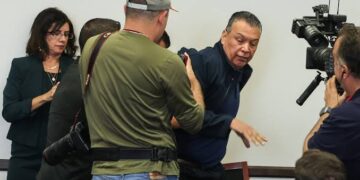





















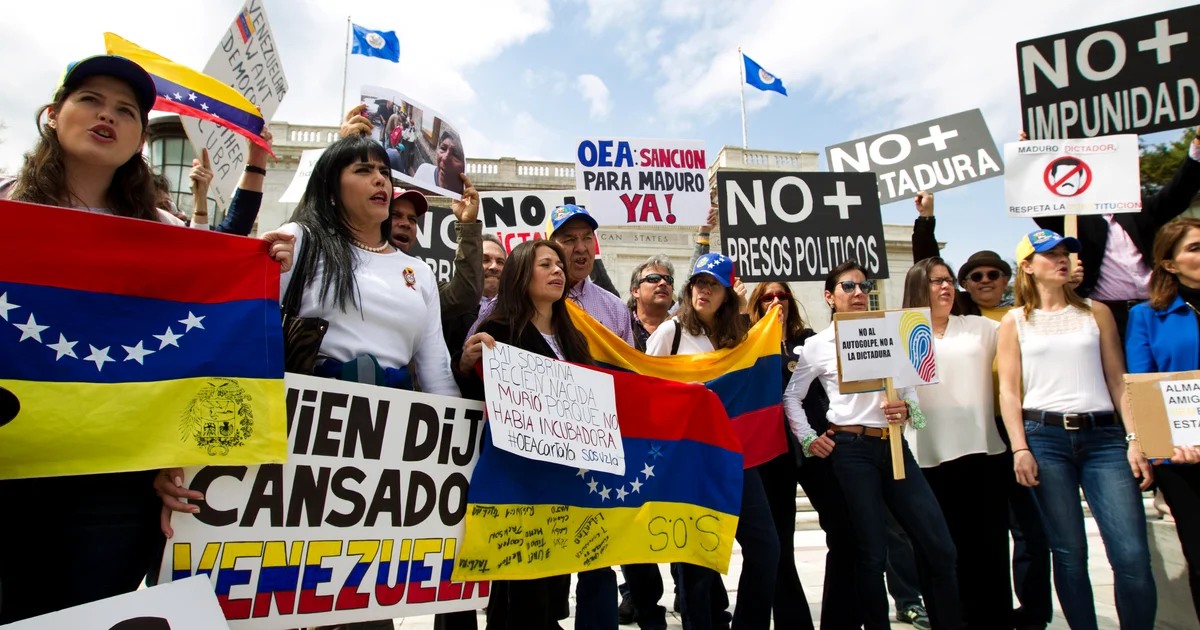
In a significant decision, the Supreme Court allowed the Trump administration to revoke Temporary Protected Status (TPS) for approximately 350,000 Venezuelans, with Justice Ketanji Brown Jackson being the sole dissenter in the 8-1 vote.

This ruling has immediate implications for Venezuelan migrants, who now face the risk of deportation as their TPS was set to expire on April 7. TPS is a designation that permits migrants to live and work in the U.S. due to unsafe conditions in their home countries.

The decision marks a significant shift in U.S. immigration policy, affecting the lives of hundreds of thousands of individuals who have been living in the country under TPS.
Key Takeaways
- The Supreme Court’s decision allows the Trump administration to revoke TPS for Venezuelans.
- Approximately 350,000 Venezuelans face deportation due to the ruling.
- TPS designation permits migrants to live and work in the U.S. due to unsafe home country conditions.
- The decision was made with an 8-1 vote, with Justice Ketanji Brown Jackson dissenting.
- The TPS for Venezuelans was set to expire on April 7.

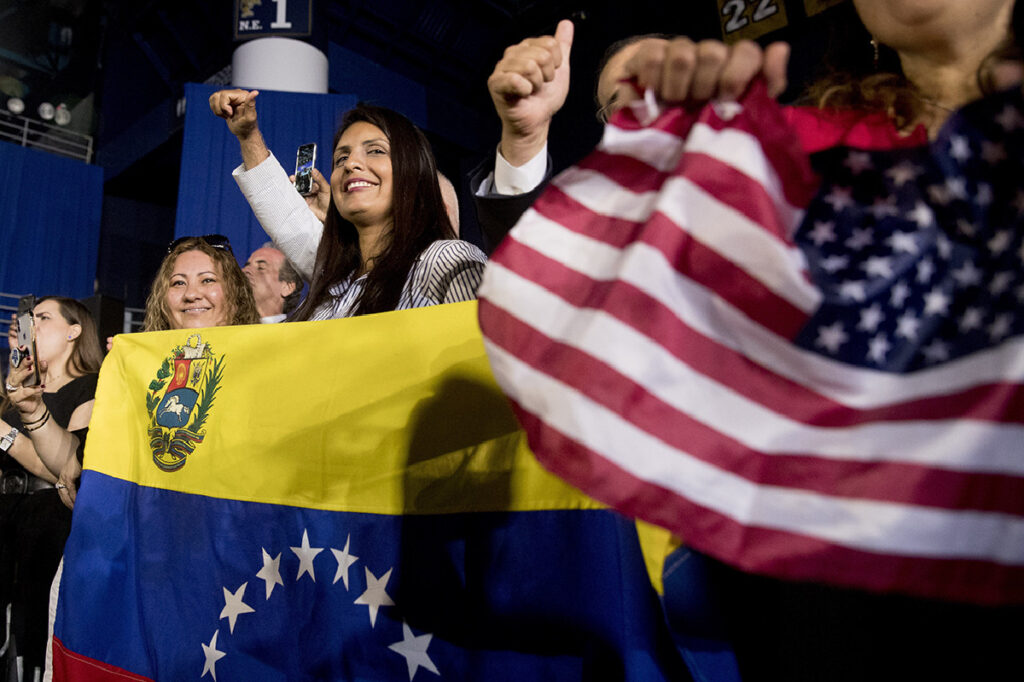
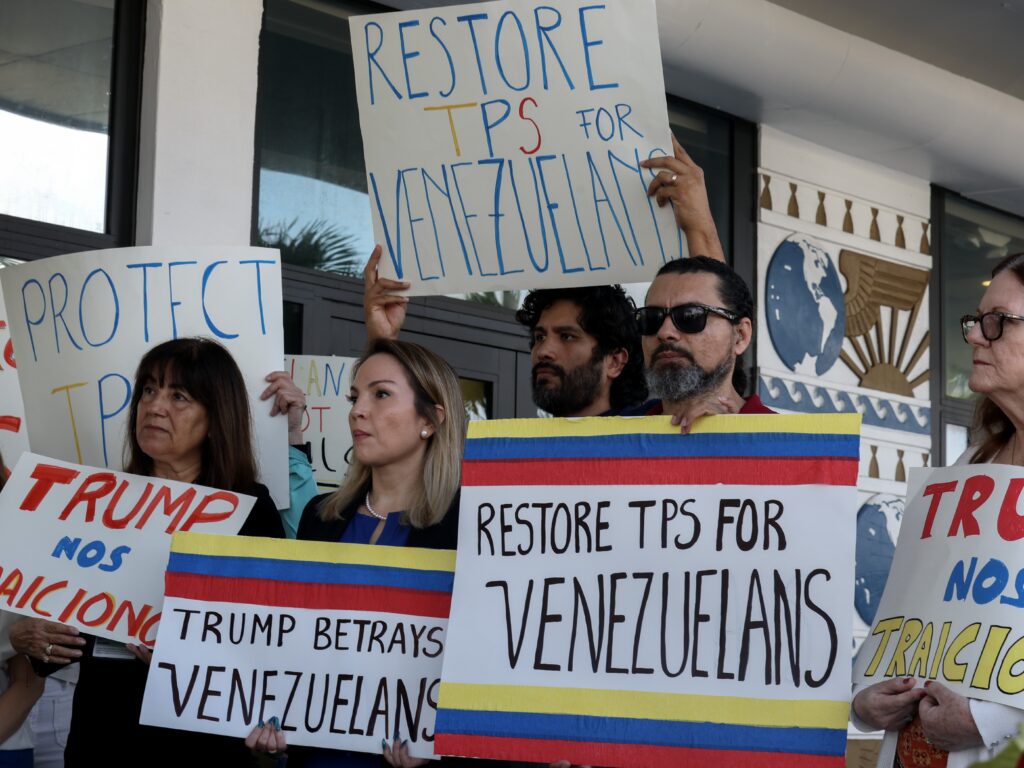
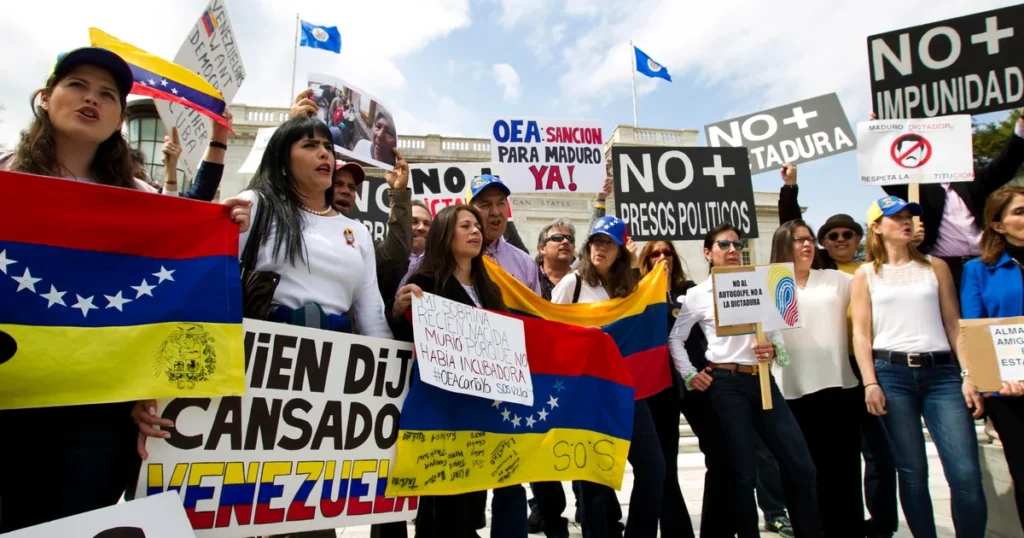
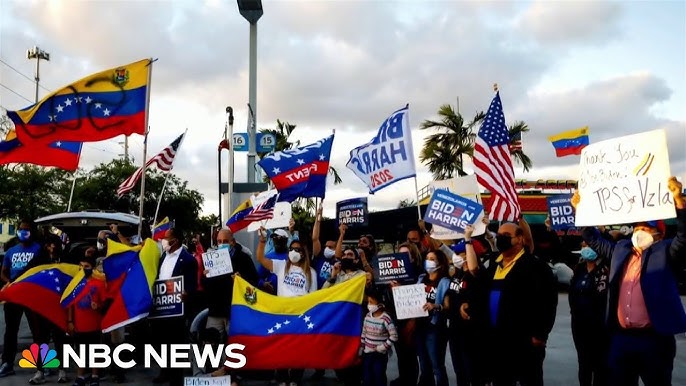
Breaking News: SCOTUS Ruling Revokes Venezuelan Protections
With an 8-1 vote, the Supreme Court has sided with the Trump administration, revoking Temporary Protected Status (TPS) for Venezuelans. This decision has significant implications for approximately 350,000 Venezuelan nationals living in the United States.
The 8-1 Supreme Court Decision
The Supreme Court’s ruling was a decisive 8-1 decision, with Justice Ketanji Brown Jackson being the sole dissenter. This significant vote indicates a strong stance by the Court, with the majority siding with the Trump administration’s argument regarding the revocation of TPS for Venezuelans.
Justice Ketanji Brown Jackson’s Lone Dissent
Justice Ketanji Brown Jackson’s dissent highlights the complexity and the contentious nature of the issue. Her lone dissenting voice underscores the significance of the decision and the potential for ongoing legal and political debates surrounding TPS.
April 7 Expiration Deadline
The TPS for Venezuelans was set to expire on April 7, following the Supreme Court’s decision. This deadline has put pressure on affected individuals and families, who must now navigate the implications of the ruling, including potential deportation.
The key points to consider are:
- The Supreme Court’s 8-1 decision to revoke TPS for Venezuelans.
- The significance of Justice Ketanji Brown Jackson’s dissent.
- The April 7 expiration deadline and its implications.
The SCOTUS ruling has sparked a national conversation about immigration policies and the future of TPS recipients. As the situation unfolds, it is crucial to stay informed about the latest developments and their potential impact on the affected communities.
Supreme Court TPS Venezuela Decision: Legal Basis Explained
The Supreme Court’s decision to revoke TPS for Venezuelans has sparked intense debate over the legal basis of their ruling.
Trump Administration’s Arguments
The Trump administration contended that the Secretary of Homeland Security has the authority to terminate TPS designations.
They based their argument on the Immigration and Nationality Act (INA), which grants the Secretary discretion in making such decisions.
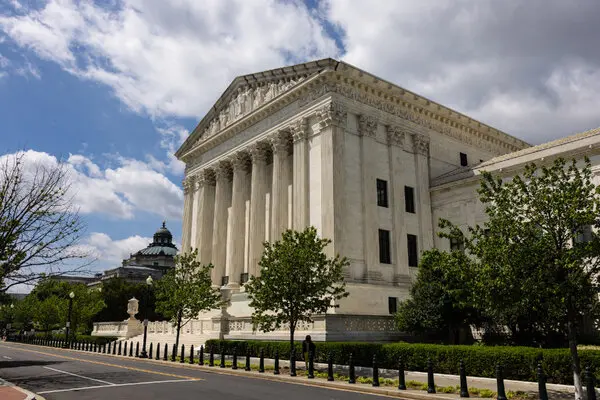
Executive Authority Questions
The Supreme Court’s decision raised questions about the extent of executive authority in immigration matters.
The ruling underscored the deference given to the executive branch in matters of immigration policy.
| Aspect | Description | Implication |
|---|---|---|
| Executive Authority | Power to revoke TPS | Increased discretion for the executive branch |
| Legal Basis | Immigration and Nationality Act (INA) | Statutory support for TPS decisions |
| Judicial Review | Limited review of executive decisions | Potential for reduced legal challenges |
Emergency Appeal Process
The Trump administration’s emergency appeal to the Supreme Court was granted, allowing them to bypass lower court rulings.
The Supreme Court’s decision to grant the emergency appeal was a critical factor in the ultimate ruling.

The legal basis of the Supreme Court’s decision to revoke TPS for Venezuelans is complex and multifaceted.
Understanding Temporary Protected Status (TPS)
Temporary Protected Status, or TPS, is a humanitarian program that allows individuals from certain countries to live and work in the United States. This designation is given to countries experiencing ongoing armed conflict, environmental disaster, or other extraordinary conditions that make it difficult for their citizens to return safely.
TPS Purpose and Function
The primary purpose of TPS is to provide a safe haven for individuals who cannot return to their home countries due to unsafe conditions. It allows them to remain in the U.S. legally, obtain work authorization, and access certain benefits. TPS is not a path to permanent residency or citizenship but provides temporary relief.
Historical Implementation in U.S. Immigration Policy
TPS was first implemented in 1990 as part of the Immigration Act. Since then, it has been used to respond to various crises around the world, including conflicts, natural disasters, and epidemics. The program has been extended multiple times for certain countries, reflecting the ongoing nature of these challenges.
Current Countries Under TPS Designation
Currently, several countries are designated for TPS, including Venezuela, Haiti, Nicaragua, and others. The designation is typically granted for a specific period, after which it may be extended or terminated based on the conditions in the country.
The TPS designation for each country is reviewed periodically, and the decision to continue or terminate the designation is made by the U.S. government based on the prevailing conditions in the respective countries.
Venezuela’s Humanitarian Crisis: Why TPS Was Granted
Venezuela’s ongoing humanitarian crisis was the primary reason for granting Temporary Protected Status (TPS) to its citizens. The country has been plagued by severe political instability, economic collapse, and human rights concerns, making it unsafe for nationals to return.
Political Instability and Economic Collapse
The political situation in Venezuela has been volatile, with the government facing allegations of corruption and human rights abuses. This instability has contributed to an economic collapse, characterized by hyperinflation, shortages of basic goods, and a significant decline in living standards. As a result, millions of Venezuelans have fled the country in search of safety and economic opportunities.
Human Rights Concerns
Human rights concerns in Venezuela have been a significant factor in the decision to grant TPS. Reports of arbitrary arrests, torture, and extrajudicial killings have been documented, highlighting the risks faced by individuals who might be persecuted or harmed if returned to Venezuela. The humanitarian crisis has also led to a significant outflow of migrants and asylum seekers.
Biden’s 2021/2023 TPS Expansions
In response to the ongoing crisis, the Biden administration expanded TPS for Venezuelans in 2021 and again in 2023, recognizing the continued deterioration of conditions in the country. These expansions have provided temporary relief to hundreds of thousands of Venezuelans living in the United States, allowing them to remain without fear of deportation.

The 350,000+ Venezuelans Now Facing Deportation
With the Supreme Court’s decision to revoke TPS for Venezuelans, a population of over 350,000 is bracing for potential deportation. This community has been an integral part of the U.S. society, contributing significantly in various sectors.
Demographics and Community Profiles
The Venezuelan community with TPS is diverse, comprising individuals from various professional backgrounds. Many have established themselves in the U.S., with some having lived there for over a decade.
Demographic Breakdown:
| Category | Percentage | Number |
|---|---|---|
| Working Professionals | 60% | 210,000 |
| Students | 15% | 52,500 |
| Family Dependents | 25% | 87,500 |
Economic and Social Contributions
Venezuelans with TPS have made significant economic and social contributions. They are employed in crucial sectors such as healthcare, education, and technology.
Economic Impact:
- Contribute to the workforce, filling labor gaps.
- Pay taxes, supporting public finances.
- Start businesses, creating jobs.
Personal Stories and Impacts
The impending deportation affects not just statistics but real families and individuals. Stories of Venezuelans with TPS highlight their struggles and contributions.
For instance, Maria, a healthcare worker, has been in the U.S. for over 8 years. She has built a life, contributed to her community, and now faces the uncertainty of deportation.
Deportation Process and Challenges
The recent SCOTUS ruling on Venezuelan TPS protections has sparked concerns about the deportation process. With over 350,000 Venezuelans facing deportation under the trump deportation policy, the logistics of such a massive operation are daunting.
Enforcement Priorities and Timeline
The scotus immigration decision has given the green light for the deportation process to begin. Enforcement priorities will likely focus on individuals with criminal records or those deemed a threat to national security. However, the exact timeline remains unclear, with the April 7 expiration deadline serving as a looming benchmark.
Logistical Challenges of Mass Deportation
Deporting Venezuelan migrants on such a large scale poses significant logistical challenges. The process requires coordination between various government agencies, airlines, and international partners. Moreover, ensuring the safety and dignity of deportees during transit will be a major concern.

Venezuela’s Ability to Receive Deportees
A critical question surrounding the deportation process is whether Venezuela is equipped to receive the influx of returnees. The country’s humanitarian crisis, marked by economic collapse and political instability, raises concerns about its capacity to absorb and reintegrate deportees.
The international community will be watching closely as the situation unfolds, with many calling for a more nuanced approach to address the complex issues surrounding venezuelan migrants deportation.
Political Reactions Across the Spectrum
In the wake of the Supreme Court’s ruling on TPS for Venezuelans, political responses are pouring in from across the spectrum. The decision has significant implications for over 350,000 Venezuelans who have been living in the United States under TPS.
Biden Administration’s Response
The Biden administration has been critical of the Trump administration’s efforts to revoke TPS for Venezuelans. Despite this, the Supreme Court’s decision has limited the current administration’s ability to act unilaterally on this issue. The administration is likely to explore alternative avenues to provide relief to affected Venezuelans.
Congressional Positions
Congressional reactions have been mixed, reflecting the broader political divide on immigration issues. Some lawmakers have expressed support for maintaining TPS for Venezuelans, citing humanitarian concerns and the contributions these individuals make to the U.S. economy and society. Others have supported the Supreme Court’s decision, emphasizing the need for strict adherence to immigration laws.
Advocacy Groups and Public Opinion
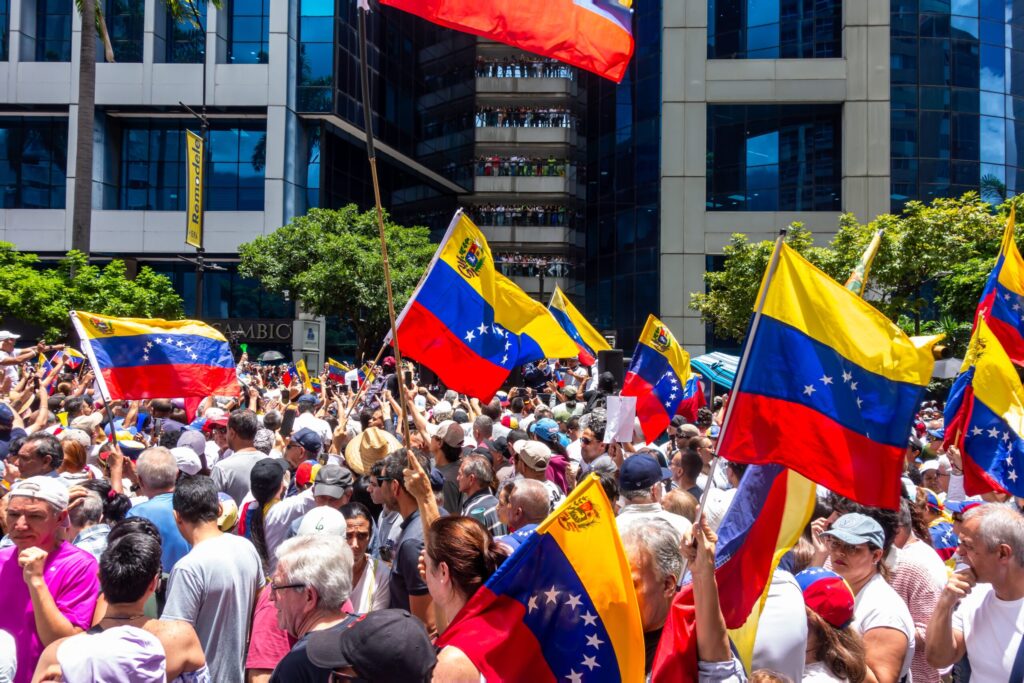
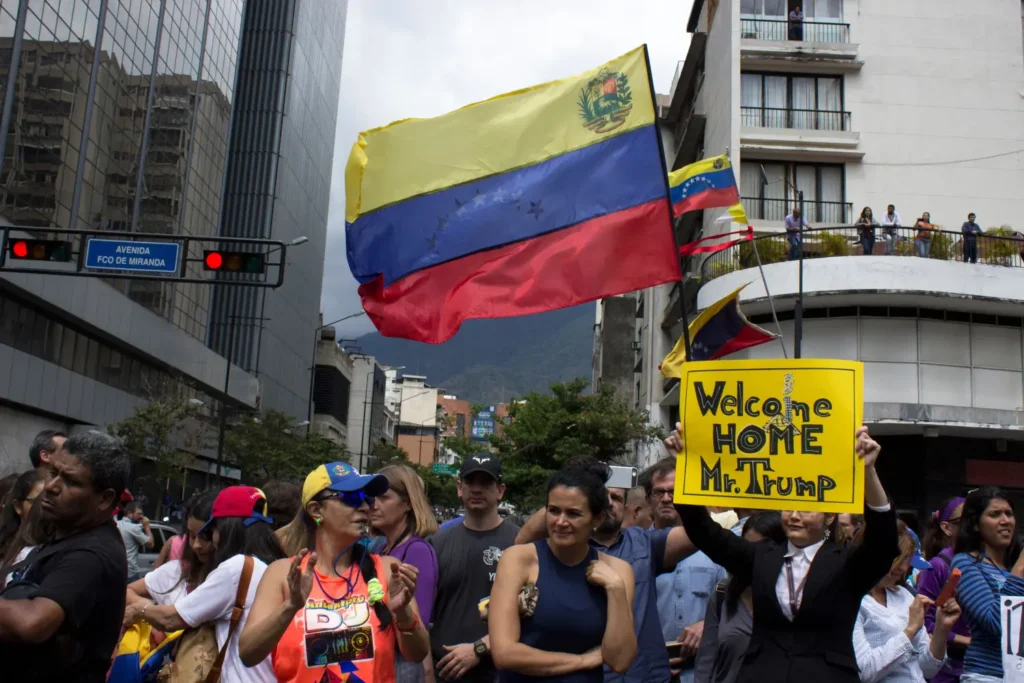
Advocacy groups have been vocal in their opposition to the Supreme Court’s decision, arguing that it will lead to significant humanitarian consequences. Public opinion is also divided, with many expressing sympathy for the Venezuelans who have built lives in the United States. The image below represents the complexity of the issue.
The varied political reactions highlight the complexity of the TPS issue and its far-reaching implications. As the situation continues to unfold, it is likely that political debates will intensify, with significant consequences for affected individuals and the broader U.S. immigration landscape.
Trump’s Broader Immigration Policy Context
The Trump administration’s immigration policies have been marked by stringent measures, including the recent TPS ruling for Venezuelans. This decision is not isolated but rather part of a broader strategy that encompasses various nationalities and emphasizes border security.
Similar Actions Against Other Nationalities
The Trump administration has taken similar actions against other nationalities, including Haitians, Cubans, and Nicaraguans, who were also protected under TPS. The SCOTUS ruling on Venezuelan TPS is consistent with the administration’s overall approach to immigration, reflecting a broader policy aimed at tightening immigration controls.
As The New York Times noted, “The administration’s decision to end TPS for several countries has been met with legal challenges and criticism from immigrant advocacy groups.” This highlights the contentious nature of Trump’s deportation policy.
Connection to Border Security Initiatives
The TPS revocation is closely linked to the administration’s border security initiatives. By tightening protections and enforcing stricter immigration laws, the administration aims to reduce unauthorized immigration.
“The Supreme Court’s decision allows the Trump administration to move forward with its immigration agenda, a key pillar of which is enhancing border security.”
Historical Comparison to Previous Administrations
Historically, the use of TPS has been a humanitarian response to crises in affected countries. The Trump administration’s approach differs significantly from previous administrations, which often used TPS as a temporary measure with the possibility of extension. In contrast, the Trump administration has shown a preference for stricter immigration policies, marking a shift in how TPS is utilized.
This section underscores the broader context of Trump’s immigration policies, highlighting the consistency in the administration’s approach across different nationalities and its focus on border security.
Legal Options and Resources for Affected Venezuelans
With the expiration of TPS protections, Venezuelans are now looking into other immigration options and resources available to them. The Supreme Court’s decision has significant implications for the approximately 350,000 Venezuelans who were protected under TPS. As they navigate this challenging situation, understanding the available legal pathways and support systems is crucial.
Alternative Immigration Pathways
Affected Venezuelans may be eligible for other forms of immigration relief. These include:
- Applying for asylum if they fear persecution based on race, religion, nationality, membership in a particular social group, or political opinion.
- Seeking withholding of removal, which prevents deportation to a country where an individual’s life or freedom would be threatened.
- Pursuing adjustment of status if they have a family-based or employment-based visa petition approved.
- Exploring Special Immigrant Juvenile Status (SIJS) for those who are unmarried, under 21, and have been abused, abandoned, or neglected by one or both parents.
Legal Assistance Organizations
Several organizations provide legal assistance to Venezuelans facing deportation. These include:
- The American Immigration Lawyers Association (AILA), which can connect individuals with qualified immigration attorneys.
- Non-profit organizations like the National Immigration Project and the Immigrant Legal Resource Center, offering legal guidance and representation.
- Local community legal clinics that provide free or low-cost legal services.
Community Support Networks
Beyond legal assistance, community support networks play a vital role in helping Venezuelans cope with the implications of TPS revocation. These networks offer:
- Emotional support through community groups and counseling services.
- Practical assistance, including help with finding employment, housing, and accessing healthcare.
- Advocacy efforts to raise awareness and push for policy changes benefiting TPS holders.
As Venezuelans navigate these complex issues, staying informed about their legal options and accessing available resources will be crucial. For the most current information and personalized advice, consulting with a qualified immigration attorney is recommended.
Conclusion: Uncertain Future for Humanitarian Protections
The Supreme Court’s decision to revoke TPS for Venezuelans marks a significant shift in U.S. immigration policy, leaving over 350,000 Venezuelan migrants facing an uncertain future. The supreme court ruling has far-reaching implications for humanitarian protections, as it sets a precedent for other TPS designations.
The venezuelan migrants deportation process will be complex, with logistical challenges and potential human rights concerns. As the Biden administration navigates the aftermath of the TPS Venezuela decision, it must balance enforcement priorities with humanitarian considerations.
The future of humanitarian protections in the U.S. remains uncertain, as the supreme court ruling and subsequent deportations may have a ripple effect on other TPS designations. It is crucial for advocacy groups, lawmakers, and the administration to work together to address the humanitarian concerns surrounding venezuelan migrants deportation and TPS venezuela.
FAQ
What is Temporary Protected Status (TPS) and why was it granted to Venezuelans?
Temporary Protected Status (TPS) is a humanitarian protection granted to individuals from countries experiencing armed conflict, environmental disaster, or other extraordinary conditions. Venezuelans were granted TPS due to the ongoing humanitarian crisis in their country, including political instability, economic collapse, and human rights concerns.
What does the Supreme Court’s decision to revoke TPS for Venezuelans mean?
The Supreme Court’s decision to revoke TPS for Venezuelans means that approximately 350,000 individuals who have been living in the United States under TPS will face deportation. The decision upholds the Trump administration’s efforts to end TPS for Venezuelans, with an April 7 expiration deadline.
What are the implications of the Supreme Court’s decision for Venezuelans living in the U.S.?
The decision puts Venezuelans living in the U.S. under TPS at risk of deportation, potentially separating them from their families, communities, and livelihoods. Many have built their lives in the U.S., contributing to the economy and society, and face significant challenges returning to a Venezuela in crisis.
What are the legal options available to Venezuelans affected by the TPS revocation?
Venezuelans affected by the TPS revocation may be eligible for alternative immigration pathways, such as asylum or other forms of relief. They can also seek assistance from legal aid organizations and community support networks to navigate their options and potentially challenge their deportation.
How has the Biden administration responded to the Supreme Court’s decision?
The Biden administration has faced criticism for not doing more to protect Venezuelans with TPS. While the administration has expanded TPS for other nationalities, its response to the Supreme Court’s decision on Venezuelan TPS has been seen as insufficient by many advocacy groups.
What are the potential consequences for Venezuela if the U.S. deports 350,000 Venezuelans?
The mass deportation of 350,000 Venezuelans could exacerbate the humanitarian crisis in Venezuela, putting additional strain on the country’s already fragile economy, infrastructure, and social services. Venezuela’s capacity to receive and reintegrate such a large number of deportees is a significant concern.
How does the Supreme Court’s decision fit into Trump’s broader immigration policy?
The decision is part of Trump’s broader efforts to restrict immigration, including actions against other nationalities with TPS, such as Haitians, Cubans, and Nicaraguans. The policy is aligned with the administration’s focus on border security and stricter immigration enforcement.
What role have advocacy groups played in responding to the Supreme Court’s decision?
Advocacy groups have been vocal in their opposition to the Supreme Court’s decision, calling for the Biden administration to take a stronger stance in support of Venezuelans with TPS. They continue to push for legislative and administrative solutions to protect TPS recipients and their families.