































Operation Keller Shopian: How Indian Army Neutralized TRF Chief Shahid Kuttay
In a significant counter-terrorism operation on May 13, 2025, the Indian Army successfully eliminated three Lashkar-e-Taiba (LeT) terrorists, including The Resistance Front (TRF) chief Shahid Kuttay, in Jammu and Kashmir’s Shopian district. This precision strike, codenamed “Operation Keller,” comes just days after India’s cross-border Operation Sindoor, signaling an intensified approach to counter-terrorism efforts amid rising tensions with Pakistan.


Operation Keller: A Strategic Counter-Terrorism Mission
Based on specific intelligence gathered by a Rashtriya Rifles unit, the Indian Army launched a search and destroy operation in the Shoekal Keller area of Shopian district. The operation began in the neighboring Kulgam district before extending into Shopian as terrorists attempted to escape through the dense forest terrain.

According to the official statement released by the Indian Army on their social media platform X: “OPERATION KELLER. On 13 May 2025, based on specific intelligence of a #RashtriyasRifles Unit, about presence of terrorists in general area Shoekal Keller, #Shopian, #IndianArmy launched a search and destroy Operation. During the operation, terrorists opened heavy fire and fierce firefight ensued, which resulted in elimination of three hardcore terrorists. Operation is in progress.”
The joint operation involved coordinated efforts from the Indian Army, Jammu and Kashmir Police, and Central Reserve Police Force (CRPF), demonstrating the effectiveness of inter-agency cooperation in counter-terrorism operations.

Terrorists Eliminated: Profiles of the LeT Operatives
Shahid Kuttay: TRF Chief and Mastermind

- Son of Mohammad Yousuf Kuttay, resident of Chotipora Heerpora in Shopian
- Joined Lashkar-e-Taiba on March 8, 2023
- Category A terrorist and chief of The Resistance Front (TRF), a proxy of LeT
- Mastermind behind the Pahalgam terror attack that claimed 26 civilian lives
- Involved in firing at Danish Resort (April 8, 2024) injuring two German tourists
- Responsible for killing a BJP Sarpanch in Heerpora (May 18, 2024)
- Suspected involvement in killing of Territorial Army Personnel in Kulgam (February 3, 2025)
Adnan Shafi Dar

- Son of Mohammad Shafi Dar from Wanduna Melhora, Shopian
- Joined LeT on October 18, 2024
- Category C LeT operative
- Involved in killing of non-local laborers at Wachi in Shopian (October 18, 2024)
Haris Nazir

- Recently recruited LeT operative
- Provided logistical support to terrorist operations
- Involved in coordinating local movement and hideouts
Why Shahid Kuttay’s Elimination Matters
- Disrupts the command structure of TRF, a major LeT proxy in Kashmir
- Removes the mastermind behind the deadly Pahalgam attack that killed 26 civilians
- Signals India’s intensified approach to counter-terrorism following Operation Sindoor
Strategic Significance of Operation Keller
The elimination of Shahid Kuttay and two other LeT operatives represents a significant blow to terrorist networks operating in Jammu and Kashmir. As the chief of TRF and a Category A terrorist, Kuttay was instrumental in planning and executing numerous attacks against civilians and security forces.

Impact on Terrorist Networks
The operation has severely disrupted the command structure of The Resistance Front, which has been responsible for numerous attacks in the region. Intelligence sources indicate that Kuttay was planning additional attacks following the Pahalgam incident, making his elimination particularly timely.
Security forces have cordoned off the area and are conducting thorough search operations to ensure no additional terrorists remain in hiding. Authorities have also tightened security across the region to prevent any retaliatory attacks.
Connection to Pakistan-Backed Terrorism
The Resistance Front (TRF) is widely recognized as a proxy of Pakistan-backed Lashkar-e-Taiba, created to provide plausible deniability for terror attacks. The elimination of its leadership further exposes the links between terrorist groups operating in Kashmir and their handlers across the border.
Following India’s declaration that any future “act of terror” on its soil will be treated as an “act of war,” Operation Keller demonstrates the country’s commitment to taking decisive action against terrorist threats regardless of their origin.

Operation Keller in the Broader Context
Operation Keller comes just days after India’s successful execution of Operation Sindoor, which involved precision airstrikes targeting terrorist launch pads in Pakistan and Pakistan-occupied Kashmir (PoK). The airstrikes eliminated nearly 100 terrorists, including operatives at the headquarters of Jaish-e-Mohammad in Bahawalpur and Lashkar-e-Taiba’s training base in Muridke.

These operations represent a significant shift in India’s counter-terrorism strategy, moving from defensive posturing to proactive elimination of threats. The government has made it clear that any future acts of terror on Indian soil will be treated as acts of war and responded to accordingly.
A top government official stated: “Any future act of terror in India will be considered an act of war against the country and will be responded to accordingly.” This statement marks a formal shift in India’s rules of engagement, drawing a clear red line for Pakistan-based terror groups.
The cross-border tensions between India and Pakistan escalated following the deadly April 22 terror attack in Jammu and Kashmir’s Pahalgam that claimed 26 lives. Pakistan responded with drone attacks targeting areas in Jammu and Kashmir, Punjab, Rajasthan, and Gujarat, which were intercepted by Indian defense systems.
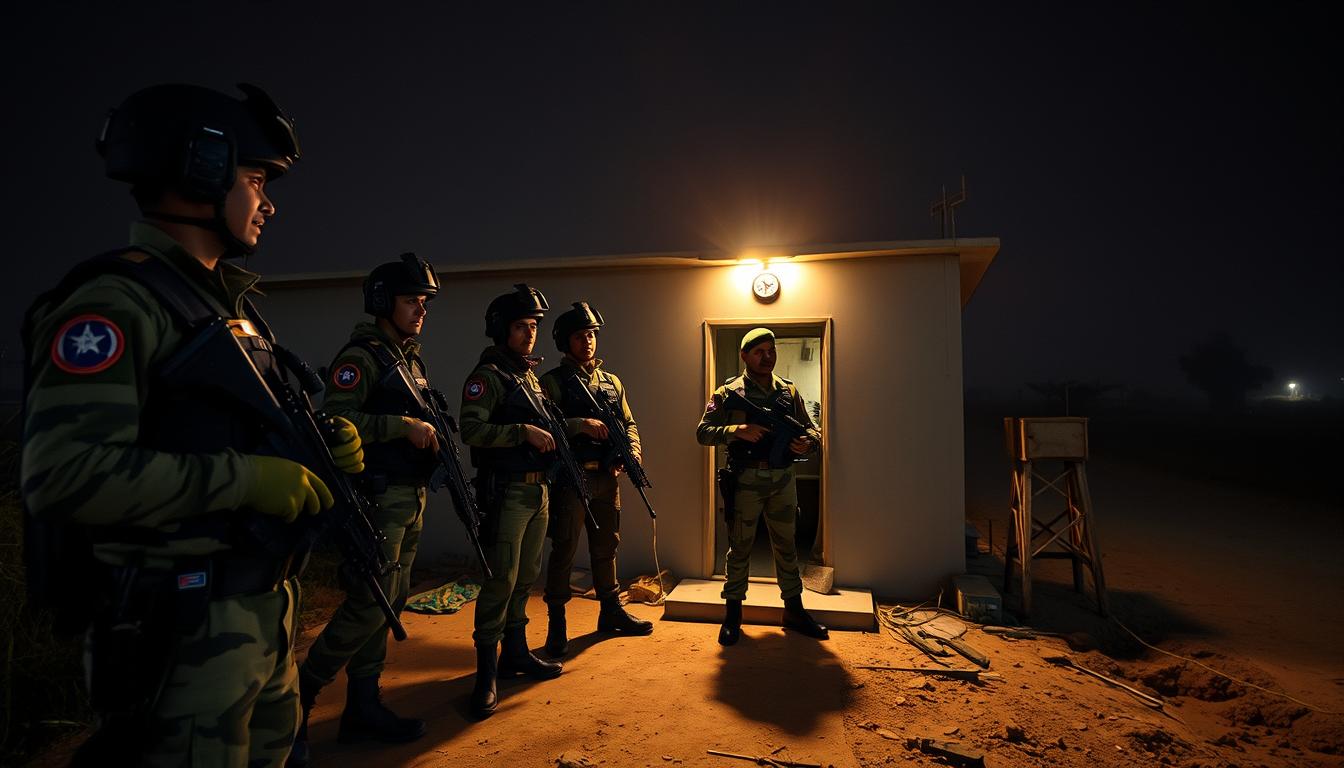
While both countries agreed to an immediate ceasefire to de-escalate tensions, violations were reported shortly afterward. India’s operations against terrorist groups, both across the border and within its territory, demonstrate its commitment to eliminating threats to national security regardless of international pressure.
Conclusion: India’s Evolving Counter-Terrorism Strategy
Operation Keller represents another successful chapter in India’s intensified counter-terrorism efforts. The elimination of TRF chief Shahid Kuttay and two other LeT operatives not only disrupts immediate terrorist plans but also sends a strong message about India’s resolve to combat terrorism at its roots.

As tensions with Pakistan continue to simmer, India’s two-pronged approach—targeting terrorist infrastructure across the border through operations like Sindoor while simultaneously eliminating operatives within its territory through missions like Keller—demonstrates a comprehensive strategy to combat the persistent threat of terrorism.
Security experts believe that the elimination of key terrorist leaders like Shahid Kuttay will significantly hamper the operational capabilities of groups like TRF and LeT in the Kashmir Valley, potentially leading to a reduction in terror incidents in the coming months.