





























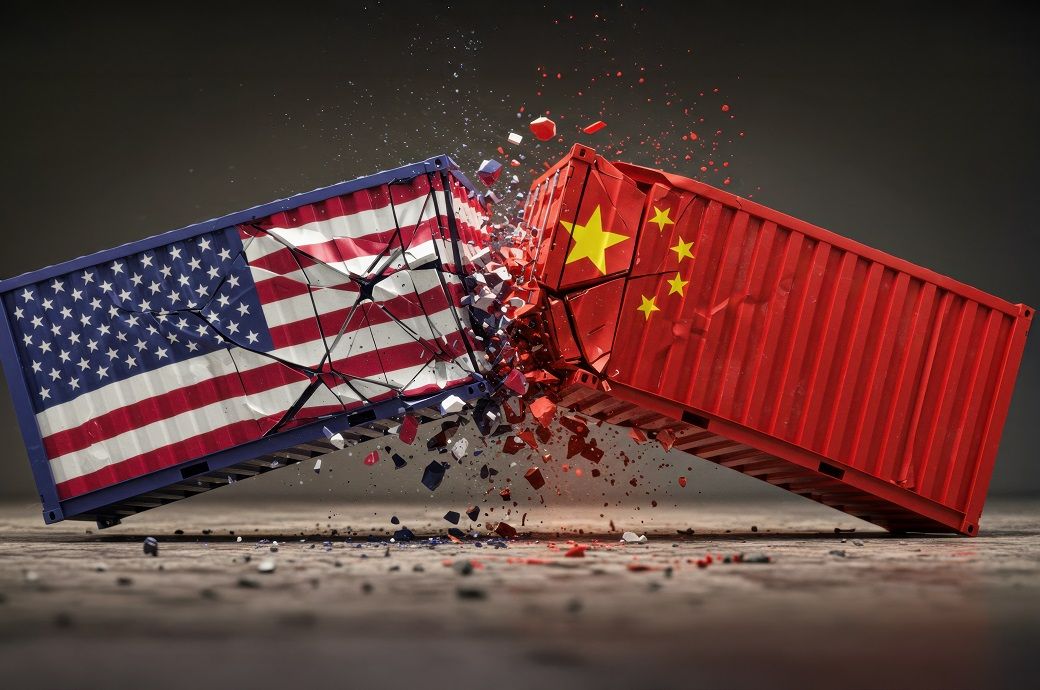
The United States and China have agreed to a 90-day suspension of tariffs, marking a significant step forward in easing trade tensions.


US Treasury Secretary Scott Bessent announced the suspension alongside a commitment to significantly reduce existing tariff rates, signaling a potential breakthrough in ongoing trade negotiations.
This recent agreement represents a major development in the relations between the two countries, potentially paving the way for further tariff reductions and easing the trade tensions that have been a significant concern.
Key Takeaways
- The U.S. and China have agreed to a 90-day tariff suspension.
- Existing tariff rates are to be significantly reduced.
- This move signals a potential breakthrough in trade negotiations.
- The agreement marks a significant step forward in easing trade tensions.
- Further tariff reductions are potentially on the horizon.
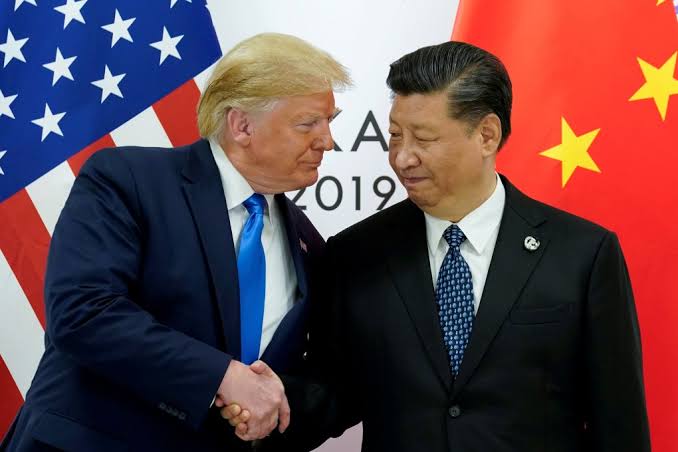
Breaking Down the U.S.-China Trade Agreement
A major breakthrough in trade negotiations between the U.S. and China has led to a substantial tariff reduction. This development is expected to have significant implications for both economies.
Key Terms of the 90-Day Tariff Reduction
The recent trade agreement between the U.S. and China includes a reduction in tariffs from 125% to 10% on certain goods. This move is seen as a reciprocal gesture, with both countries agreeing to ease trade tensions.
The U.S. had previously imposed tariffs on Chinese goods, including a 20% tariff aimed at curbing fentanyl imports. In response, China had retaliated with high tariffs on U.S. imports. The new agreement marks a significant shift in this trade dynamic.
| Tariff Category | Previous Tariff Rate | New Tariff Rate |
|---|---|---|
| General Imports | 125% | 10% |
| Fentanyl-Related Imports | 20% (additional) | Remains unchanged |
What Remains: Fentanyl-Related Tariffs
Despite the overall reduction in tariffs, the U.S. has chosen to maintain the 20% tariff on certain Chinese imports related to fentanyl. This decision is part of a broader strategy to address the opioid crisis in the U.S.
Enforcement Mechanisms
To ensure compliance with the new trade agreement, both countries have agreed to establish robust enforcement mechanisms. These include regular monitoring and verification processes to prevent tariff evasion.
Key enforcement measures include:
- Regular audits of import declarations
- Enhanced cooperation between customs authorities
- Dispute resolution mechanisms
The implementation of these measures is expected to foster a more transparent and compliant trade environment between the two nations.
The Geneva Negotiations: How the Deal Came Together
Geneva served as the neutral ground where the U.S. and China hammered out their trade differences. The city’s diplomatic history and serene environment, as noted by U.S. Treasury Secretary Scott Bessent, added to the equanimity of the negotiations.
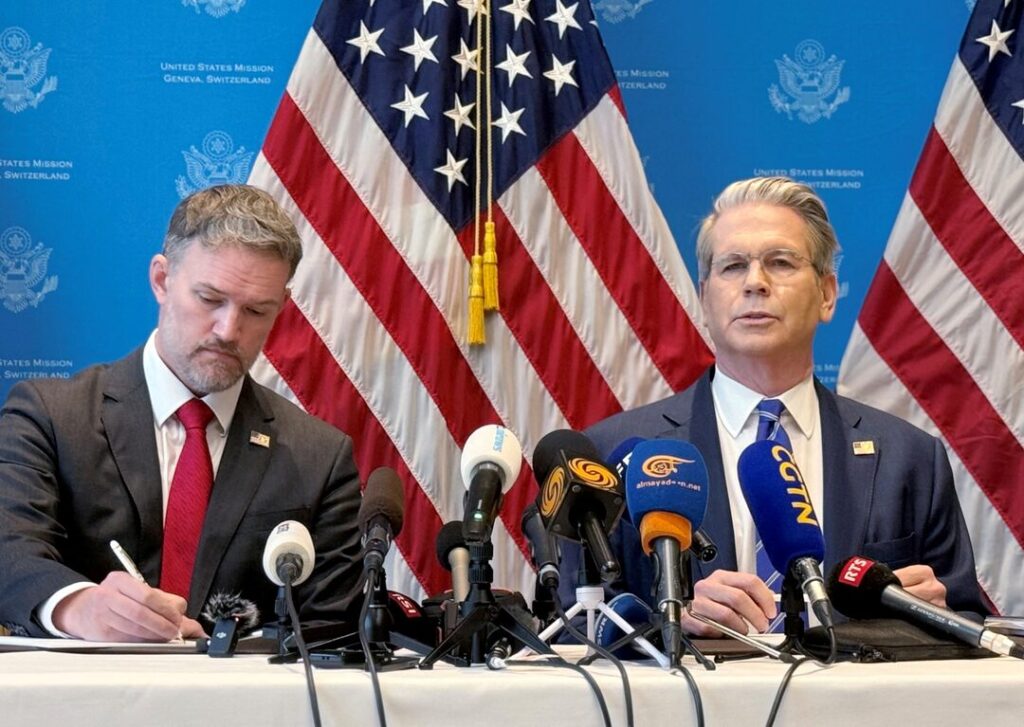
The talks, known as the Lake Geneva Summit, were instrumental in finalizing the trade agreement. U.S. Treasury Secretary Scott Bessent and US Trade Representative Jamieson Greer held a press briefing in Geneva to discuss the progress of the talks with China.
Lake Geneva Summit Details
The Lake Geneva Summit was characterized by intense diplomatic efforts. The venue’s neutrality played a significant role in facilitating open discussions between the two parties.
Scott Bessent’s Role in Facilitating Agreement
Scott Bessent’s diplomatic skills were crucial in navigating the complex negotiations. His statement during the press briefing highlighted the significance of the venue in maintaining a positive atmosphere.
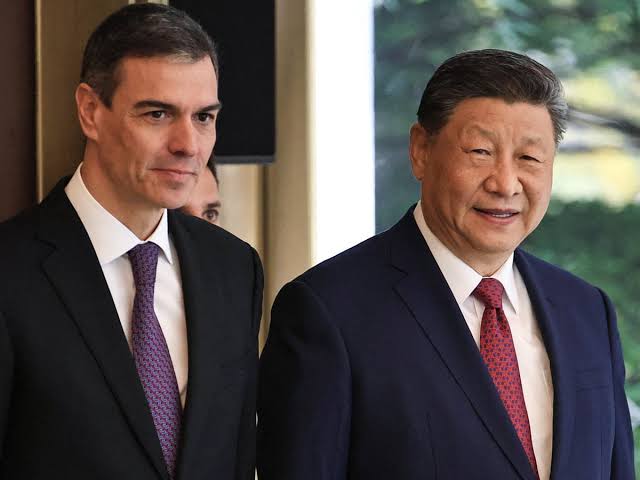
Behind-the-Scenes Diplomacy
Behind-the-scenes diplomacy played a vital role in reaching the trade agreement. The negotiations involved several rounds of discussions, with both sides working towards a mutually beneficial outcome.
| Key Aspects | Description |
|---|---|
| Venue | Lake Geneva |
| Key U.S. Representatives | Scott Bessent, Jamieson Greer |
| Outcome | Major Trade Deal |

From 125% to 10%: Understanding the Tariff Changes
In a significant development, the U.S. and China have reduced tariffs on each other’s goods, marking a crucial step in their trade negotiations. As Robert Lighthizer, the U.S. Trade Representative, noted, “This agreement represents a major step forward in our efforts to address the significant trade imbalance between the U.S. and China.”
The U.S. and China had previously imposed tariffs of up to 125% on each other’s imports, a move that had escalated the trade tensions between the two nations. However, as part of the new trade deal, these tariffs have been significantly reduced.
Previous Tariff Structure
The previous tariff structure was a result of the escalating trade tensions between the U.S. and China. The tariffs were imposed in stages, starting with a 25% tariff on Chinese goods, which was later increased to 125% on certain products. This move was met with retaliatory measures from China, resulting in a tariff war that affected global trade.
New Tariff Framework
The new tariff framework, as agreed upon by the U.S. and China, involves a reduction of tariffs from 125% to 10% on certain goods. This change is expected to ease trade tensions and provide relief to businesses affected by the previous tariffs. As
“The reduction in tariffs will help to stabilize trade between the two countries and provide a more predictable environment for businesses,”
said a spokesperson for the Chinese Ministry of Commerce.
The new framework also includes provisions for increased transparency and cooperation on trade issues, aiming to prevent future trade disputes.
Timeline for Implementation
The tariff reductions are set to be implemented over a 90-day period. During this time, both countries will work towards finalizing the details of the trade agreement. The timeline includes key milestones, such as:
- Immediate reduction of tariffs on certain goods
- Review and adjustment of the tariff structure within 90 days
- Implementation of new trade measures to promote fair trade practices
The 90-day timeline is seen as a critical window for both countries to demonstrate their commitment to the new trade deal and to work towards a more stable and predictable trade environment.
Historical Context: The U.S.-China Trade War Timeline
As the world’s two largest economies, the U.S. and China have been embroiled in a trade dispute that has far-reaching implications. The trade tensions between the U.S. and China have been escalating over the past few years, with both countries imposing tariffs on each other’s imports.
Origins of Trade Tensions
The roots of the trade war can be traced back to the significant trade deficit the U.S. has with China. The U.S. has long been concerned about its trade imbalance with China, which it attributes to unfair trade practices, including intellectual property theft and forced technology transfer.
In 2018, the U.S. imposed tariffs on Chinese goods worth billions of dollars, marking the beginning of the trade war. China retaliated with tariffs on U.S. imports, escalating the trade tensions.
Key Escalation Points
The trade war saw several key escalation points, including:
- The U.S. imposing tariffs on $360 billion worth of Chinese goods
- China retaliating with tariffs on $100 billion worth of U.S. goods
- The U.S. restricting Chinese companies’ access to American technology
These actions led to a significant increase in trade tensions, affecting global markets and economies.
Previous Attempts at Resolution
Despite the escalating tensions, there were several attempts to resolve the trade dispute. These included:
| Round | Date | Outcome |
|---|---|---|
| First Round | January 2019 | Initial agreement on tariff reduction |
| Second Round | February 2019 | Further negotiations on trade practices |
| Third Round | March 2019 | Temporary truce announced |
These attempts ultimately led to the recent 90-day tariff reduction agreement, marking a significant step towards resolving the trade war.

Economic Impact: What the China Trade Deal Means for U.S. Markets
The U.S.-China trade deal has sent ripples across global markets, with significant implications for the U.S. economy. As the details of the agreement unfold, investors and economists are closely examining the potential effects on U.S. markets.
Stock Market Reactions
The announcement of the trade deal led to immediate reactions in the stock market. Oil prices surged over 3% following the tariff pause between China and the US. Similarly, the Hang Seng Index in Hong Kong witnessed a significant rise, reflecting the positive sentiment among investors. The Dow Jones and S&P 500 also showed positive trends, as investors welcomed the news of reduced tariffs.
Currency Implications
The trade deal is expected to have notable currency implications. The value of the Chinese yuan against the U.S. dollar has shown stability following the announcement. This stability is crucial for trade between the two nations, as it reduces the risk associated with currency fluctuations. The U.S. dollar has also seen fluctuations, influenced by the changing landscape of U.S.-China trade relations.
Projected GDP Effects
Economists are projecting various GDP effects resulting from the trade deal. A reduction in tariffs is expected to boost U.S. GDP by reducing the costs for businesses and consumers. The table below summarizes the potential GDP effects based on different scenarios:
| Scenario | Projected GDP Growth | Tariff Reduction Impact |
|---|---|---|
| Optimistic | 0.5% increase | Significant reduction in tariffs on Chinese imports |
| Moderate | 0.2% increase | Partial reduction in tariffs |
| Pessimistic | 0.1% decrease | Limited tariff reductions |
The overall economic impact of the U.S.-China trade deal on U.S. markets is expected to be positive, with potential for growth in GDP and stability in currency markets. As the deal progresses, continued analysis will be necessary to fully understand its implications.
Consumer Benefits: Will Prices Drop After Tariff Reductions?
The new trade agreement between the U.S. and China has sparked hope among consumers that prices will drop as tariffs are reduced. The reduction in tariffs is expected to lead to lower prices for consumers, providing relief after a period of heightened trade tensions.
Expected Price Changes on Chinese Imports
With the tariffs imposed on Chinese imports being reduced, American consumers can anticipate potential price decreases on a variety of goods. The previous tariffs, which were as high as 25%, have been a significant factor in increased costs for both businesses and consumers. As these tariffs are lowered, companies may choose to pass the savings on to consumers.

Timeline for Consumer Price Relief
The timeline for consumer price relief is closely tied to the implementation schedule of the tariff reductions. As the tariffs are gradually reduced over the 90-day period, consumers may start to see price changes in the market.
Categories Most Likely to See Price Decreases
Certain categories of Chinese imports are more likely to see price decreases than others. These include:
- Electronics
- Apparel and textiles
- Furniture and home goods
Consumers in these markets may be among the first to benefit from the tariff reductions, potentially seeing lower prices on goods they regularly purchase.
Industry Winners and Losers Under the New Trade Deal
The 90-day tariff reduction deal between the U.S. and China will likely reshape the landscape for several industries. The agreement is expected to have varying impacts on different sectors.
The U.S.-China trade deal will have distinct effects on various industries. Some will benefit from the reduced tariffs, while others may face continued challenges.
Manufacturing Sector Outlook
The manufacturing sector, which has been significantly affected by the trade tensions, is likely to see some relief. Reduced tariffs on certain imports could lower production costs for manufacturers, potentially boosting their competitiveness in the global market. However, the extent of the benefits will depend on the specific products and materials affected by the tariff reductions.
Technology Industry Implications
The technology industry is another sector that could be impacted by the trade deal. Tariff reductions on Chinese tech imports could benefit U.S. companies that rely on these components for their products. However, concerns about intellectual property and competition from Chinese tech firms may continue to be a point of contention.
Agricultural Sector Benefits
The agricultural sector is expected to benefit from the trade deal, as China has agreed to increase its purchases of U.S. agricultural products. This could provide a much-needed boost to U.S. farmers, who have been hit hard by the trade tensions.
Overall, the impact of the trade deal will vary across different industries. While some sectors are likely to benefit from the reduced tariffs and increased market access, others may continue to face challenges.
China Trade Deal: U.S. China Trade Deal Trade Deal with China
As the U.S. and China ink a new trade deal, the global economic landscape is poised for a shift. The agreement represents a significant step forward in U.S.-China trade relations, with both countries agreeing to implement measures to promote balanced trade.
Chinese Economic Perspective
From the Chinese economic perspective, the trade deal is seen as a crucial step towards stabilizing the country’s export-driven economy. China has been grappling with the challenges posed by the trade war, including a decline in exports and economic growth. The new agreement is expected to provide a much-needed boost to Chinese businesses, enabling them to regain their footing in the global market.
U.S. Strategic Objectives
The U.S. strategic objectives behind the trade deal are multifaceted. On one hand, the agreement aims to address long-standing trade imbalances between the two nations. On the other, it seeks to establish a framework for future trade relations, one that balances competition and cooperation. The deal is a significant achievement for the U.S., as it opens up new avenues for American businesses to access the vast Chinese market.
Balancing Competition and Cooperation
A key aspect of the trade deal is the emphasis on balancing competition and cooperation. While the agreement addresses areas of contention, such as tariffs and market access, it also paves the way for collaboration in emerging sectors like technology and renewable energy. This balanced approach is crucial for the long-term sustainability of U.S.-China trade relations.
The trade deal is a positive development for both nations, marking a significant step towards a more stable and predictable trade environment. As the agreement is implemented, it is likely to have far-reaching implications for businesses, consumers, and the global economy as a whole.
Political Implications in Washington and Beijing
As the U.S. and China inked a major trade deal, the political reverberations are being felt in both capitals. The agreement has significant implications for the political landscapes in Washington and Beijing, influencing various stakeholders and their strategies.
Biden Administration’s Trade Strategy
The Biden Administration’s approach to trade with China is being closely watched. US Trade Representative Katherine Tai has emphasized a more nuanced strategy, focusing on specific sectoral issues rather than broad tariffs. This approach is seen as a departure from the previous administration’s more blanket tariff policies.
Chinese Leadership Response
Chinese leadership has responded cautiously to the trade deal, viewing it as a positive step but also recognizing the remaining challenges. The Chinese government has reiterated its commitment to continuing dialogue and cooperation with the U.S.
Congressional Reactions
Congressional reactions have been mixed, with some lawmakers welcoming the deal as a step towards stability, while others have expressed concerns about the remaining tariffs and the deal’s potential impact on U.S. industries.
The trade deal’s political implications are multifaceted, with various factors at play:
- The potential for further tariff reductions
- The impact on U.S.-China relations beyond trade
- The response of various industries to the new trade landscape
The evolving dynamics between Washington and Beijing will be crucial in determining the long-term success of the trade deal. As the situation continues to unfold, stakeholders on both sides will be watching closely.
Global Trade Ripple Effects: How Other Nations Are Affected
The U.S.-China trade deal is poised to send significant ripples across global trade landscapes. As the world’s two largest economies adjust their trade dynamics, other nations are likely to feel the impact.
European Union Response
The European Union, which has been “much slower” in its trade negotiations with the US, according to Scott Bessent, may need to reassess its strategy. The EU might face pressure to catch up with the U.S.-China trade agreement, potentially accelerating its own negotiations with the U.S.
Impact on Asian Trading Partners
Asian trading partners, heavily reliant on both U.S. and Chinese markets, could experience a mixed bag of outcomes. Some may benefit from trade diversion, while others might face challenges due to changes in global supply chains.
Opportunities for Third-Party Nations
Third-party nations may find new opportunities arising from the trade deal. For instance, countries like Vietnam and India could attract more U.S. imports, potentially boosting their economies. Key sectors likely to benefit include manufacturing and technology.
- Vietnam could see an increase in textile exports.
- India may experience growth in its IT sector.

The Fentanyl Factor: Why These Tariffs Remain in Place
As part of the U.S.-China trade agreement, tariffs related to fentanyl have become a focal point, highlighting the complexities of international drug enforcement. The U.S. imposed a 20% tariff on certain Chinese imports related to fentanyl, a move aimed at pressuring China to crack down on the production and distribution of this deadly drug.
The U.S. and China have agreed to implement measures to address the fentanyl crisis, a significant step given the drug’s impact on public health in the United States. Chinese fentanyl production has been a major concern, with the U.S. government pushing for stricter controls.
Despite the broader trade deal, which includes a 90-day tariff reduction, the tariffs related to fentanyl remain in place. This decision underscores the seriousness with which the U.S. government views the fentanyl crisis and its commitment to using economic leverage to achieve drug enforcement goals.
The retention of these tariffs highlights the complex interplay between trade policy and drug enforcement. It also reflects the U.S. strategy to use trade agreements as a tool to address broader security and health concerns.
By maintaining tariffs on fentanyl-related imports, the U.S. is continuing to pressure China to take concrete steps towards reducing fentanyl production and export. This move is part of a broader effort to combat the opioid crisis in the United States.
Business Strategy: How Companies Should Navigate the 90-Day Window
In light of the new trade deal between the U.S. and China, companies need to reassess their supply chains and pricing strategies within the next 90 days. The agreement provides a temporary reprieve from tariffs, giving businesses a critical window to adjust their operations.
Supply Chain Adjustments
Companies should start by reviewing their current supply chains to identify areas that can be optimized. This may involve renegotiating contracts with suppliers or exploring alternative sources for goods that were previously subject to tariffs.
A key consideration is the potential for disruptions in global supply chains. Companies must be prepared to adapt quickly to changes in demand or supply.
Pricing Strategy Recommendations
The 90-day window also presents an opportunity for companies to revisit their pricing strategies. Businesses may need to adjust prices to reflect changes in production costs or to remain competitive in the market.
A flexible pricing strategy can help companies navigate the uncertainties of the trade environment. Monitoring market trends and consumer behavior will be crucial in making informed pricing decisions.
Contingency Planning
Despite the temporary tariff reduction, companies should remain cautious and prepare for potential future changes in trade policies. Developing a robust contingency plan can help mitigate risks associated with trade uncertainties.
Key elements of a contingency plan include identifying potential risks, developing mitigation strategies, and establishing a responsive supply chain. Companies that are prepared for different scenarios will be better positioned to navigate future trade developments.
| Strategy | Action Items | Benefits |
|---|---|---|
| Supply Chain Adjustments | Renegotiate contracts, explore alternative sources | Cost savings, reduced dependency on single suppliers |
| Pricing Strategy | Adjust prices based on production costs, monitor market trends | Improved competitiveness, better profit margins |
| Contingency Planning | Identify risks, develop mitigation strategies, establish responsive supply chain | Risk mitigation, agility in response to trade changes |
Expert Analysis: Will the Deal Hold Beyond 90 Days?
As we near the end of the 90-day tariff reduction, the big question remains: can the U.S.-China trade deal stand the test of time? The agreement, aimed at promoting balanced trade between the two nations, has garnered significant attention from economists and policymakers alike.
Economic Forecasts
Economic forecasts suggest that the deal could have a positive impact on both countries’ economies. According to recent analyses, the reduction in tariffs is expected to boost U.S. exports and stabilize Chinese economic growth. However, some experts caution that the deal’s long-term success hinges on various factors, including the implementation of agreed-upon measures and the overall health of the global economy.
Political Sustainability Factors
The political sustainability of the deal is another crucial aspect being closely watched. Factors such as the upcoming U.S. elections and China’s political landscape will play significant roles in determining the agreement’s longevity. Analysts point out that a stable political environment in both countries is essential for the deal to hold beyond the initial 90-day period.
Key Indicators to Watch
Several key indicators will provide insight into the deal’s potential for long-term success. These include trade volume changes, market reactions, and the implementation progress of agreed-upon measures. Monitoring these indicators will be crucial in assessing whether the U.S.-China trade deal can endure beyond the 90-day milestone.
In conclusion, while the U.S.-China trade deal shows promise, its sustainability remains uncertain. Economic forecasts and political sustainability factors will be critical in determining its long-term viability.
What Happens After 90 Days? Possible Scenarios
As the 90-day milestone approaches, the U.S. and China are poised on the brink of a new chapter in their trade negotiations. The initial agreement has set a precedent, but the future remains uncertain.
The U.S. and China have agreed to negotiate further trade agreements, leaving room for various possibilities. The next steps will be crucial in determining the long-term impact of their trade relations.
Extension Possibilities
One potential scenario is an extension of the current agreement. This would allow both countries to continue the progress made so far and potentially iron out remaining issues.
An extension could provide a smoother transition to a more permanent agreement, giving both sides additional time to assess the impact of the initial deal.
Return to Higher Tariffs
Alternatively, if negotiations stall, there’s a possibility of reverting to the higher tariffs that were in place before the agreement. This would likely have significant implications for trade between the two nations.
A return to higher tariffs could lead to increased costs for consumers and businesses, potentially dampening economic growth.
Permanent Agreement Prospects
A more optimistic scenario is the negotiation of a permanent trade agreement. This would provide long-term stability and predictability for businesses and investors.
A permanent agreement could also pave the way for deeper economic cooperation between the U.S. and China, potentially leading to new opportunities for growth.
The table below summarizes the potential scenarios and their implications:
| Scenario | Implications | Potential Outcomes |
|---|---|---|
| Extension | Smoother transition, additional time for assessment | Continued progress, potential for further negotiations |
| Return to Higher Tariffs | Increased costs, potential economic slowdown | Trade reduction, economic strain |
| Permanent Agreement | Long-term stability, deeper economic cooperation | New growth opportunities, increased investor confidence |
Switzerland’s Role as Neutral Ground for Trade Diplomacy
The U.S.-China trade talks found a conducive environment in Geneva, Switzerland, highlighting the country’s pivotal role in international diplomacy. Switzerland’s long history of neutrality makes it an ideal venue for sensitive negotiations.
Why Lake Geneva Was Chosen
Lake Geneva was selected for the U.S.-China trade negotiations due to its serene and private setting, which allowed for discreet discussions. The location facilitated a relaxed atmosphere, conducive to productive dialogue between the parties involved.
Switzerland’s History in International Negotiations
Switzerland has a rich history of hosting international diplomatic negotiations. Its neutrality and stability have made it a preferred location for numerous high-profile talks. The country’s diplomatic infrastructure and confidentiality have been instrumental in fostering successful international agreements.
By providing a neutral ground, Switzerland continues to play a vital role in facilitating international diplomacy, including complex trade negotiations like those between the U.S. and China.
Conclusion: The Future of U.S.-China Trade Relations
The recent trade deal between the U.S. and China represents a significant step forward in us-china trade relations. The agreement to reduce tariffs over the next 90 days is expected to promote balanced trade and stimulate economic growth.
As the two nations move forward, the future of us-china trade appears to be heading towards greater cooperation. The trade agreement has the potential to ease tensions and foster a more collaborative environment, benefiting both countries.
The implications of this deal are far-reaching, with potential benefits for consumers, industries, and the global economy. As the U.S. and China continue to navigate their trade relationship, the success of this agreement will depend on the ability of both nations to work together and address outstanding issues, such as the fentanyl-related tariffs.
A stable and predictable trade environment is crucial for businesses and investors. The trade agreement between the U.S. and China is a positive development, and its impact will be closely watched in the coming months.
FAQ
What is the recent agreement between the U.S. and China regarding tariffs?
The U.S. and China have agreed to reduce tariffs for 90 days, marking a significant development in the ongoing trade negotiations between the two countries.
What are the key terms of the 90-day tariff reduction?
The key terms include a reduction in tariffs, but the specifics of the new tariff framework and the timeline for implementation are crucial for understanding the agreement’s impact.
Why did the U.S. keep fentanyl tariffs on China?
The U.S. maintained tariffs related to fentanyl due to ongoing concerns and negotiations between the U.S. and China on drug enforcement.
How much will tariffs drop under the U.S.-China agreement?
Tariffs are expected to drop significantly, with some tariffs decreasing from 25% to 10%, but the exact reductions vary depending on the specific goods.
How will the U.S.-China trade deal affect stock markets?
The trade deal is expected to positively impact stock markets by easing trade tensions and reducing uncertainty.
Will consumer prices drop after U.S.-China tariff cuts?
Consumer prices are likely to drop as a result of the tariff reductions, but the timeline for consumer price relief depends on various factors, including the implementation timeline and supply chain adjustments.
Which industries benefit most from the U.S.-China tariff pause?
Industries such as manufacturing, technology, and agriculture are expected to benefit from the tariff reductions, but the extent of the benefits varies depending on the specific industry and its reliance on Chinese imports.
Will the U.S.-China deal lower inflation in 2024?
The impact of the trade deal on inflation in 2024 is uncertain and depends on various factors, including the implementation of the agreement and global economic trends.
Did Trump’s policies influence the new China trade deal?
The previous administration’s policies and trade tensions contributed to the context in which the new trade deal was negotiated.
What is the Biden Administration’s stance on the U.S.-China tariff agreement?
The Biden Administration has expressed support for the trade deal, but the specifics of their trade strategy and its implications for U.S.-China relations are still evolving.
Why was Switzerland chosen for U.S.-China trade talks?
Switzerland was chosen as a neutral ground for trade diplomacy, leveraging its history of hosting international negotiations, including those at Lake Geneva.
What happens after the 90-day U.S.-China tariff pause?
Possible scenarios include an extension of the tariff pause, a return to higher tariffs, or a permanent agreement, depending on the progress of the trade negotiations and the positions of both countries.
Could China retaliate if tariffs return?
China has the potential to retaliate if tariffs are reinstated, which could escalate trade tensions once again.
How should U.S. exporters prepare for China tariff changes?
U.S. exporters should adjust their supply chains, pricing strategies, and contingency planning to navigate the changing tariff landscape.
Will the U.S.-China deal help small businesses?
The trade deal has the potential to benefit small businesses by reducing tariffs and increasing market access, but the extent of the benefits depends on the specifics of the agreement and its implementation.
What are the alternatives to China if tariffs return?
Companies may explore alternative suppliers or production locations if tariffs are reinstated, but this depends on various factors, including the availability of alternative sources and the feasibility of supply chain adjustments.
Will Congress approve the U.S.-China tariff deal?
Congressional approval or reaction to the trade deal will depend on various factors, including the specifics of the agreement and the political dynamics in Washington.