




























Vikram Misri Online Attacks: Political Backlash and Government Silence
Indian Foreign Secretary Vikram Misri has become the target of vicious online harassment following his announcement of a ceasefire agreement between India and Pakistan. The diplomat, who served as the face of India’s diplomatic response during Operation Sindoor, was forced to make his social media accounts private after trolls labeled him a “traitor” and targeted his family with personal attacks.

The online abuse has sparked condemnation from opposition leaders while government officials have remained notably silent. This incident raises serious questions about the treatment of civil servants implementing executive decisions during sensitive diplomatic situations.

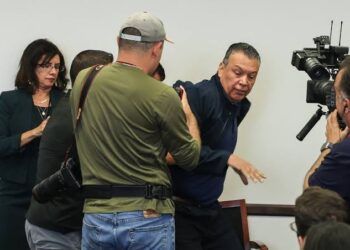
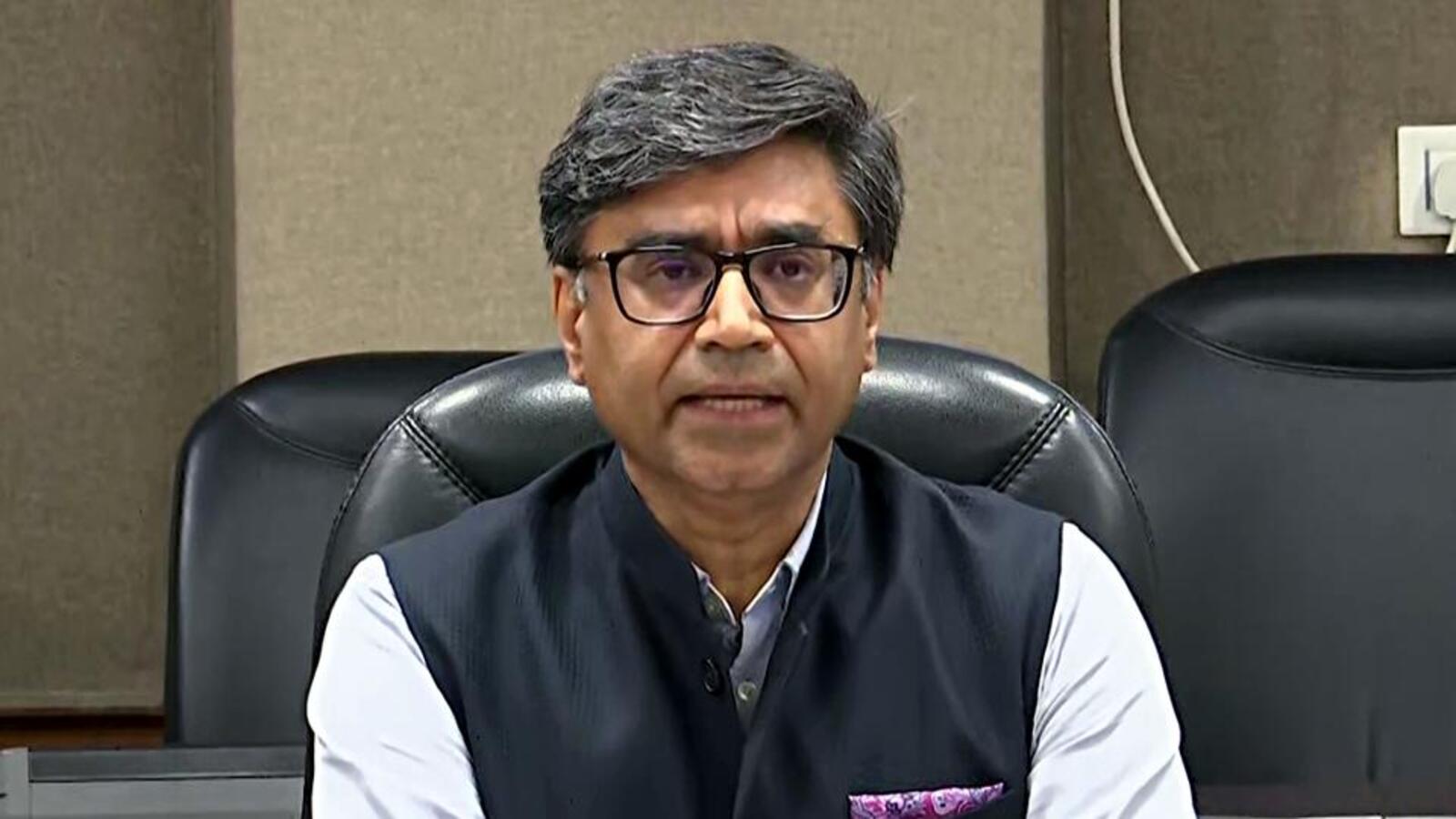
Foreign Secretary Vikram Misri announcing the India-Pakistan ceasefire agreement on May 11, 2025
Background: Operation Sindoor and Diplomatic Tensions
The controversy stems from India’s military operation against Pakistan following a terror attack in Pahalgam on April 22, 2025. Operation Sindoor was launched on May 7, with India conducting missile strikes on nine targets in Pakistan and Pakistan-occupied Kashmir.
As Foreign Secretary, Misri delivered measured statements during government briefings, maintaining a professional diplomatic tone throughout the four-day military standoff. On May 11, following US-mediated talks, Misri announced that both countries had agreed to a ceasefire.

Nature of Online Attacks Against Vikram Misri
Hours after the ceasefire announcement, right-wing social media accounts began targeting Misri with coordinated attacks. Trolls dug up old photographs of Misri with his family and posted abusive comments, calling him a “traitor” for allegedly “offering his head to Pakistan” and “throwing away India’s military advantage.”
The harassment extended to Misri’s daughter, with trolls sharing her personal information, including contact details and professional background. Some accounts specifically targeted her previous work with the United Nations High Commission for Refugees in Myanmar, accusing her of providing legal aid to Rohingya Muslims.

“Why is no action taken against this repeat vile doxxer of women? Chandan Kumar Singh needs to go to jail.”
Journalist Mohammed Zubair identified one of the first accounts to target Misri and noted that this was part of a pattern of coordinated harassment that had previously targeted other individuals. The intensity of the attacks ultimately forced Misri to lock his social media accounts.
Political Leaders Condemn the Harassment
Several opposition leaders have spoken out against the online abuse directed at Misri, emphasizing that civil servants should not be blamed for decisions made by political leadership.

Asaduddin Owaisi (AIMIM)
“Mr Vikram Misri is a decent and an Honest Hard working Diplomat working tirelessly for our Nation. Our Civil Servants work under the Executive this must be remembered & they shouldn’t be blamed for the decisions taken by The Executive /or any Political leadership running Watan E Aziz.”

Congress Kerala Unit
“Last week, Modi bhakts launched a vicious character assassination campaign against Ms Himanshi Narwal, the widow of a soldier and officer, simply because she appealed for ‘no hate, no violence’. Now, they’re targeting Foreign Secretary Vikram Misri… Modi is now grappling with the Frankenstein’s monster he created in the form of the IT Cell.”

“The abuse towards Vikram Misri & his daughter is an eye-opener. Calling this hate ‘Nationalism’ is the biggest lie of our time. For a decade, patriots, soldiers, scholars, diplomats have been attacked for rejecting bloodlust. Right Wing hate engine is India’s real threat & this rot must end before it ends us.”
Notable Silence from Government Officials
Despite the widespread condemnation from opposition leaders, there has been a conspicuous silence from government officials regarding the attacks on Misri. Neither External Affairs Minister S. Jaishankar nor any other BJP leaders have publicly defended the Foreign Secretary.
This silence is particularly notable given that Misri was appointed by the current administration and has been representing the government’s official position throughout the military standoff with Pakistan.

Former External Affairs Minister Salman Khurshid expressed dismay in an interview: “We can say without hesitation that these three (Misri, Colonel Qureshi, Wing Commander Singh) have been a remarkable face of our determination, the clarity of purpose, the determination and the sense of confidence they gave. There are people in the country who will troll anybody for decisions taken at a higher level… Putting pressure on officers in this way is very sad.”
Implications for Civil Servants and Democratic Discourse
The targeting of Vikram Misri highlights a troubling trend where civil servants implementing executive decisions face personal attacks. This raises concerns about the impact on bureaucratic independence and the willingness of officials to make difficult but necessary decisions.
Role of Civil Servants
- Implement executive decisions, not make them
- Provide professional expertise and institutional memory
- Maintain diplomatic protocols regardless of political changes
- Serve the nation, not specific political interests
Dangers of Targeting Officials
- Discourages talented individuals from public service
- Undermines diplomatic credibility internationally
- Blurs lines between political and administrative roles
- Creates toxic environment for rational policy discourse
Former diplomat Navdeep Suri commented: “It is absolutely disgusting to see the trolls target Foreign Secretary Vikram Misri and his family. He has been a picture of professionalism — calm, composed, measured and articulate. But that’s not enough for the bloodlust of a section of our society. Shameful.”

Key Takeaways from the Vikram Misri Trolling Incident

Executive Responsibility
Diplomatic decisions like ceasefires are executive actions approved at the highest levels of government, not unilateral moves by bureaucrats.

Toxic Online Nationalism
The rising toxicity of online nationalism has led to targeting families of officials, creating a dangerous environment for public servants.

Leadership Silence
The BJP leadership’s silence on abuse of its own appointees raises questions about political responsibility and protection of civil servants.
Frequently Asked Questions
Why was Vikram Misri targeted online?
Vikram Misri was targeted because he announced the ceasefire agreement with Pakistan following Operation Sindoor. Some nationalist social media users perceived this as a concession to Pakistan and blamed Misri personally, despite the fact that such decisions are made at the highest levels of government, not by individual diplomats.
What is Operation Sindoor?
Operation Sindoor was India’s military response to a terror attack in Pahalgam on April 22, 2025. Launched on May 7, it involved missile strikes on nine targets in Pakistan and Pakistan-occupied Kashmir. The operation led to a four-day military standoff before a US-mediated ceasefire was announced.
How did political parties react to the trolling of Vikram Misri?
Opposition leaders including AIMIM’s Asaduddin Owaisi, Congress, and PDP’s Mohit Bhan condemned the trolling, emphasizing that civil servants should not be blamed for executive decisions. However, government officials and BJP leadership have remained notably silent on the issue.
Why is the BJP leadership silent about the attacks on Misri?
The BJP leadership’s silence has been interpreted by critics as reluctance to confront their own support base, particularly online nationalist groups. Congress has characterized this as the BJP “grappling with the Frankenstein’s monster” it created in the form of its IT Cell, suggesting the party is unable to control the online narrative it helped foster.
The Way Forward: Protecting Civil Servants in Democratic Discourse
The online attacks against Vikram Misri represent a concerning trend in India’s political discourse. Civil servants, who implement rather than make policy decisions, should be protected from personal attacks that can undermine their ability to perform their duties effectively.
As India navigates complex diplomatic challenges, it is essential to maintain a clear distinction between political disagreements and personal attacks on officials. The silence from government leadership on this issue leaves a vacuum that could normalize such behavior and discourage talented individuals from entering public service.