






























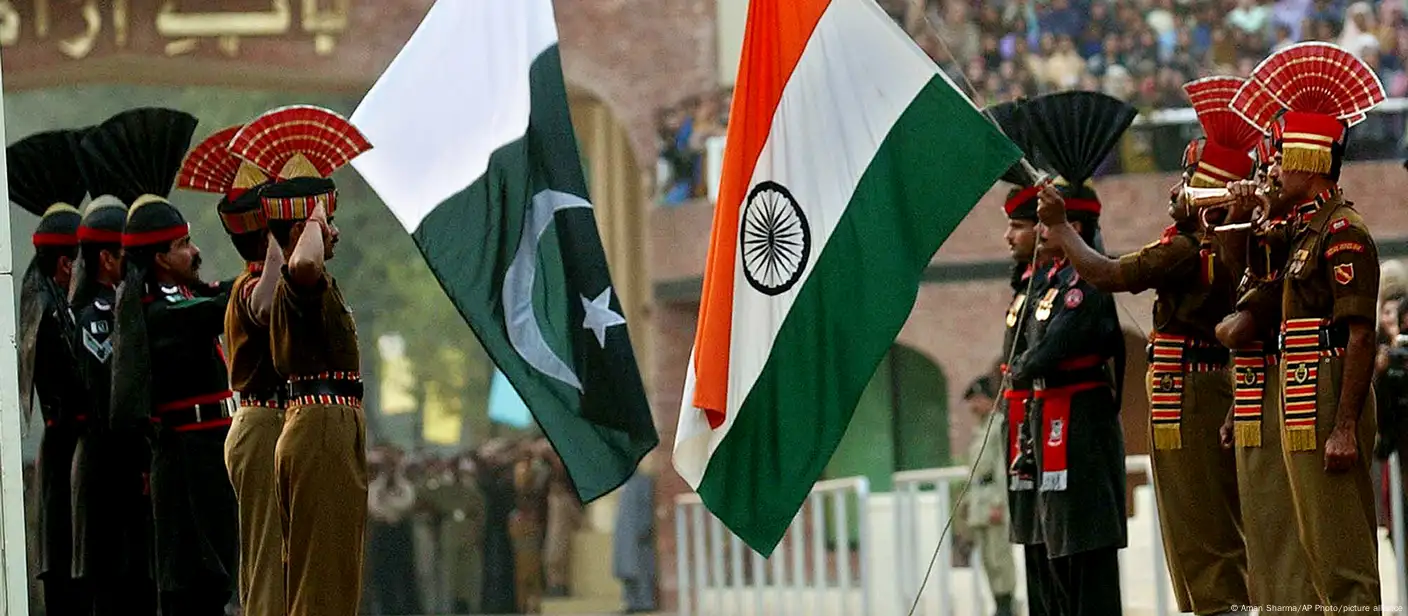
Tensions between India and Pakistan escalated recently after a ceasefire violation along the Line of Control (LoC). According to reports, Pakistan initiated firing, prompting a retaliation from the Indian forces.


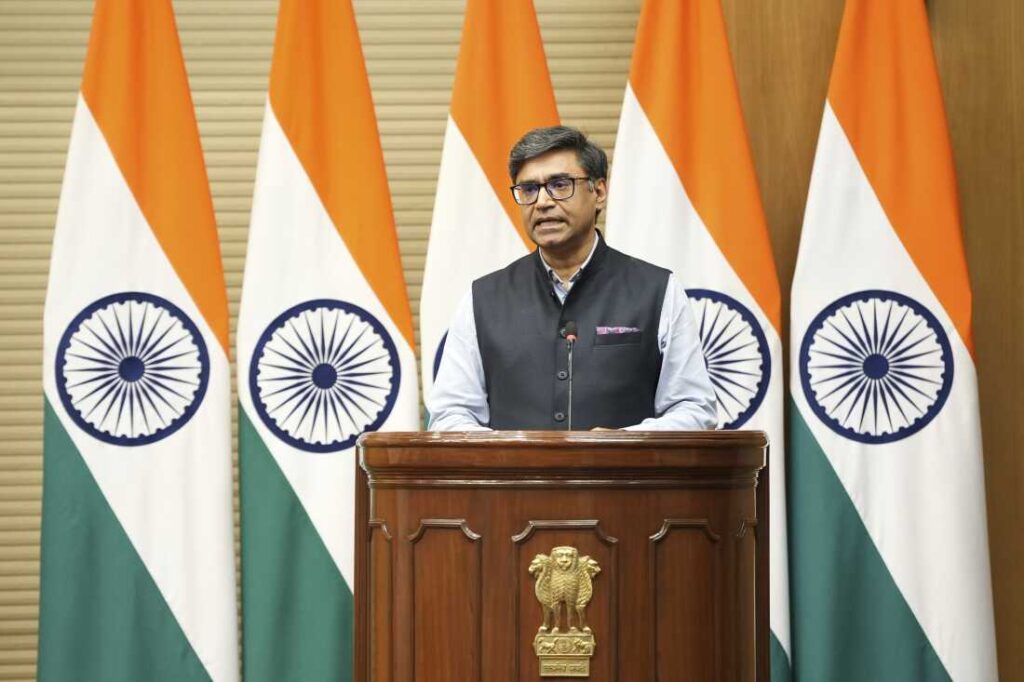
Indian Foreign Secretary Vikram Misri confirmed that there had been repeated violations of the understanding between the two nations regarding the ceasefire. He directly accused Pakistan of breaching the agreement, leading to the current escalation.
The situation remains volatile, with both sides engaging in heavy firing. The DGMO Indian Army has been actively involved in the communications and actions taken in response to the ceasefire violation.
Key Takeaways
- The ceasefire between India and Pakistan was violated within hours of its initiation.
- Indian forces retaliated after Pakistan’s unprovoked firing across the LoC.
- Indian Foreign Secretary Vikram Misri accused Pakistan of breaching the ceasefire agreement.
- The situation along the LoC remains tense with ongoing firing.
- The DGMO Indian Army played a key role in responding to the ceasefire violation.


Breaking: Pakistan Violates Ceasefire Within Hours of Agreement
In a shocking turn of events, Pakistan broke the ceasefire within hours of agreeing to a truce with India. The fragile peace was short-lived as Pakistan initiated a series of aggressive actions along the Line of Control.
Timeline of Saturday’s Escalation
The escalation began on Saturday when two gates of the Baglihar dam were opened, and residents reported loud explosions in Srinagar and Jammu, followed by a blackout in the two cities. Omar Abdullah, the region’s top elected official, expressed his shock on social media: “What the hell just happened to the ceasefire? Explosions heard across Srinagar!!!“
The sequence of events indicates a coordinated effort by Pakistan to disrupt the ceasefire agreement. The DGMO of India was quick to respond to these violations, highlighting the seriousness of the situation.
Drone Strikes Across Line of Control
Reports indicate that Pakistan violated the ceasefire through drone strikes across the Line of Control. This move was seen as a significant escalation and prompted a strong response from Indian forces.
The use of drones in this context marks a new level of aggression, complicating the efforts to maintain peace along the border. The international community is watching closely, with some calling for restraint from both sides.
Initial Indian Military Response
The Indian military was swift in its response to Pakistan’s actions. The DGMO of India issued a statement condemning the ceasefire violation and affirming India’s commitment to defending its territory.
| Event | Date | Response |
|---|---|---|
| Pakistan violates ceasefire | Saturday | Indian forces retaliate |
| Drone strikes across LOC | Saturday | Indian military responds strongly |
| Baglihar dam gates opening | Saturday | India expresses concern |
As the situation continues to unfold, the international community remains concerned. A recent Donald Trump tweet called for calm, emphasizing the need for diplomatic resolution.
The coming days will be crucial in determining whether the ceasefire can be reinstated or if the conflict will escalate further.
Details of the Ceasefire India Pakistan Agreement and Its Violation
The India-Pakistan ceasefire agreement, brokered by the US, aimed to reduce tensions along the border. This agreement was a significant step towards stabilizing the region, with both sides agreeing to “stop all firing and military action from land, air, and sea” starting at 5 p.m. local time.

Terms of the Recent Ceasefire Agreement
The terms of the ceasefire agreement were clear: both India and Pakistan were to halt all military operations. Indian Foreign Secretary Vikram Misri emphasized that instructions were given on both sides to give effect to this understanding, indicating a mutual commitment to de-escalation.
Key provisions included:
- Cessation of all firing and military action
- Immediate effect from 5 p.m. local time
- Coverage of land, air, and sea operations
How and Where Pakistan Broke the Truce
Despite the agreement, Pakistan violated the ceasefire within hours. According to reports, Pakistan initiated firing along the Line of Control (LoC), prompting a response from Indian forces. The violation was a significant breach of the understanding reached between the two nations.
“The violation by Pakistan is a clear indication of their intent to continue aggressive actions despite diplomatic efforts to reduce tensions.”
Official Confirmation of Violations
The violation was officially confirmed by Indian authorities. The Director General of Military Operations (DGMO) of India and Pakistan had communicated regarding the ceasefire, but Pakistan’s actions undermined the agreement. The Indian government strongly condemned Pakistan’s actions, emphasizing the need for adherence to the ceasefire.
The situation remains tense, with both sides on high alert. The international community is watching closely, urging restraint and a return to diplomatic negotiations.
Indian Forces’ Retaliatory Actions
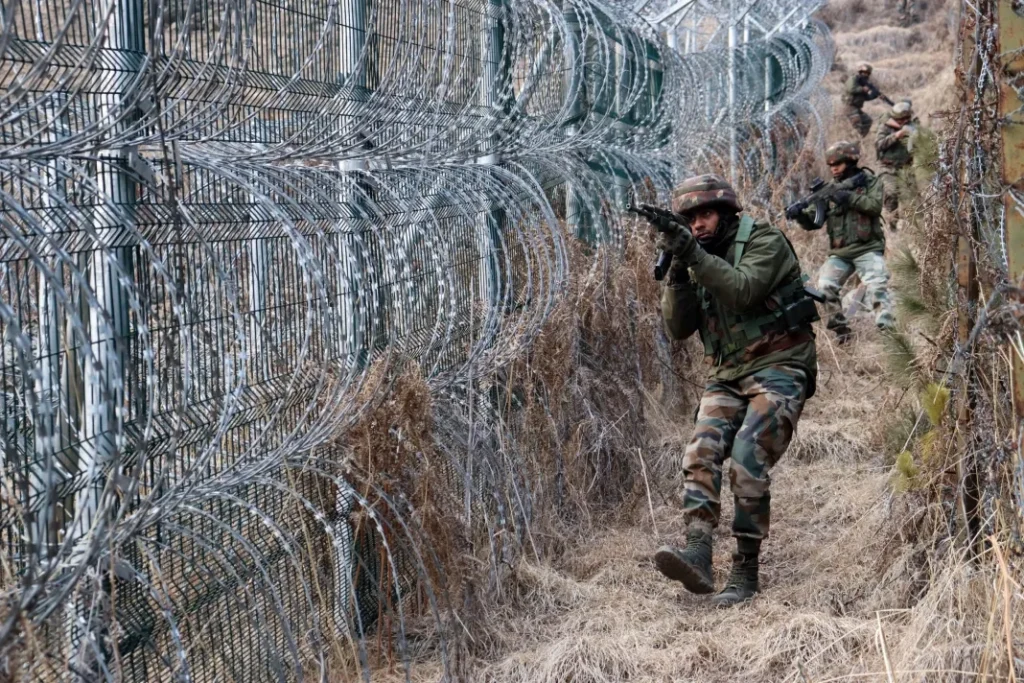
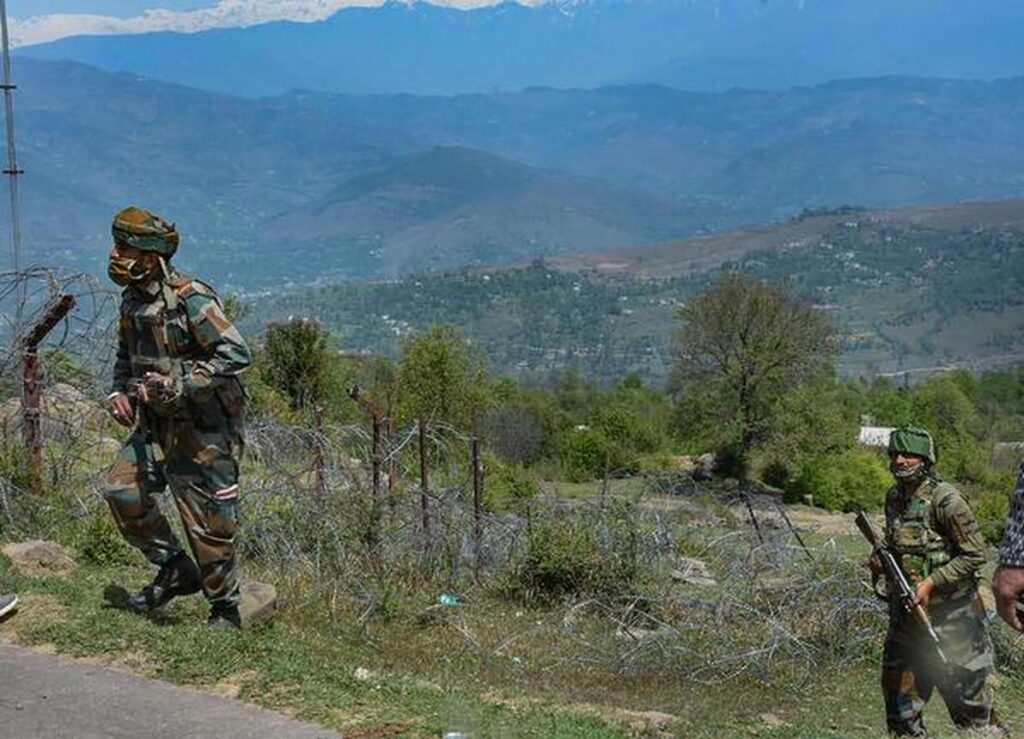
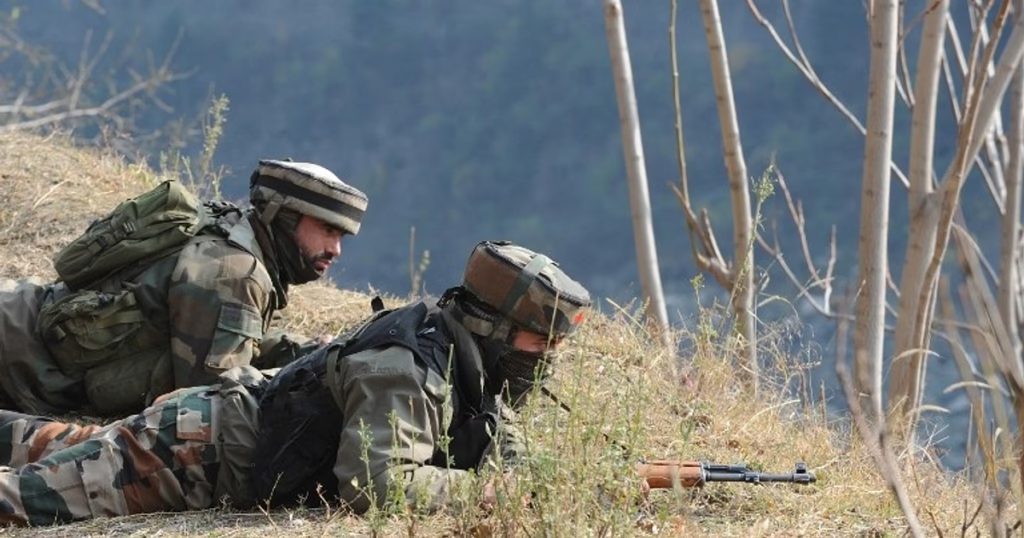
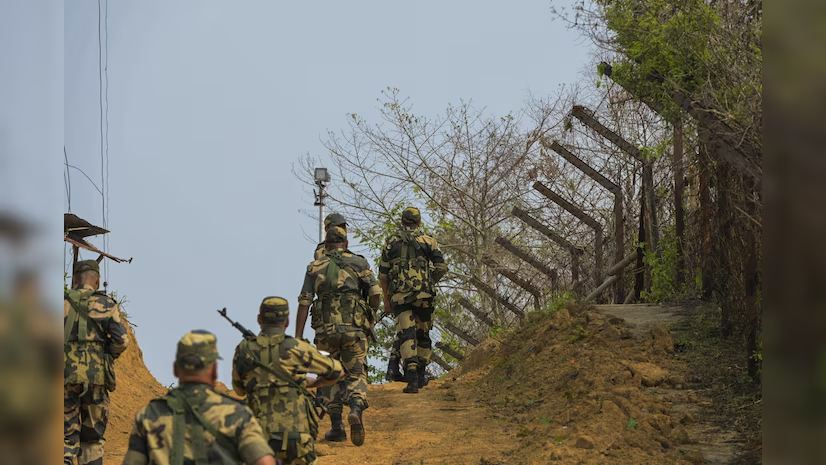
Indian forces have retaliated against Pakistan’s ceasefire violation, maintaining strict vigilance along the border. The retaliatory actions were confirmed by Indian authorities, who stated that Indian forces were directed to give a firm response to any further ceasefire breaches along the Line of Control (LoC) and the international border.
Military Operations Along the Border
According to Foreign Secretary Vikram Misri, Indian forces were already retaliating against the latest cross-border attack. The armed forces are maintaining strict vigilance, and instructions have been issued to deal strongly with any further violations.
The military operations along the border are being closely monitored, with a focus on preventing any additional ceasefire breaches. The Indian military has been proactive in responding to Pakistan’s actions, ensuring that the situation does not escalate further.
Statement from Indian DGMO
The Director General of Military Operations (DGMO) of the Indian Army has confirmed that Indian forces have taken retaliatory actions against Pakistan’s ceasefire violation. The DGMO’s statement emphasized the Indian military’s commitment to responding firmly to any further ceasefire breaches.
Current Deployment Status
The current deployment status of Indian forces is on high alert, with strict vigilance being maintained along the LoC and the international border. The Indian military is fully prepared to respond to any additional provocations from Pakistan.
- Indian forces are maintaining a high level of alertness along the border.
- Strict instructions have been issued to deal strongly with any further ceasefire violations.
- The Indian military is closely monitoring the situation to prevent any escalation.
The Indus Waters Treaty Crisis
The Indus Waters Treaty, once a symbol of cooperation, is now at the center of a growing crisis between India and Pakistan. The treaty, signed in 1960, has been a cornerstone of water sharing between the two nations. However, recent events have strained its viability.
India’s Decision to Put Treaty in Abeyance After Pahalgam Attack
Following the Pahalgam attack, India decided to put the Indus Waters Treaty in abeyance. This decision has significant implications for the water-sharing agreement between the two countries. The treaty’s abeyance indicates a severe strain on the relationship between India and Pakistan.
Baglihar Dam Gates Opening: Timing and Impact
The Baglihar dam, a crucial component of India’s hydroelectric projects on the Chenab River, has been a point of contention. Recently, two gates of the dam were opened to regulate rising water levels due to heavy rainfall. The gates remained open from around 8:30 am till 4:30 pm.

Water Rights Under the Treaty
The Indus Waters Treaty allocates water rights between India and Pakistan. While India has the right to use the waters of the Chenab River for certain purposes, Pakistan has concerns about the impact of Indian projects on its water supply.
Rising Chenab River Levels
The recent heavy rainfall in the region led to a significant rise in the Chenab River levels. This rise necessitated the opening of the Baglihar dam gates to prevent any potential damage.
| Dam | River | Gates Opened | Reason |
|---|---|---|---|
| Baglihar Dam | Chenab River | 2 gates | Rising water levels due to heavy rainfall |
The situation highlights the complexities of water management under the Indus Waters Treaty. As tensions between India and Pakistan continue, the treaty’s future remains uncertain.
What is Ceasefire and Its Historical Context Between India-Pakistan
Understanding the concept of ceasefire is essential in analyzing the ongoing conflict between India and Pakistan. A ceasefire agreement is a temporary or permanent agreement between warring parties to stop military operations, often facilitated by a third-party mediator.
Definition and Purpose of Ceasefire Agreements
A ceasefire is designed to halt hostilities, creating a conducive environment for diplomatic negotiations. In the context of India and Pakistan, ceasefire agreements have been crucial, particularly concerning the disputed region of Kashmir.
Previous Major Ceasefire Agreements
The history of ceasefire agreements between India and Pakistan dates back to the Indo-Pakistani War of 1947. Significant agreements include the Karachi Agreement in 1949 and the Simla Agreement in 1972. More recently, a ceasefire along the Line of Control (LoC) was announced after US mediation efforts.
Patterns of Violation and Compliance
Despite these agreements, violations have been a recurring issue. The table below summarizes the patterns of ceasefire violations since 2003:
| Year | No. of Violations | Casualties |
|---|---|---|
| 2003 | 71 | 15 |
| 2010 | 162 | 30 |
| 2018 | 292 | 45 |
| 2022 | 245 | 38 |
The historical context and patterns of violation highlight the complexity of maintaining a ceasefire between India and Pakistan. Understanding these dynamics is crucial for analyzing the current situation and potential future developments.
Casualties and Damage Assessment from Current Violations
In the aftermath of Pakistan’s ceasefire violation, both military personnel and civilians have been affected. The Indian forces have been directed to give a firm response to any further ceasefire breaches along the Line of Control (LoC) and the international border.
Military Personnel Affected
Reports indicate that there have been casualties among the military personnel stationed along the border. The exact number of casualties is being assessed, but it is confirmed that the Indian military has taken measures to strengthen its position.
Civilian Impact in Border Regions
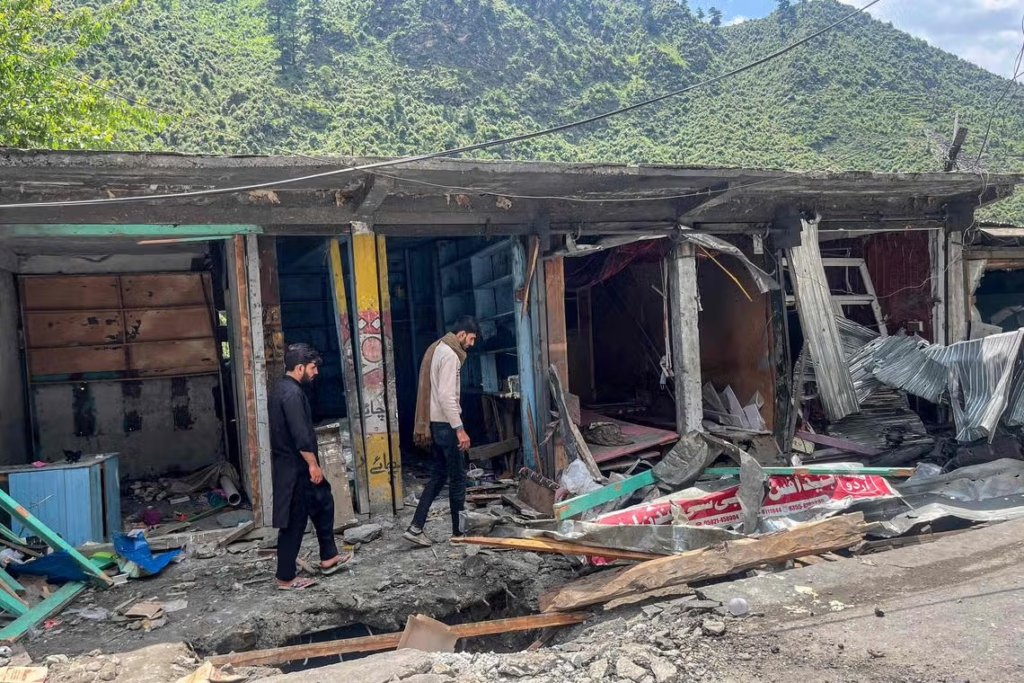
The ceasefire violation has also had a significant impact on civilians living in the border regions. Loud blasts were heard in Jammu city, leading to a complete blackout shortly after Indian forces thwarted Pakistani attempts to hit military targets near the border. Civilians have been advised to remain cautious and follow safety protocols.
Infrastructure and Property Damage
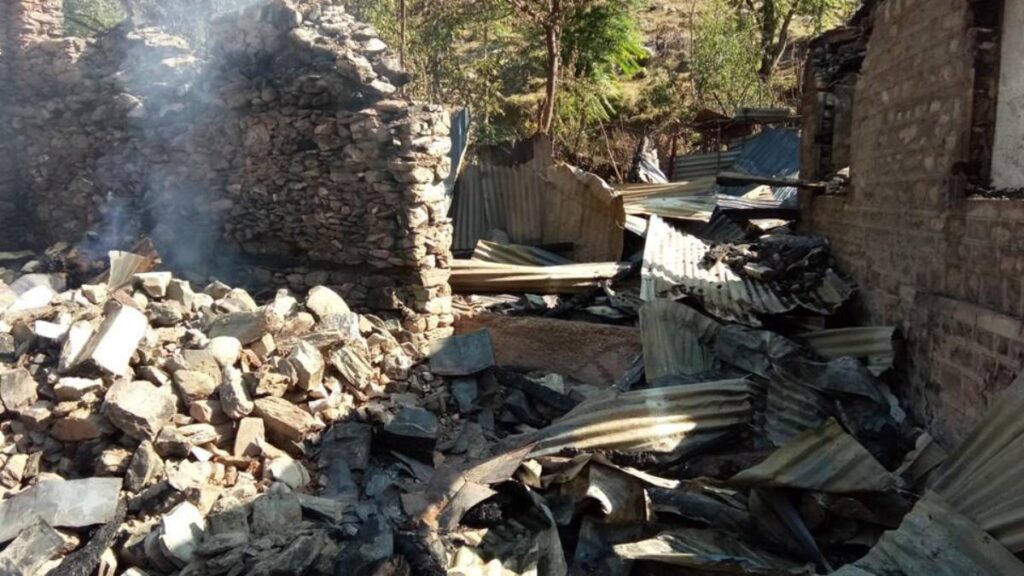
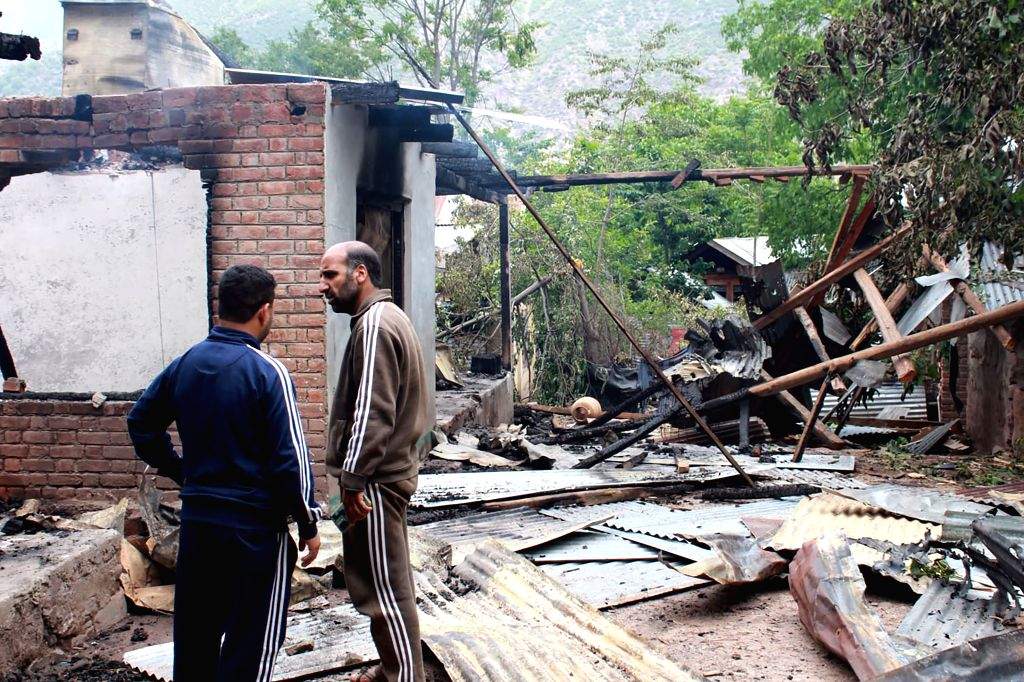
The recent escalation has resulted in damage to infrastructure and property in the affected areas. An assessment is ongoing to determine the extent of the damage. Reports suggest that several buildings and structures near the border have been impacted.

The situation remains tense, with both sides on high alert. The Indian government has assured that all necessary measures are being taken to protect both military personnel and civilians. The international community is closely monitoring the situation, awaiting a de-escalation of tensions.
Official Statements from Both Nations
Official statements from India and Pakistan have shed light on their respective stances regarding the recent ceasefire violation. The exchange of statements highlights the tension between the two nations and their positions on the matter.
Indian Government’s Position
The Indian government has strongly condemned Pakistan’s actions, with Foreign Secretary Vikram Misri stating that Indian forces were already retaliating against the latest cross-border attack. This stance underscores India’s firm response to what it perceives as aggression from Pakistan.
Pakistan’s Official Response
In contrast, Pakistan officials have denied violating the ceasefire, instead accusing India of committing violations in “some areas.” Pakistan’s Foreign Ministry spokesperson emphasized that its troops were “handling the situation with responsibility and restraint,” reflecting Pakistan’s narrative on the incident.
Military Communications Between DGMOs
Military communications between the Directors-General of Military Operations (DGMOs) of both nations have been ongoing. These communications are crucial in managing the situation and preventing further escalation.
| Nation | Official Statement | Key Points |
|---|---|---|
| India | Condemned Pakistan’s actions | Retaliation against cross-border attack |
| Pakistan | Denied ceasefire violation | Accused India of violations; handled situation with restraint |
The official statements from both nations provide insight into their positions on the ceasefire violation, highlighting the ongoing tensions and diplomatic efforts to manage the situation.
International Reactions to the Renewed Hostilities
Renewed hostilities along the India-Pakistan border have prompted a swift reaction from the international community, with multiple countries weighing in on the situation. The escalating tensions have raised concerns about regional stability and the potential for further conflict.
United Nations Response
The United Nations has expressed deep concern over the recent violence, calling for an immediate cessation of hostilities. The UN Secretary-General has urged both nations to adhere to the ceasefire agreement and engage in diplomatic efforts to resolve their differences.
U.S. and Western Powers’ Statements
The U.S. has played a key role in mediating the conflict, with US Secretary of State Marco Rubio engaging with senior officials from both India and Pakistan. According to reports, Rubio and Vice President JD Vance discussed the ceasefire and proposed talks on a broad set of issues at a neutral site. The U.S. President, Donald Trump, has also commented on the situation, expressing alarm over the worsening scenario and advocating for restraint.
Regional Powers’ Positions
Regional powers, including China and Russia, have also taken positions on the conflict. China has historically maintained close ties with Pakistan and has called for a peaceful resolution, while Russia has urged both nations to avoid further escalation. The positions of these regional powers highlight the complex geopolitical dynamics at play.
The international community’s response underscores the importance of maintaining peace and stability in the region. As the situation continues to unfold, diplomatic efforts are likely to intensify, with a focus on preventing further violence and promoting a negotiated settlement.
- The United Nations has called for an immediate ceasefire.
- The U.S. is actively mediating between India and Pakistan.
- Regional powers like China and Russia are advocating for peace.
Analysis of Ceasefire Violation Patterns Since 2003
Analyzing ceasefire violations since 2003 provides valuable insights into the patterns and triggers of these incidents along the India-Pakistan border. The rivalry between India and Pakistan over the Himalayan region of Kashmir has been ongoing for decades, with both nations claiming the territory in its entirety.
Statistical Trends of Violations
The statistical analysis of ceasefire violations since 2003 reveals a concerning trend. There has been a steady increase in violations over the years, with some periods witnessing a significant spike in incidents. Data indicates that ceasefire violations have resulted in substantial human suffering, including loss of life and displacement.
Seasonal and Political Triggers
Observations suggest that seasonal factors, such as heightened military activity during certain times of the year, and political triggers, including elections and diplomatic tensions, often correlate with increased ceasefire violations. Understanding these triggers is crucial for predicting and potentially mitigating future incidents.
Comparison with Current Situation
Comparing historical patterns with the current situation highlights the ongoing challenges in maintaining the ceasefire. The recent violations, occurring shortly after a US-mediated agreement, underscore the fragility of the peace process. The current situation mirrors past trends, where periods of relative calm were followed by escalations.
The analysis of ceasefire violation patterns since 2003 underscores the need for continued diplomatic efforts to address the underlying issues driving these incidents. By understanding the statistical trends, seasonal and political triggers, and comparing these with the current situation, stakeholders can work towards a more sustainable peace.
Strategic Implications for Regional Security
The ongoing tensions between India and Pakistan have substantial strategic implications that affect regional security dynamics. The recent ceasefire violation has heightened tensions, bringing the region to the brink of escalation.
Short-term Military Risks
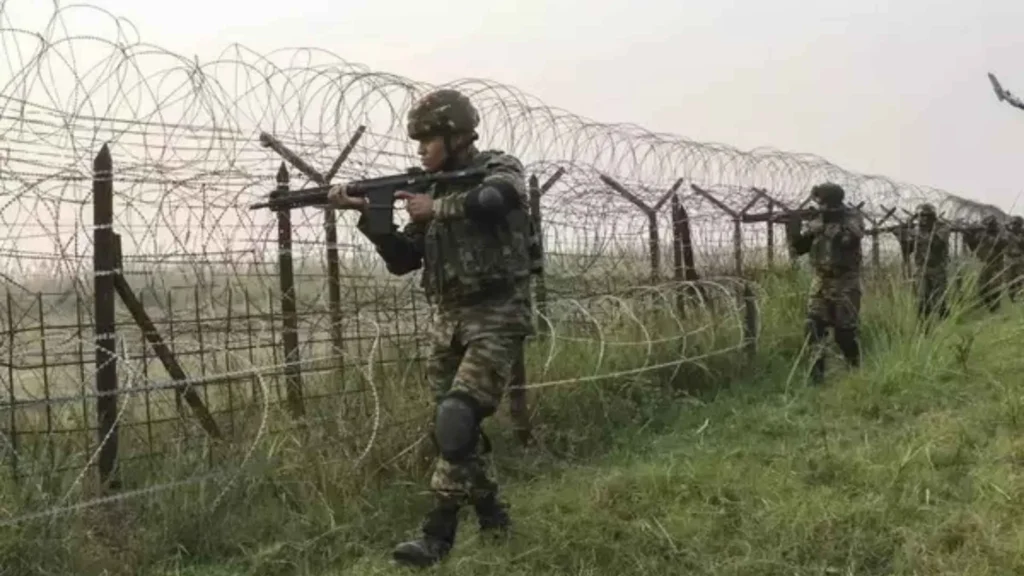
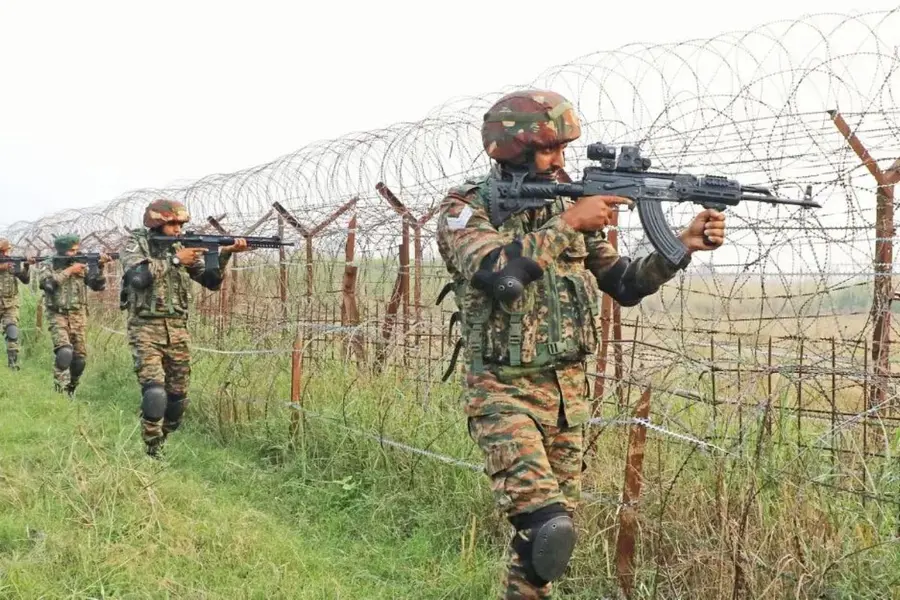
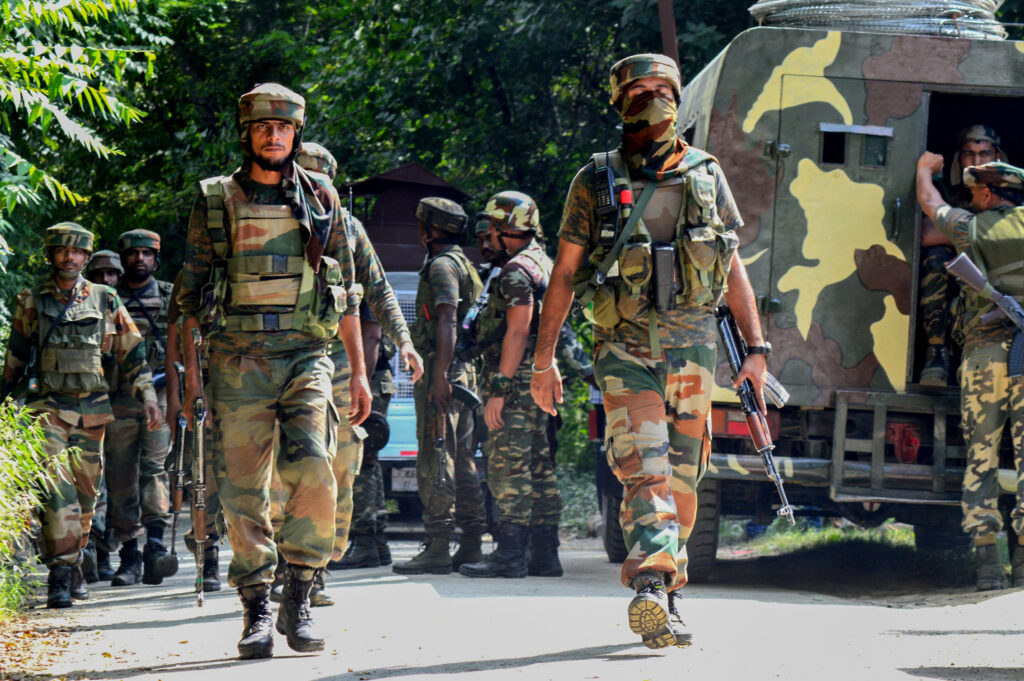
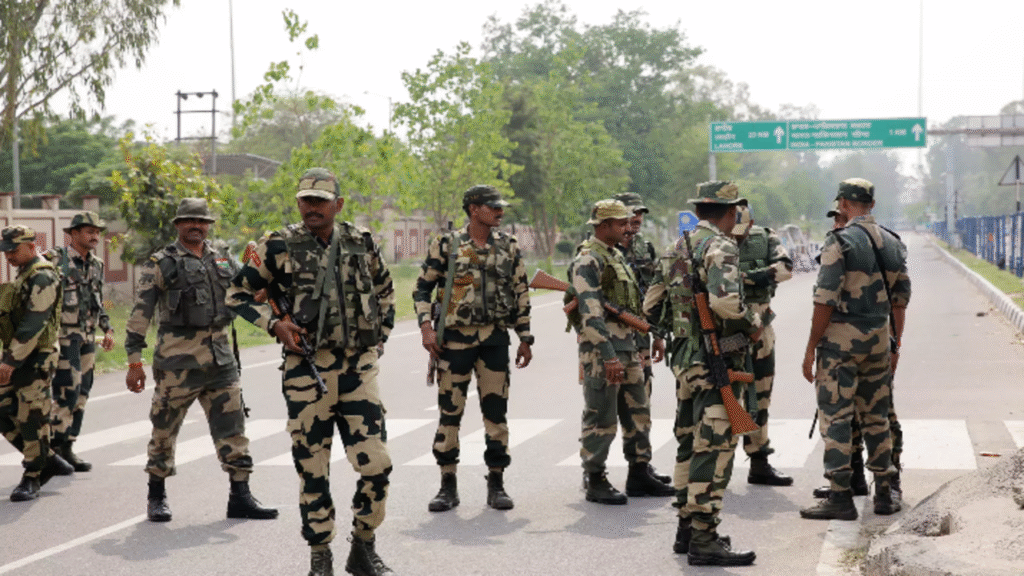
The short-term military risks are significant, with both India and Pakistan on high alert. Indian forces have been directed to give a firm response to any further ceasefire breaches along the Line of Control (LoC) and the international border. This assertive stance indicates a readiness to counter any aggression, potentially leading to further military engagements.
Recent Military Actions: The Indian missiles targeted strategic locations in Pakistan, including the Nur Khan air base in Rawalpindi, Murid air base in Chakwal, and Rafiqui air base in the Jhang district of eastern Punjab province.
Impact on Counter-terrorism Operations
The ceasefire violation and subsequent military actions have implications for counter-terrorism operations in the region. The heightened tensions could divert resources away from counter-terrorism efforts, potentially emboldening terrorist organizations.
“The situation is precarious, and any further escalation could have severe consequences for regional security,” said a senior defense analyst.
Nuclear Dimension Concerns
The nuclear dimension adds a layer of complexity to the situation, raising concerns about the potential for a larger conflict. Both India and Pakistan possess nuclear capabilities, making it imperative to avoid further escalation.
| Aspect | India’s Stance | Pakistan’s Stance |
|---|---|---|
| Military Response | Firm response to ceasefire violations | Condemnation of Indian actions |
| Counter-terrorism | Continued operations against terrorist groups | Allegations of Indian aggression |
| Nuclear Dimension | Restraint in the face of provocation | Assertions of defensive nuclear capability |
The strategic implications of the recent ceasefire violation between India and Pakistan underscore the need for diplomatic efforts to de-escalate tensions and maintain regional security.
Media Coverage and Public Sentiment
As tensions rise between India and Pakistan, media narratives are playing a crucial role in shaping public sentiment. The recent ceasefire violation has been extensively covered by both Indian and Pakistani media, with each side presenting its own version of events.
Indian Media Narratives
Indian media outlets have been actively reporting on the ceasefire violation, often citing official statements from the Indian government. The coverage has been largely focused on Pakistan’s alleged aggression and India’s measured response.
- Highlighting the role of the Indian military in countering Pakistani aggression
- Citing statements from government officials condemning Pakistan’s actions
Pakistani Press Coverage
Pakistani media, on the other hand, has portrayed India’s actions as provocative, emphasizing the need for restraint. Pakistani Prime Minister Shehbaz Sharif’s statement condemning Indian strikes as an “act of war” has been widely covered.
“Pakistan will not be intimidated by India’s aggressive actions,” said a statement from the Pakistani government.
International Media Perspective
The international media has provided a more nuanced view, often analyzing the historical context and geopolitical implications of the ceasefire violation. Outlets have noted the mediation efforts by the US and the potential for escalation.
Social Media Reactions
Social media platforms have seen a surge in reactions, with users from both countries expressing their opinions on the ceasefire violation. The public sentiment is mixed, reflecting the complexity of the issue.
Key trends on social media include:
- Criticism of the government’s handling of the situation
- Calls for peace and restraint
- Expressions of national pride and solidarity
The media coverage and public sentiment surrounding the India-Pakistan ceasefire violation underscore the need for continued diplomatic efforts to resolve the conflict.
Expert Analysis on Escalation Potential
The latest incident along the Line of Control has raised concerns among experts about the potential for increased hostilities between India and Pakistan. The ceasefire agreement between the two nations, mediated by the US, has been violated, sparking a debate on the implications of such actions.
Military Analysts’ Perspectives
Military analysts believe that the recent ceasefire violation is a significant escalation. “The situation is volatile, and both sides are on high alert,” said a senior military analyst. The analysts are closely monitoring the military operations along the border and the statements from the Indian DGMO.
Diplomatic Experts’ Opinions
Diplomatic experts are urging restraint, citing the need for diplomatic channels to remain open. “The role of international mediators, like the US, is crucial in de-escalating the situation,” noted a diplomatic expert. The US President’s comments on the situation, expressing alarm over the worsening scenario, have been seen as a significant intervention.
Historical Precedents for De-escalation
Historical precedents suggest that timely diplomatic intervention can prevent further escalation. For instance, past ceasefire agreements have been successfully maintained through sustained dialogue and mutual understanding.
“Ceasefire agreements between India and Pakistan have historically been fragile, but with careful diplomacy, they can be sustained,”
The current situation underscores the need for continued diplomatic efforts to prevent further escalation. By understanding the perspectives of military analysts and diplomatic experts, and drawing on historical precedents, it’s possible to navigate this complex situation towards a more peaceful resolution.
Conclusion: Prospects for Restoring Peace Along the Border
The recent ceasefire agreement between India and Pakistan, mediated by the US, has brought a glimmer of hope for restoring peace along the border. Foreign Secretary Vikram Misri announced that both sides agreed to “stop all firing and military action from land, air, and sea” starting at 5 p.m. local time, marking a significant step towards de-escalation.
The prospects for peace remain uncertain, with a fragile calm prevailing along the Line of Control. Sustained diplomatic efforts are crucial to maintaining this fragile peace and preventing future violations. The international community’s continued engagement will be vital in supporting a lasting resolution to the conflict.
Restoring peace along the border will require persistent efforts from both India and Pakistan, as well as the global community. The India-Pakistan ceasefire agreement is a positive step, but its success depends on the commitment of both nations to adhere to the terms and work towards a more permanent solution.
FAQ
What is a ceasefire, and what is its purpose?
A ceasefire is an agreement between warring parties to stop military operations. Its purpose is to create a temporary or permanent peace, allowing for diplomatic efforts to resolve the conflict.
What was the recent ceasefire agreement between India and Pakistan?
The recent ceasefire agreement was announced after mediation efforts by the US, with both countries agreeing to stop all military action from land, air, and sea.
How did Pakistan violate the ceasefire agreement?
Pakistan violated the ceasefire agreement within hours by conducting drone strikes across the Line of Control, prompting a response from Indian forces.
What was the Indian response to Pakistan’s ceasefire violation?
Indian forces retaliated against Pakistan’s violation, with the Indian DGMO stating that Indian forces were directed to give a firm response to any further ceasefire breaches.
What are the implications of the Indus Waters Treaty crisis?
The Indus Waters Treaty crisis has significant implications for water rights and the management of the Chenab river, with India’s decision to put the treaty in abeyance after the Pahalgam attack.
What is the historical context of ceasefire agreements between India and Pakistan?
Ceasefire agreements between India and Pakistan date back to the Kashmir dispute, with various agreements being signed over the years, including the recent one mediated by the US.
What are the casualties and damage assessment from the current ceasefire violations?
The current ceasefire violations have resulted in casualties and damage to infrastructure and property, with military personnel and civilians in border regions being affected.
What are the official statements from both India and Pakistan on the ceasefire violation?
The Indian government has accused Pakistan of violating the truce, while Pakistan has denied the allegations, with ongoing military communications between the DGMOs of both nations.
How has the international community reacted to the renewed hostilities?
The international community, including the United Nations, US, and other Western powers, has issued statements, with the US playing a key role in mediating the ceasefire.
What are the strategic implications of the ceasefire violation for regional security?
The ceasefire violation has significant strategic implications, including short-term military risks, impact on counter-terrorism operations, and nuclear dimension concerns.
What are the prospects for restoring peace along the border?
The prospects for restoring peace are uncertain, with both sides having agreed to a ceasefire, and sustained diplomatic efforts required to maintain the fragile peace.