































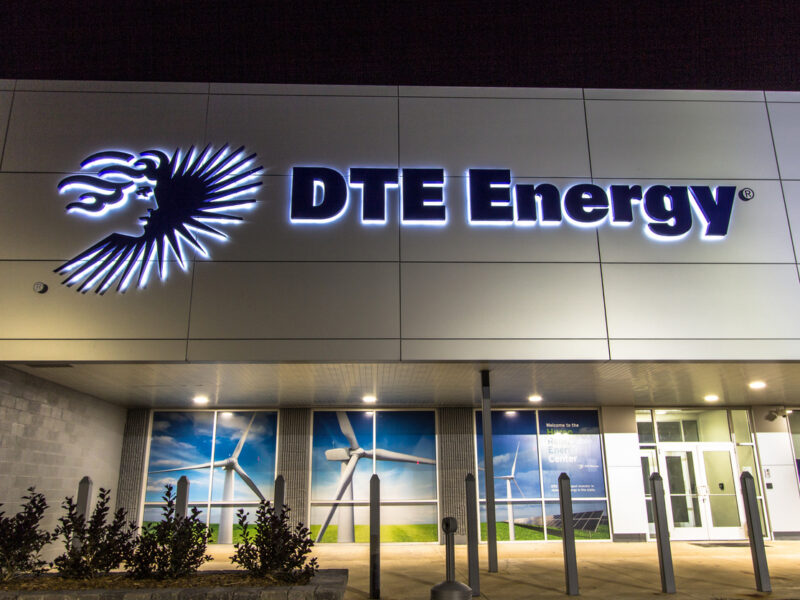
Residential customers of DTE Energy are bracing for a potential 11% increase in their bills due to a recent rate hike proposal. The utility company has filed paperwork with state regulators, seeking $574 million from customers.


This significant change is part of a broader trend in Michigan’s utility landscape, with the proposed hike being one of the largest in recent decades. If approved, the rate increase would have a substantial impact on residential customers, making it essential to understand the implications.
Key Takeaways
- The proposed rate hike could increase residential bills by 11%.
- DTE Energy is seeking $574 million from customers.
- The hike is one of the largest in Michigan’s recent history.
- Residential customers will be significantly impacted if the proposal is approved.
- The rate change is part of a broader trend in Michigan’s utility sector.
The Proposed Rate Increase: Breaking Down the Numbers
The recent filing by DTE Energy with the Michigan Public Service Commission has brought the proposed 11% rate hike into the spotlight. This significant change is part of DTE Energy’s effort to adjust its rates to meet growing operational demands and infrastructure investments.
Overview of the 11% Rate Hike Proposal
DTE Energy’s proposal involves a substantial $574 million rate increase, marking one of the largest hikes in recent decades. This move is aimed at supporting the company’s infrastructure development and transition to renewable energy sources. The proposed increase is expected to impact residential customers, potentially altering their monthly energy bills.
Timeline for Implementation
The implementation timeline for the proposed rate increase is subject to review by the Michigan Public Service Commission. Typically, such proposals undergo a thorough examination, including public hearings and comment periods, before a decision is made. The expected timeline for the decision is crucial for DTE Energy’s planning and for customers to prepare for potential changes in their energy costs.
How the $574 Million Would Be Allocated
The $574 million rate increase is planned to be allocated across various sectors, primarily focusing on infrastructure investments, renewable energy transition, and operational expenses. The breakdown is as follows:
| Category | Allocation Amount | Percentage of Total |
|---|---|---|
| Infrastructure Investments | $250 million | 43.5% |
| Renewable Energy Transition | $200 million | 34.8% |
| Operational Expenses | $124 million | 21.7% |
This allocation reflects DTE Energy’s strategic priorities, emphasizing both the modernization of its infrastructure and its commitment to renewable energy.
DTE Seeks $574M Rate Increase—Second Largest in Decades
DTE Energy’s recent proposal for a $574 million rate increase marks one of the most significant hikes in recent history. This substantial increase is the second-largest request DTE has made in decades, with the largest being a $622 million ask in 2023.
Historical Context of DTE Rate Increases
DTE Energy has a history of requesting rate increases to support infrastructure investments and grid modernization. The current proposal comes after a $217 million increase was granted in January, just 395 days ago. This frequent need for rate hikes underscores the ongoing efforts to upgrade Michigan’s energy infrastructure.
The historical context shows that DTE’s rate increase requests have been a regular occurrence, driven by the need for infrastructure upgrades and the transition to renewable energy sources.
Comparison to Previous Major Rate Hikes
The $574 million rate increase is notable not only for its size but also for its proximity to the previous rate hike. It is the second-largest increase in decades, following closely behind the $622 million request made in 2023. This comparison highlights the escalating costs associated with energy infrastructure and renewable energy integration.
Previous major rate hikes were primarily driven by infrastructure investments. However, the current proposal also emphasizes the costs associated with transitioning to renewable energy sources and enhancing grid resilience.
Why This Increase Stands Out
This rate increase stands out due to its magnitude and the short interval since the last hike. The cumulative effect of these increases on Michigan residential customers is significant, raising concerns about the rising cost of utility bills.
The proposal underscores the challenges faced by utility companies in balancing the need for infrastructure investments with the potential burden on consumers. As DTE Energy moves forward with its proposal, the impact on Michigan residents will be closely monitored.
Impact on Michigan Residential Customers
Michigan residential customers are bracing for a substantial increase in their energy bills due to DTE’s proposed rate hike. The dte electric bill hike is expected to have a significant impact on households across the state.
Average Monthly Bill Changes
The typical customer can expect to pay around $13.50 more each month starting in early 2026. This increase is part of a broader residential electricity price increase trend that has been observed in recent years.

Different Customer Categories and Their Expected Increases
Different customer categories will experience varying levels of impact from the rate hike. While the average increase is $13.50, certain households may face higher or lower increases depending on their energy consumption patterns.
| Customer Category | Average Monthly Increase | Cumulative Increase |
|---|---|---|
| Low-Income Households | $10-$15 | 15%-20% |
| Average Households | $13.50 | 12%-15% |
| High-Usage Households | $20-$25 | 18%-22% |
Cumulative Effect with Recent Previous Increases
The proposed rate hike is not an isolated event; it follows a series of recent increases. The cumulative effect of these increases will be felt deeply by Michigan households, potentially leading to an electric bill cost surge that could strain household budgets.
Economic Impact on Households
The economic impact on households will be significant, with many families facing difficult choices between energy expenses and other essential costs. Activists argue that the increase will disproportionately affect the most vulnerable DTE customers.
DTE’s Justification for the Rate Increase
DTE Energy’s justification for the proposed 11% rate hike is multifaceted, focusing on grid modernization and renewable energy integration. The company asserts that the increase is necessary to continue making progress in improving grid reliability and transitioning to cleaner energy sources.
Infrastructure Investments and Grid Modernization
A significant portion of the rate increase is attributed to infrastructure investments aimed at enhancing grid reliability and system resiliency. DTE Energy is committed to modernizing its grid to meet the evolving needs of its customers and to ensure a robust energy supply.
Key infrastructure investments include:
- Upgrading aging infrastructure to prevent power outages
- Implementing smart grid technologies to enhance efficiency
- Enhancing cybersecurity measures to protect the grid
Renewable Energy Transition Costs
DTE Energy is also investing heavily in the transition to renewable energy sources. This transition is a critical component of the company’s strategy to reduce its environmental footprint and comply with Michigan’s renewable portfolio standards.
“Investing in renewable energy is not just a necessity for the environment; it’s also an economic imperative for Michigan’s future.” –
DTE Energy spokesperson
The costs associated with integrating renewable energy sources into the grid are significant and are factored into the proposed rate increase.
| Category | Investment | Percentage of Total |
|---|---|---|
| Infrastructure | $200 million | 35% |
| Renewable Energy | $150 million | 26% |
| Operating Expenses | $100 million | 17% |
| Shareholder Returns | $124 million | 22% |
Operating Expense Increases
DTE Energy has also cited increases in operating expenses as a justification for the rate hike. These expenses include labor costs, maintenance, and other operational expenditures necessary to ensure the reliable delivery of energy to customers.
Shareholder Returns and Financial Considerations
The proposed rate increase also aims to ensure that DTE Energy can provide a reasonable return to its shareholders. This is crucial for maintaining the financial health of the company and attracting investment for future projects.
The balance between investing in infrastructure and returning value to shareholders is a key consideration in the rate increase proposal.
Regulatory Process and Timeline
Understanding the regulatory process is key to grasping how DTE’s rate increase proposal will be handled. The process involves several stakeholders and steps, ultimately leading to a decision by the Michigan Public Service Commission (MPSC).
Michigan Public Service Commission’s Role
The MPSC plays a vital role in regulating public utilities in Michigan, including DTE Energy. The commission is responsible for reviewing DTE’s rate increase proposal to ensure it is justified and reasonable. This involves analyzing DTE’s financial data, infrastructure investments, and other factors that impact the proposed rate hike. The MPSC has the authority to approve, deny, or modify the proposed rate increase.
The commission’s review process is designed to protect consumers while ensuring that DTE can continue to provide reliable service. This balance is crucial in determining the fate of the proposed rate increase.
Public Hearings and Comment Periods
As part of the regulatory process, the MPSC will hold public hearings and comment periods. These forums allow consumers, stakeholders, and other interested parties to provide feedback on the proposed rate increase. Public hearings offer a platform for individuals to express their concerns or support for the proposal.
The comment period allows for written submissions, providing an opportunity for those who cannot attend public hearings to still participate in the process. The MPSC considers all comments and feedback when making its decision.
Potential Timeline for Decision
DTE filed its rate increase application on April 24, 2025. The MPSC has 10 months from the filing date to issue an order. This timeline gives the commission sufficient time to review the proposal thoroughly, consider stakeholder feedback, and make an informed decision.
The anticipated decision timeline is crucial for DTE and its customers, as it will determine when and if the rate increase will take effect. Stakeholders are advised to stay informed about the progress of the rate case through the MPSC’s updates.
Consumer Advocacy Responses
The proposed 11% rate hike by DTE Energy has sparked significant backlash from consumer advocacy groups. These organizations argue that the increase will disproportionately affect low-income households and those already struggling with high energy costs.
Opposition from Consumer Groups
Consumer and environmental watchdogs are at the forefront of the opposition, criticizing DTE Energy for proposing some of the highest energy costs in the Midwest while providing poor reliability. Groups such as the Michigan Environmental Council and the Citizens Utility Board of Michigan have voiced their concerns, emphasizing the need for more affordable and reliable energy solutions.
Arguments Against the Rate Increase
The main argument against the rate increase is that it will further burden households that are already struggling to pay their energy bills. Advocacy groups point out that DTE Energy’s customers are among the most vulnerable to rate hikes due to the company’s history of high prices and relatively poor service reliability. They argue that alternative solutions, such as improving energy efficiency or exploring renewable energy sources, could mitigate the need for such a significant rate increase.
Alternative Proposals from Stakeholders
Stakeholders, including consumer advocacy groups, have suggested alternative proposals that could achieve DTE Energy’s financial needs without placing such a heavy burden on consumers. These include implementing more aggressive energy efficiency programs, increasing the use of renewable energy sources, and revising the rate structure to be more equitable for low-income households.
How Consumers Can Make Their Voices Heard
Consumers can participate in the regulatory process by attending public hearings and submitting comments to the Michigan Public Service Commission. Advocacy groups are also encouraging consumers to contact their representatives and express their concerns about the proposed rate hike. By making their voices heard, consumers can influence the final decision on DTE Energy’s rate increase proposal.
Comparing DTE’s Rates to Other Michigan Utilities
A comparison of DTE’s rates with other major Michigan utilities reveals interesting insights into the state’s energy pricing landscape. One of the primary utilities to compare DTE with is Consumers Energy, another major energy provider in Michigan.
DTE vs. Consumers Energy Rate Structures
DTE Energy and Consumers Energy have different rate structures that affect how much customers pay for their energy. DTE’s rates are generally higher due to its larger service area and infrastructure costs. Consumers Energy, on the other hand, has a slightly different pricing model that can result in lower costs for some customers.
Michigan Utility Rates Compared to National Averages
Michigan utility rates, including those of DTE and Consumers Energy, are often compared to national averages to gauge their competitiveness. Currently, Michigan’s average electricity rate is slightly higher than the national average. This is due to various factors, including infrastructure costs and regulatory fees.
| Utility Provider | Average Rate (cents/kWh) | Comparison to National Average |
|---|---|---|
| DTE Energy | 14.5 | Higher |
| Consumers Energy | 13.8 | Higher |
| National Average | 13.2 | – |
Recent Rate Increases by Other Utilities
Other utilities in Michigan have also seen rate increases in recent years. For instance, Consumers Energy has implemented rate hikes to cover infrastructure and renewable energy costs. Understanding these changes helps consumers anticipate future energy costs.
By comparing DTE’s rates to other Michigan utilities and national averages, consumers can better understand their energy costs and make informed decisions about their energy usage.
How Customers Can Manage Higher Energy Costs
In light of the proposed 11% rate hike, DTE customers are looking for practical ways to lower their energy bills. Managing higher energy costs requires a combination of understanding available assistance programs, adopting energy-efficient practices, and exploring alternative energy options.
Energy Efficiency Programs and Rebates
DTE offers various energy efficiency programs designed to help customers reduce their energy consumption. These programs include incentives for purchasing energy-efficient appliances, home weatherization, and lighting upgrades. By participating in these programs, customers can not only reduce their energy usage but also receive rebates that help offset the costs of energy-efficient upgrades.
Payment Assistance Programs
For customers struggling to pay their energy bills, DTE provides payment assistance programs. These programs offer flexible payment plans and financial assistance to eligible customers. Additionally, DTE partners with various organizations to provide resources for low-income households, helping them manage their energy costs more effectively.
Alternative Energy Options for Consumers
Exploring alternative energy options is another way customers can manage their energy costs. DTE offers renewable energy plans that allow customers to support clean energy sources. Customers can also consider investing in solar panels or other renewable energy systems for their homes, potentially reducing their reliance on traditional energy sources and lowering their bills.
Practical Tips for Reducing Energy Consumption
Simple changes in daily habits can significantly impact energy consumption. Customers can start by using energy-efficient lighting, turning off appliances when not in use, and adjusting their thermostat settings. Additionally, regular maintenance of heating and cooling systems can improve efficiency and reduce energy waste. By implementing these practical tips, customers can lower their energy usage and mitigate the impact of the proposed rate hike.
By taking advantage of energy efficiency programs, payment assistance programs, and alternative energy options, DTE customers can better manage their energy costs. Implementing practical tips for reducing energy consumption can further help in lowering energy bills.
Conclusion: The Future of Energy Costs in Michigan
The outcome of DTE Energy’s proposed 11% rate hike will significantly impact the future of energy costs in Michigan. As the Michigan Public Service Commission reviews the proposal, consumer advocacy groups will continue to play a crucial role in shaping the discussion around utility rates.
With michigan utility bills rising, DTE energy customer rates are under scrutiny. The future of energy costs in Michigan hangs in the balance, as stakeholders weigh the need for infrastructure investments against the burden on residential customers.
As the rate case unfolds, it is clear that the decisions made will have far-reaching consequences for Michigan residents and businesses, ultimately shaping the state’s energy landscape and influencing the future of energy costs.
FAQ
What is DTE Energy’s proposed rate hike?
DTE Energy has proposed an 11% rate hike, which would increase residential bills and seek $574 million from customers.
How will the $574 million rate increase be allocated?
The $574 million rate increase will be allocated towards infrastructure investments, renewable energy transition costs, operating expense increases, and shareholder returns.
How does DTE’s proposed rate hike compare to previous rate increases?
DTE’s proposed rate hike is the second-largest electric rate increase in decades, totaling $574 million.
What is the expected impact on average monthly bills for Michigan residential customers?
The proposed rate hike is expected to increase average monthly bills for Michigan residential customers, with the exact amount depending on individual energy consumption.
How does DTE’s rate compare to other Michigan utilities like Consumers Energy?
DTE’s rates can be compared to other Michigan utilities like Consumers Energy to understand the differences in rate structures and how they impact customers.
What is the regulatory process for approving DTE’s rate hike proposal?
The Michigan Public Service Commission will review DTE’s rate hike proposal, hold public hearings, and consider comments from stakeholders before making a decision.
How can customers manage higher energy costs due to the rate hike?
Customers can manage higher energy costs by taking advantage of energy efficiency programs, payment assistance programs, and alternative energy options, as well as reducing their energy consumption.
What are the arguments against DTE’s proposed rate hike?
Consumer advocacy groups have expressed opposition to the rate hike, citing concerns about the impact on low-income households and the need for alternative solutions.
Can customers provide input on DTE’s rate hike proposal?
Yes, customers can provide input on DTE’s rate hike proposal by participating in public hearings and submitting comments to the Michigan Public Service Commission.
How do Michigan utility rates compare to national averages?
Michigan utility rates, including DTE’s rates, can be compared to national averages to understand how they stack up against other states.
What are the potential timelines for a decision on DTE’s rate hike proposal?
The Michigan Public Service Commission is expected to review DTE’s rate hike proposal and make a decision within a certain timeframe, although the exact timeline may vary.